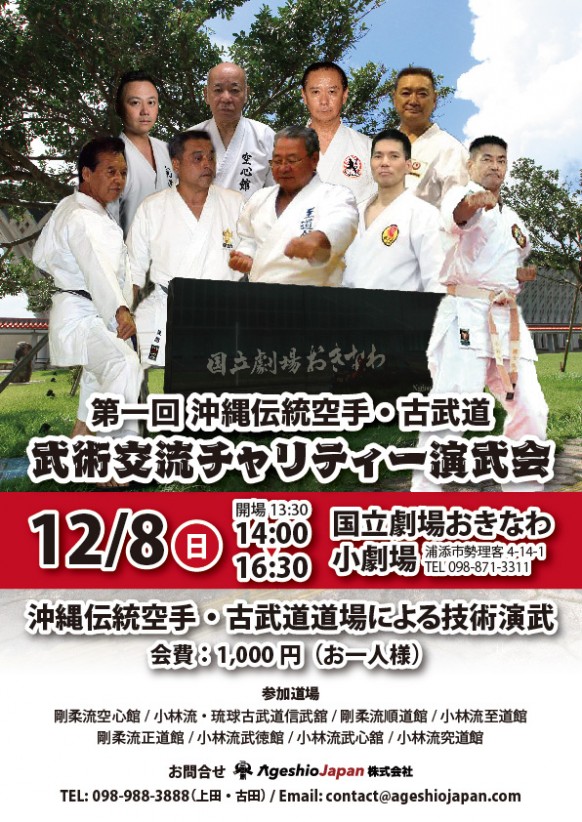
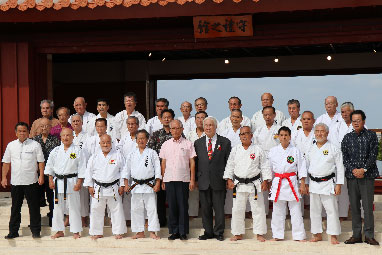
2019年12月8日(日)に伝統空手模合の「三木会」で、第一回の武術交流チャリティー演武会を国立劇場おきなわで開催いたします。流派の垣根を超えた、伝統空手道場間での技術交流を目的にした町道場主体のイベントです。当日は県内で活躍する若手の空手家と、海外での指導歴も豊富な先生方の道場が8道場参加いたしますので、是非お越し頂ければ幸いです。
2019年12月8日(日)に伝統空手模合の「三木会」で、第一回の武術交流チャリティー演武会を国立劇場おきなわで開催いたします。流派の垣根を超えた、伝統空手道場間での技術交流を目的にした町道場主体のイベントです。当日は県内で活躍する若手の空手家と、海外での指導歴も豊富な先生方の道場が8道場参加いたしますので、是非お越し頂ければ幸いです。
Today I’d like to blog about the Okinawa Karate Kaikan. Now for those of you who have visited Okinawa before may have had the pleasure of visiting the Okinawa Karate Kaikan so know what is has to offer. However, there may be some who did visit Okinawa yet didn’t have the chance to visit. Please be sure that on your next visit, or even first visit, that you stop by.
I’ve been to the Okinawa Karate Kaikan several times, mainly when conducting our Karate History Tours. It is located in Tomigusuku City, which is about a 15-minute drive from central Naha. It’s a really interesting place. The dojo located in the main building has 4 courts for competition use.
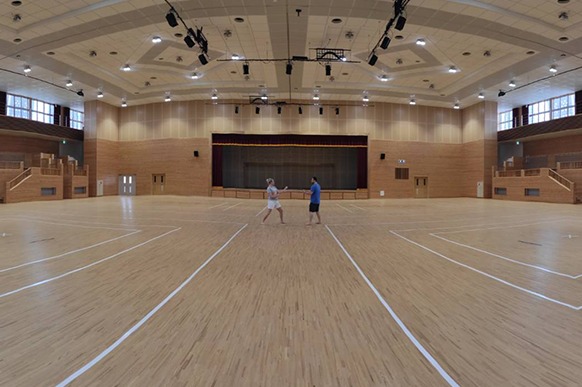
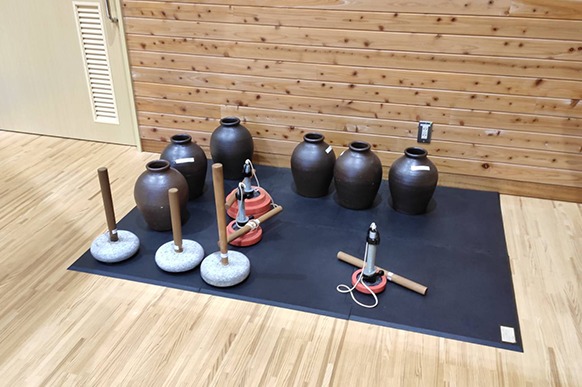
There is also a training room with lots of equipment including 3 makiwara posts of different height and 3 punching bags of different weight.
Here is a video of a group from Poland that came to Okinawa in January, 2020. The group is from the “Łódzka Akademia Karate Tradycyjnego” located in Łódź, Poland and they stayed for 11 days. It is basically a video on the dojo training they received in Okinawa. We organized their dojo training sessions, a Karate History Tour, and more for them. In the first minute of the video, you will see the group training at the Okinawa Karate Kaikan’s training room. Yup, the training room is big enough for group training, and there were more than 20 people in the group.
https://youtu.be/rM4WgFFyRSU
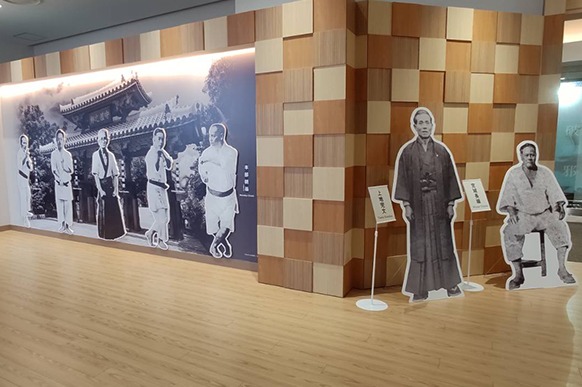
The reference room which contains a lot of information on Karate and its history is located in the adjacent building. There is an entrance fee that is reasonable, and not only do you get to read about Karate’s history but you also get to watch 2 short films about it. There is however a lot to read so be prepared to spend some time in there, taking advantage of the entrance fee.
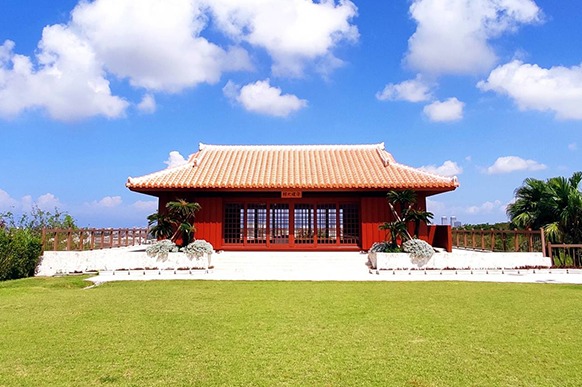
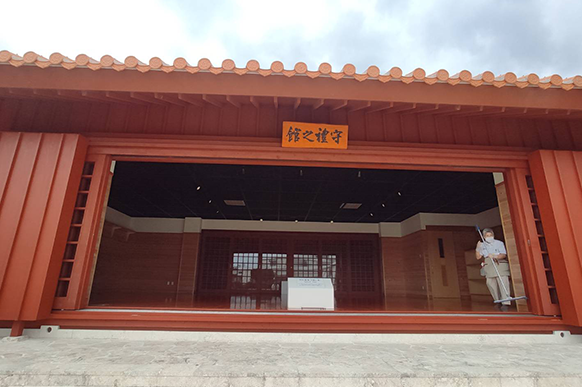
There is a big open space in front of the building with the reference room, and that is where you will find the “Special Dojo” or “Shurei Hall”. It’s open only for special use and no one is allowed inside unless you are a special guest or the cleaning lady.
If you want to find out more in depth information on the Okinawa Karate Kaikan, the please click here .
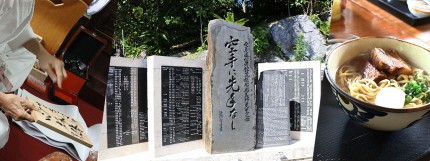
I had mentioned that I had been to the Okinawa Karate Kaikan on our Karate History Tours. If you haven’t been on the tour and are planning a trip to Okinawa, then it’s worth going on because not only would you have the chance to visit the Kaikan, but you would also be able to visit other karate-related places as well. Click here for more details on the tour.
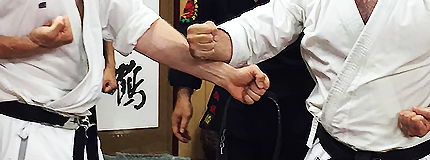
And for those of you who are interested in having some dojo training like the Łódzka Akademia Karate Tradycyjnego from Poland, check out our programs page here and you will find different programs to choose from.
I’d love to write more but then I would run out of ideas for the next blog. If you have any questions or comments, you can contact us through our contact form. Until the next blog, continue to stay safe and well.
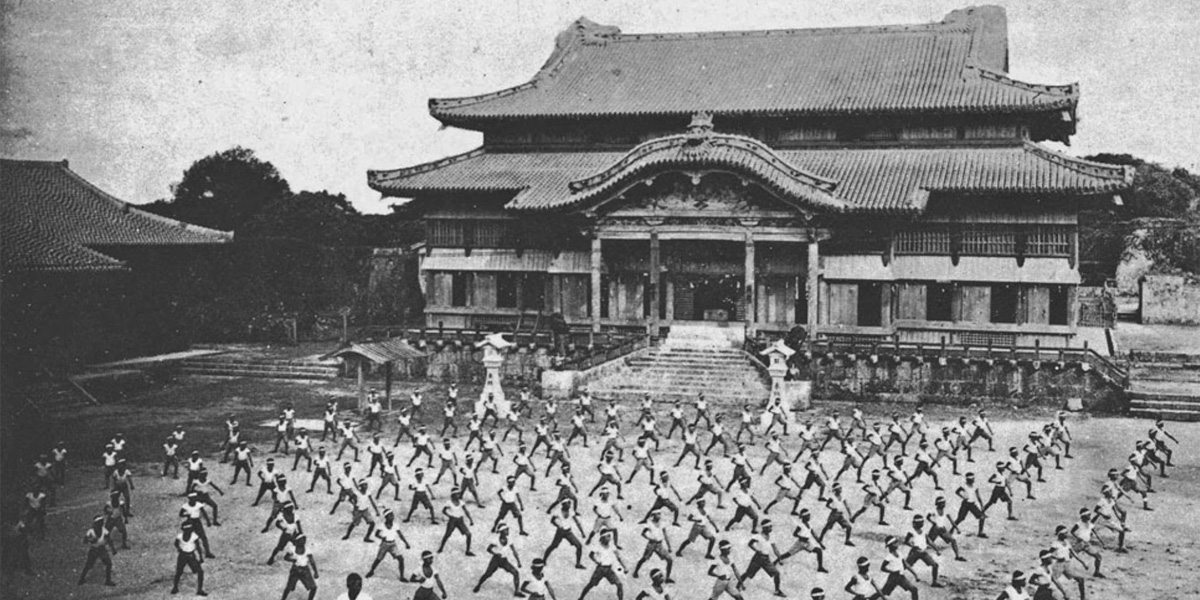




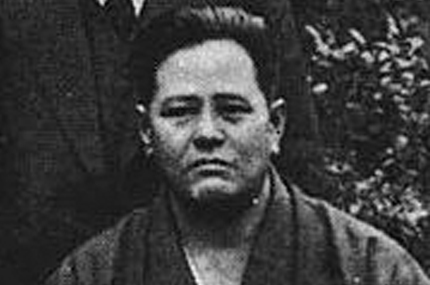
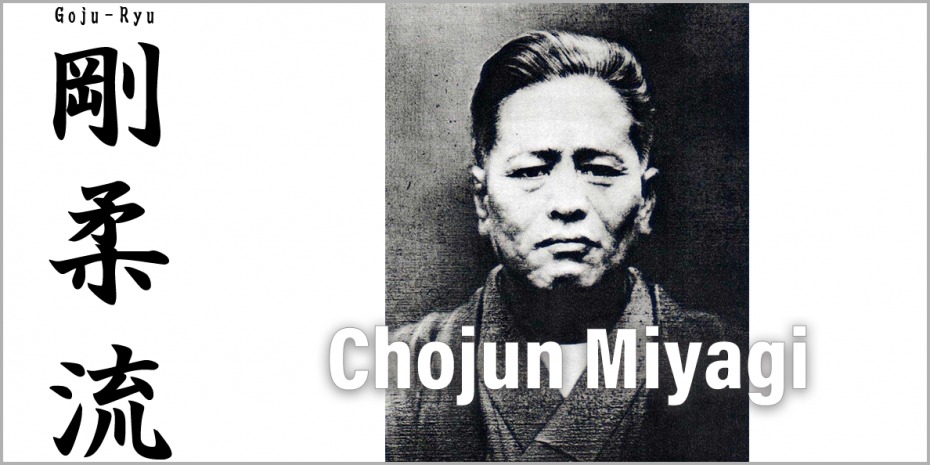
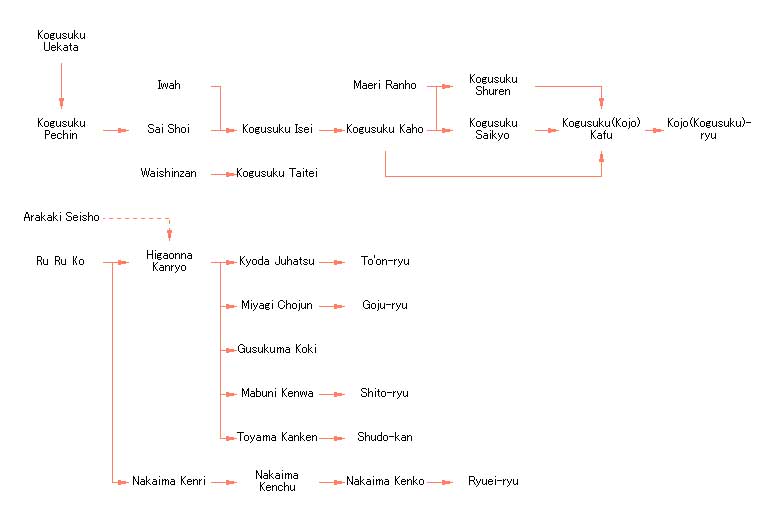
Chojun Miyagi (宮城 長順) is the founder of Goju-ryu(剛柔流) Karate. He was Okinawan martial artist who founded the school of karate by blending Okinawan and Chinese influences. He studied under the Naha-te master Kanryo Higaonna. After Kanryo Higaonna’s death, Chojun Miyagi learned some local Chinese martial arts in China. He traveled to Fujian and Shanghai to train and research southern Chinese Boxing.
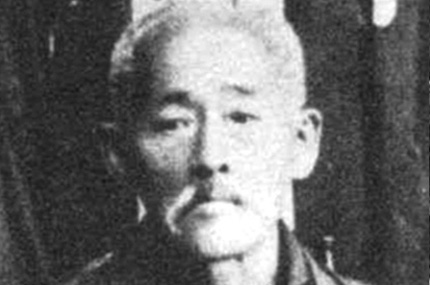
Kanryo Higaonna(東恩納 寛量) also known as the Ryukyuan martial artist who founded a fighting style known at the time as Naha-te. He went to study martial arts in China Fuzhou from 1876 to 1888. He returned to Okinawa with those skills. His student, Chojun Miyagi, would later found Goju-ryu Karate(剛柔流). Several of Kanryo’s students went on to become influential masters of what came to be called karate, He has the greatest influence on masters who include Chojun Miyagi, Kenwa Mabuni, Kyoda Shigehatsu, Koki Shiroma, Higa Seiko, Tsuyoshi Chitose and Gusukuma Shinpan.
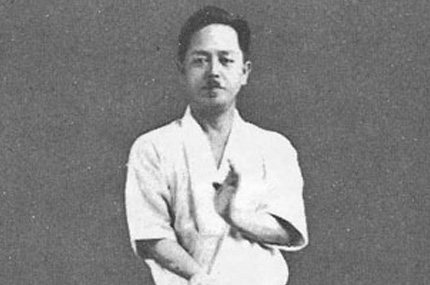
Kenwa Mabuni(摩文仁 賢和) was the founder of Shito-ryu(糸東流). He was one of the first karateka to teach karate on mainland Japan, and was credited for developing this style. Born in Shuri on Okinawa in 1889, he studied and reserched both Shuri-te(首里手) and Naha-te (那覇手) , and began his training in the art of Shuri-Te at the age of 13 under Anko Itosu (糸州 安恒) . After that, he began to learn Naha-Te under Kanryo Higaonna(東恩納 寛量). Mabuni derived the name for Shito-ryu(糸東流) from the first Kanji character in their names, “Shi (糸)” from Ito(su) and “To (東)” from Higashi(onna). Kenwa Mabuni passed away on May 23, 1952.
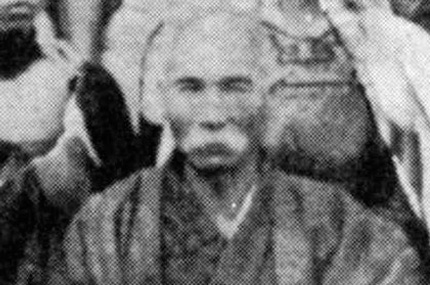
Anko Itosu (糸州 安恒) is considered by many the father of modern karate. He was born in Ishimine, Shuri in 1831. He was a master of Karate that was active in the Ryukyu Kingdom period through the Meiji Period. He made karate accepted as part of the regular physical education curriculum in the school system, and is also known as the first person to start the “modernization” of Karate. He passed away in 1915.
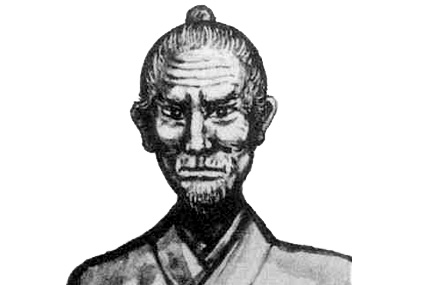
Sokon Matsumura (松村 宗棍) was given the title “Bushi” meaning “warrior” by the Okinawan king in recognition of his abilities and accomplishments in martial arts. Matsumura served as a close advisor and bodyguard to three Ryukyuan kings. This position enabled him to travel widely to places such as Fuchou, Satsuma and the Fukien Shaolin Temple where he studied several forms of Chinese boxing and other fighting styles. His martial arts have been the base of many karate styles, for example, Shorin-ryu, Shotokan, and Shito-ryu. Ultimately, all modern styles of karate that evolved from the Shuri-te lineage can be traced back to the teachings of Bushi Matsumura.
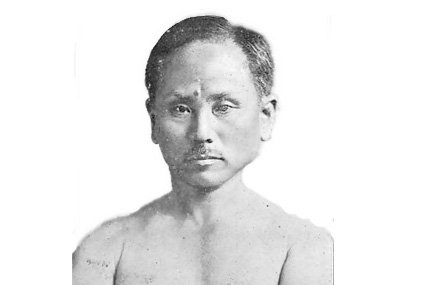
Gichin Funakoshi (船越 義珍) is known as the founder of Shotokan Karate (松涛館), the most widely known style of karate, and is attributed as being the “father of modern karate”. Following the teachings of Anko Itosu and Anko Asato, he went to Tokyo to introduce the Okinawan martial art. He was one of the Okinawan karate masters who introduced karate to mainland Japan in 1922. He taught karate at various Japanese universities and became the honorary head of the Japan Karate Association upon its establishment in 1949. Funakoshi’s famous words “Karate Ni Sente Nashi (there is no first attack in Karate)”.
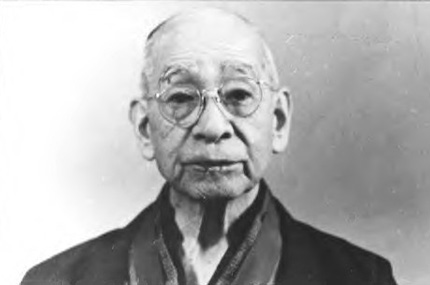
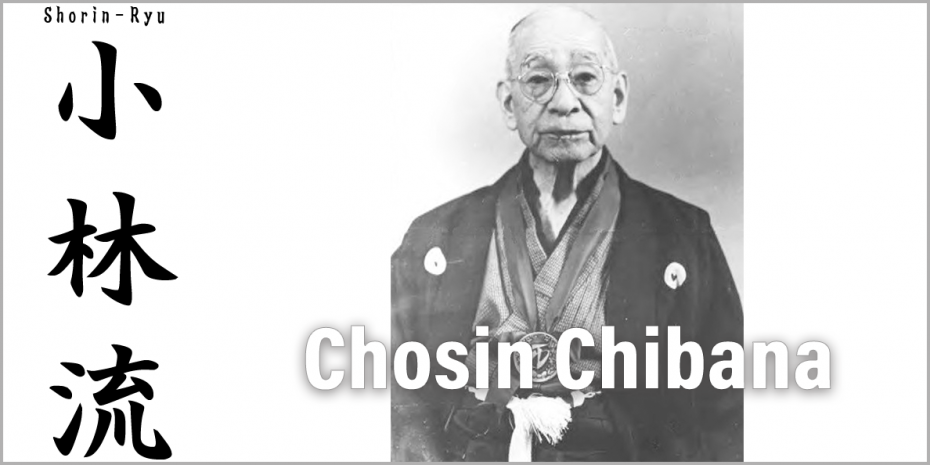
Choshin Chibana (知花 朝信) was an Okinawan martial artist who developed Shorin-ryu (小林流), a karate based on what he had learned from Anko Itosu. In 1928, Chibana Choshin was born on June 5th, 1885 in Shuri. Choshin began his study of martial arts when he was 15 years old. He was the first to establish a Japanese ryu-ha name for an Okinawan Karate style. He taught Karate at the Shuri Police Academy. In 1956, he became the President of the Okinawa Karate Federation. Chibana had received the title of Hanshi (High Master) from the Dai Nippon Butokukai. In 1960, he received the First Sports Award for his overall accomplishments in the study and practice of traditional Okinawan Karate-do.
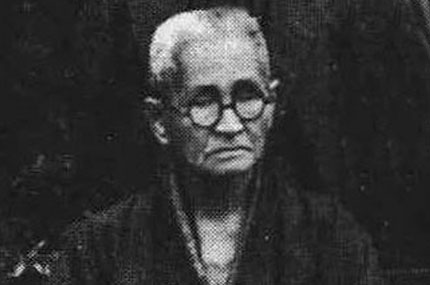
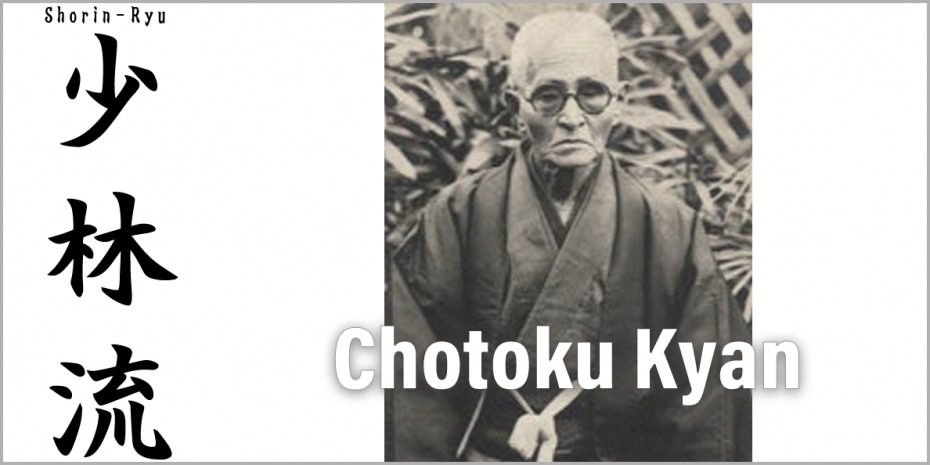
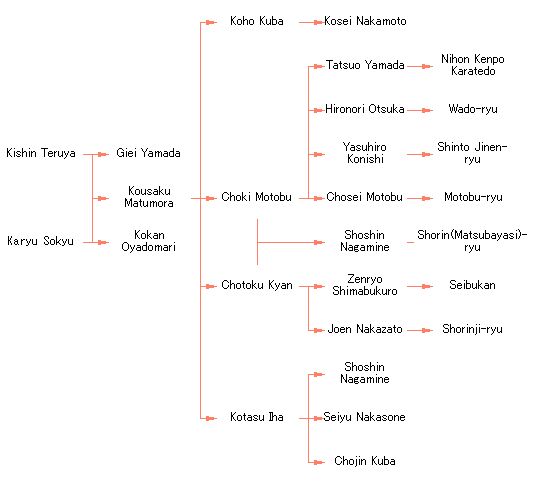
Chotoku Kyan (喜屋武 朝徳) was an Okinawan Karate master who was famous for both his Karate skills and his colorful personal life. He had a large influence on the styles of Karate that would become Shorin-ryu (少林流). From the age of 16, Chotoku studied under Matsumura Sokon for two years. He moved to Tokyo and stayed there for 9 years. After returning to Okinawa, he began studying Tomari-te under Kosaku Matsumora from the Tomari village. While at 30 years of age, he was considered a master of the Karate styles known as Shuri-te and Tomari-te. Kyan was also was responsible for having Karate introduced into the curriculum of the Okinawa Prefectural Agricultural School where he taught.
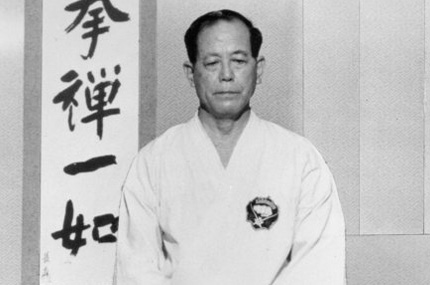
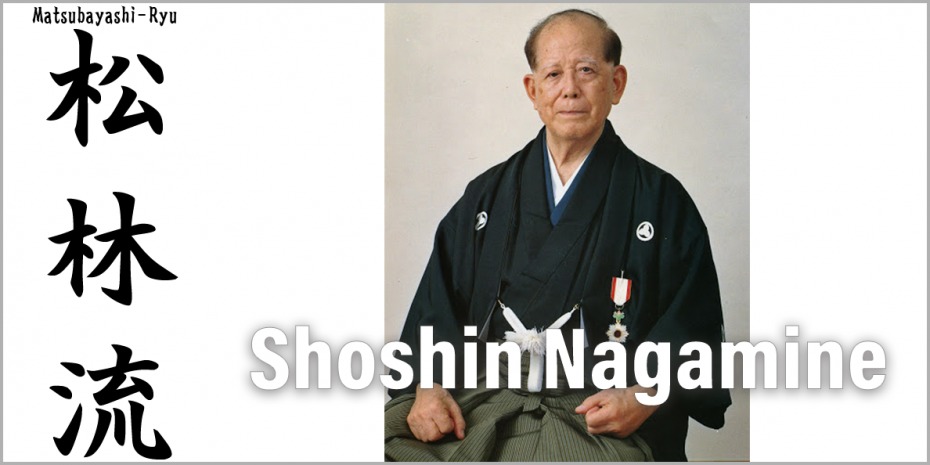
Shoshin Nagamine (長嶺 将真) was a Japanese author from Okinawa as well as a soldier, police officer, and Karate master. He was the founder of the style of Karate Matsubayashi-ryu. Nagamine was born in Naha in 1907. He was born in Tomari, Okinawa. After graduation in March 1928, he began to study martial arts, moving to Shuri and training under Zenryo Shimabukuro (島袋善良) and Ankichi Arakaki. He became the first vice chairman of the Okinawa Karatedo Federation and served as chairman of the Fourth Phase Federation for eight years from 1961 to 1969. In 1977, He organized the World Matsubayashi-ryu (松林) Karatedo Federation.
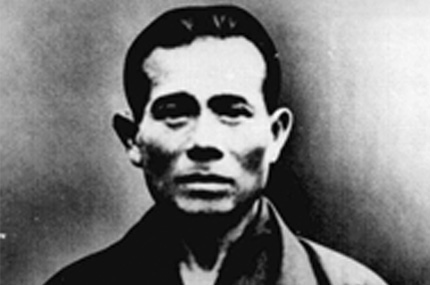
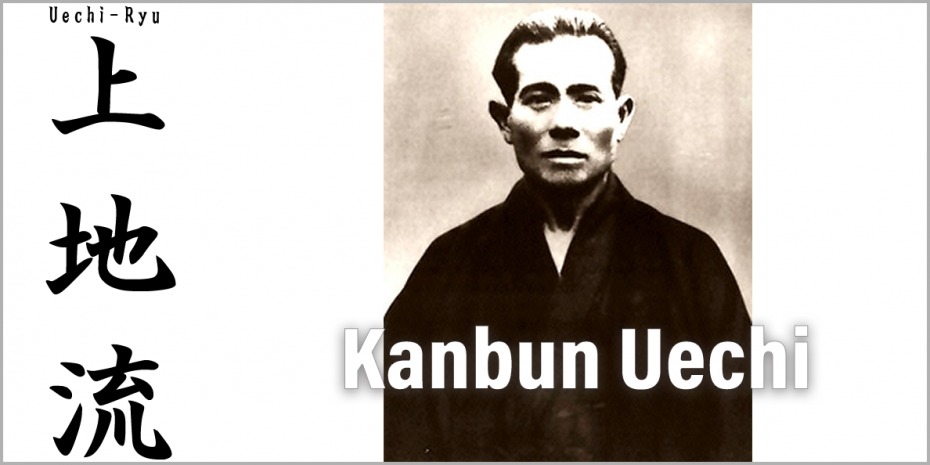
Kanbun Uechi (上地 完文) was the founder of Uechi-ryu, one of the famous Karate styles of Okinawan Karate. Uechi was born in the town of Motobu in northern Okinawa. Uechi took up the study of the Kung Fu system called “Pangai-noon”, under a Chinese master named Shushiwa. Uechi received a certificate of mastery in 1904, and he opened his own dojo in Nansoye, China. After returning to Okinawa, the style he taught was renamed to “Uechi-ryu” Karate in 1940. Uechi-ryu is one of the major styles of Okinawan Karate, and it spread throughout his homeland.
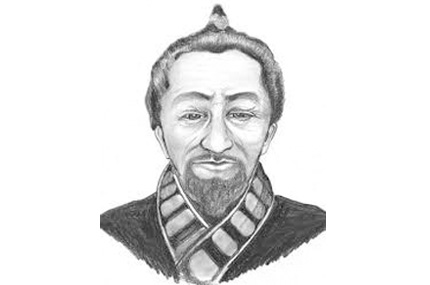
Kosaku Matsumora (松茂良 興作) was a Ryukyu Karate master. He was born in Tomari. He studied and trained Karate in Tomari under Uku Karyu. Matsumora had a very strong sense of justice and he once used his skills to defeat a Satsuma warrior who was terrorizing the citizens of Tomari. Matsumora’s students Choki Motobu and Chotoku Kyan went on to influence next generations.
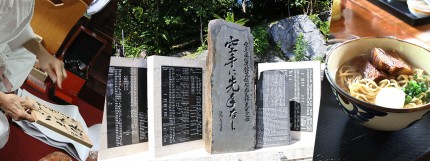
To learn more about the history of Okinawan Karate, please join us on our Karate History Tour, a tour you can experience only in Okinawa. Please click here for more information on our Karate History Tours.
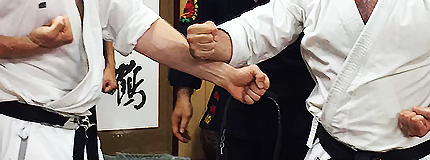
We can arrange a dojo training session or any program based on your requests. Please click here for a list of the many different programs that we have to offer you at Ageshio Japan.
前
次


Okinawan martial arts refers to martial arts, such as karate, tegumi and Okinawan kobudō, which originated among the indigenous people of Okinawa. Due to its central location, Okinawa was influenced by various cultures with a long history of trade and cultural exchange, including Japan, China and Southeast Asia, that greatly influenced the development of martial arts on Okinawa.
We would like to introduce you to five main styles: Goju-ryu, Uechi-ryu, Shorin-ryu (小林流&少林流), and Matsubayashi-ryu. Below you will find a short introduction to each style.
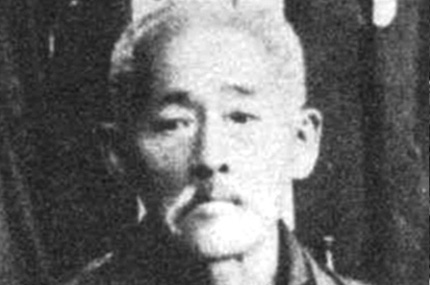
Goju-ryu (剛柔流) is one of the main traditional style of Okinawan Karate, featuring a combination of hard and soft techniques. Kanryo Higaonna (1853-1915) was known as the highest authority of Naha Te. He and his successor Chojun Miyagi (1888-1953) made several basics. Go means hard, refers to closed hand techniques or straight linear attacks, Ju means soft, refers to open hand techniques and circular movements. Goju-ryu incorporates both circular and linear movements into its basic method, combining hard striking attacks such as kicks and close hand punches with softer open hand circular techniques for attacking, blocking, and controlling the opponent, including locks, grappling, takedowns, and throws. Breathing method is also very important.
Please click here for a list of Goju-ryu dojos we offer training at.
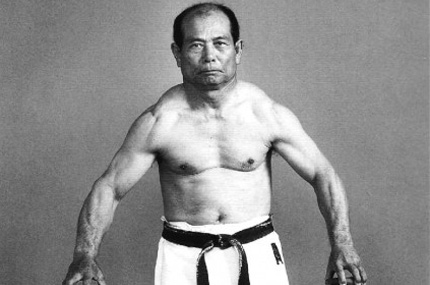
Uechi-ryu (上地流) is a traditional style of Okinawan karate. Uechi-ryu means “Style of Uechi”. Originally called Pangai-noon, which translates to English as “half-hard, half-soft”, the style was renamed Uechi-ryu after the founder of the style, Kanbun Uechi (1877-1948). Uechi-ryu’s connection with Chinese Shorin-ken means the former shares a similar foundation with Naha-Te despite their separate development. Therefore Uechi-ryu is also heavily influenced by the kung fu from Fujian province. Uechi-ryu training styles are focused only on Sanchin training and body conditioning.
Please click here for a list of Goju-ryu dojos we offer training at.
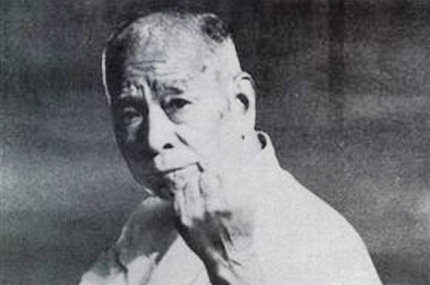
Shorin (小林) -ryu is one of the major modern Okinawa styles of Karate and one of the oldest style. It was named by Choshin Chibana (1885-1969) in 1933, but the system itself is much older. Chosin Chibana was a top student of the great master of Shuri-te, Anko Itosu (1831-1915). The characters Shorin (小林), meaning “small” and “forest” respectively and pronounced “shorin” in Japanese, are also used in the Chinese and Japanese words for Shaolin Kung Fu. Shorin-ryu adjusts elements of the traditional fighting styles of Shuri-Te. Shorin-ryu karate is the swift, fast techniques based on the strategy of evasion and in the same time attacking to sensitive spots of the body with hits.
Please click here for a list of Shorin-ryu dojos we offer training at.
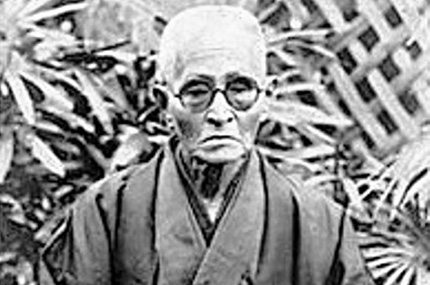
Shorin (少林) -ryu is one of the major Okinawan Karate styles. Chotoku Kyan had a large influence on the styles of Karate that would become Shorin-ryu (少林流). He taught Zenryo Shimabukuro, who studied under Chotoku Kyan for over 10 years. In 1962 Zenryo Shimabukuro built his own Dojo and named it Seibukan, spreading the Okinawan Karate style of Shorin-ryu.
Please click here for a list of Shorin-ryu dojos we offer training at.
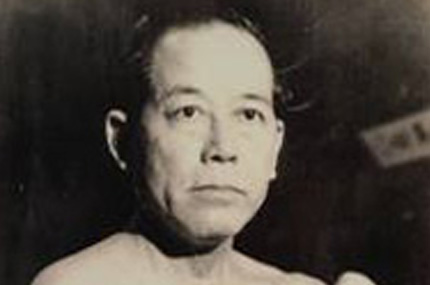
Matsubayashi-ryu (松林流), is a style of Okinawan karate founded by Shoshin Nagamine (1907-1997). Nagamine named his style in honor of the two most important masters that his teachings were influenced by Sokon Matsumura of Shuri-te and Kosaku Matsumora of Tomari-te. He chose to name the school using the first kanji characters from both master’s names Matsu (松) and the style is pronounced in Japanese “Matsubayashi” (松林). Matsubayashi-ryu is one of the main styles of Karate on Okinawa.
Please click here for a list of Shorin-ryu dojos we offer training at.
We can arrange a dojo training session or any program based on your requests. Please click here for a list of the many different programs that we have to offer you at Ageshio Japan.
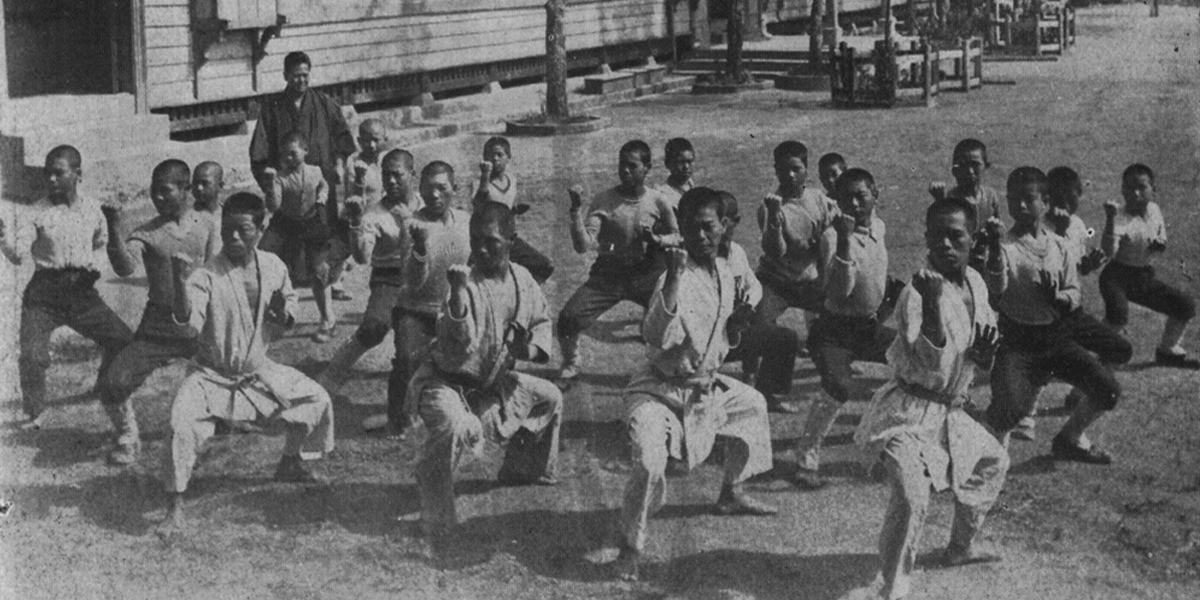

The empty hand of self-defense of the Ryukyu Kingdom was transmitted from China. Seminal martial arts via the Silk Road into China, found their way to Ryukyu. In 1429, the three kingdoms on Okinawa unified to form the Ryukyu Kingdom. When the Ryukyu King came into power in 1477, traning of martial arts was forbidden. Tō-te and Ryukyu Kobudo continued to be taught in secret. The ban training of martial arts continued in 1609 after Okinawa was invaded by the Satsuma Domain of Japan. The ban contributed to the development of Kobudō which uses common household and farming implements as weaponry. The Okinawans combined Chinese martial arts with the existing local variants to form Tō-te (唐手 Tuudii), also sometimes called Okinawa-Te (沖縄手 Uchinaa-dii).
By the 18th century, different types of Te had developed in three different villages–Shuri, Naha and Tomari in different forms. The styles were named Shuri-Te, Naha-Te, and Tomari-Te. Well into the 20th century, the martial arts of Okinawa were generally referred to as te and tii (手) in Japanese and Okinawan for “hand”. Te often varied from one town to another, so to distinguish among the various types of te, the word was often prefaced with its area of origin; for example, Naha-Te, Shuri-Te, or Tomari-Te. Shuri-Te, Naha-Te and Tomari-Te belong to a family of martial arts that were collectively. All these are Karate. Karate (Okinawa-Te) was taught systematically in Japan after the Taisho Era (after 1926).
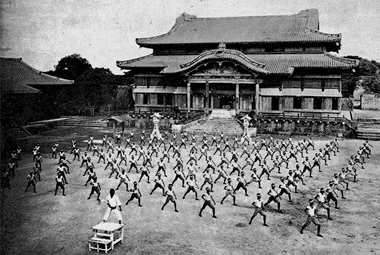
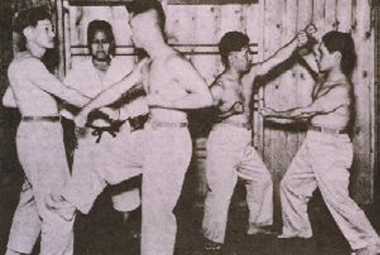
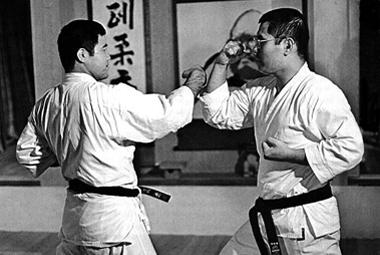
Shuri-Te
Shuri-Te (首里手) is a type of martial art indigenous to the area around Shuri before World War 2. Shuri was the old capital city of the Ryukyu Kingdom.
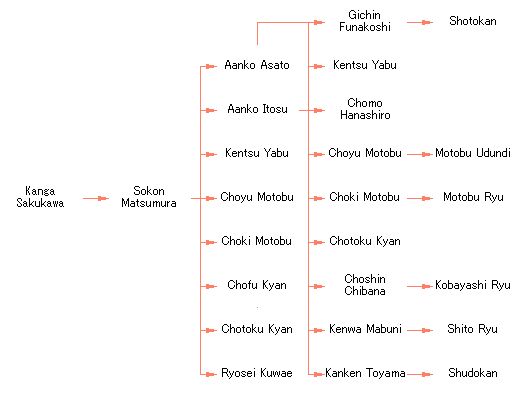
Masters of Shuri-Te
Matsumura Sokon
Itosu Ankō
Asato Anko
Funakoshi Gichin
Motobu Choki
Chibana Choshin
Mabuni Kenwa
Kyan Chotoku
and more.
Naha-Te
Naha-Te
Naha-Te (那覇手) is a type of martial art indigenous to the area around Naha before World War 2. Naha was the old commercial city of the Ryukyu Kingdom and is now the capital city of Okinawa Prefecture.
Masters of Naha-Te
Masters of Naha-Te
Arakaki Seisho
Higaonna Kanryo
Miyagi Chojun
Mabuni Kenwa
Uechi Kanbun
and more.
Tomari-Te
Tomari-Te
Tomari-Te (泊手) refers to a tradition of martial arts originating from the village of Tomari. It is based on an underground empty-handed fighting style native to Okinawa. Tomari-te developed through the influence of Chinese diplomats and other personages skilled.
Masters of Tomari-Te
Masters of Tomari-Te
Motobu Choki
Matsumora Kosaku
Kyan Chotoku
and more.
To learn more about the history of Okinawan Karate, please join us on our Karate History Tour, a tour you can experience only in Okinawa. Please click here for more information on our Karate History Tours.
We can arrange a dojo training session or any program based on your requests. Please click here for a list of the many different programs that we have to offer you at Ageshio Japan.
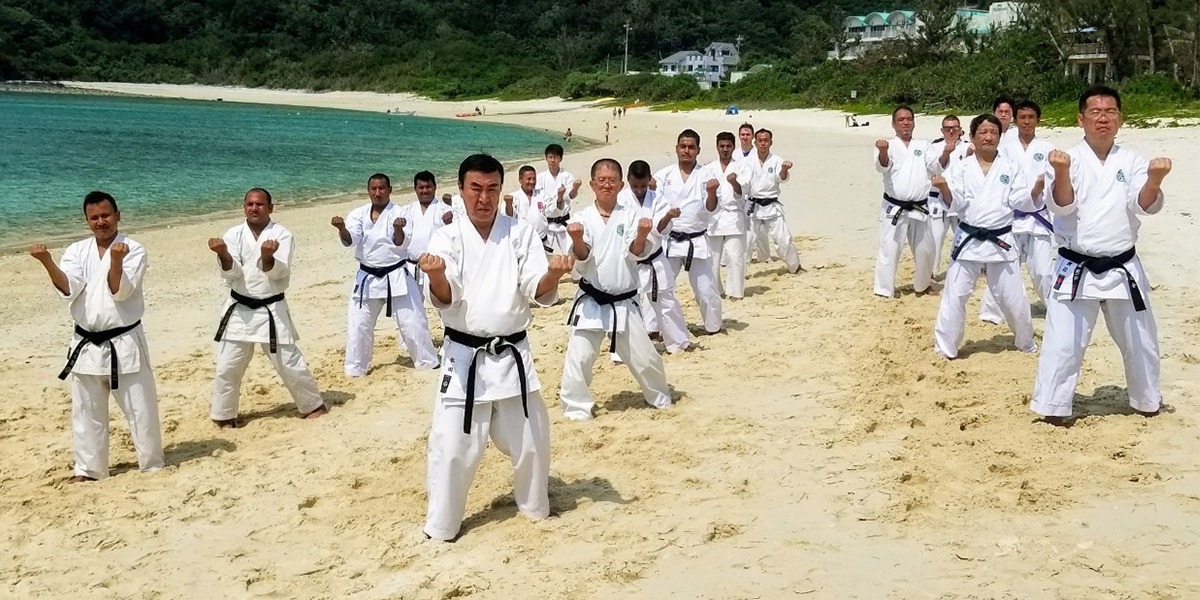

There are more than 400 Karate Dojos in Okinawa. It is a sacred place where people from all over the world come to learn Karate.
There are three exclusive elements that you can learn here.
Okinawan Karate is completely different from mainstream Karate. It is an original martial art form which contains many practical techniques and personality formation as its fundamentalism. It includes rigid physical and mental daily training. Karate learned in Okinawa will not only improve your physical condition but also your mental strength.
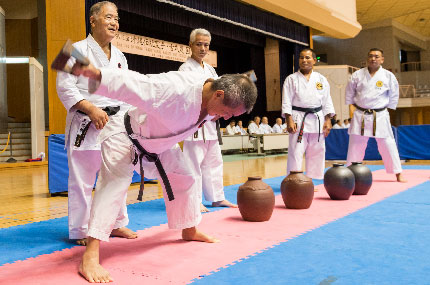
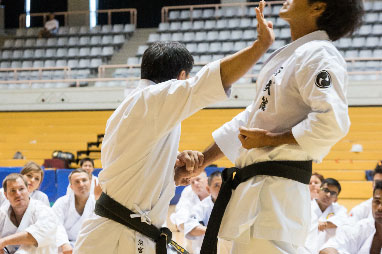
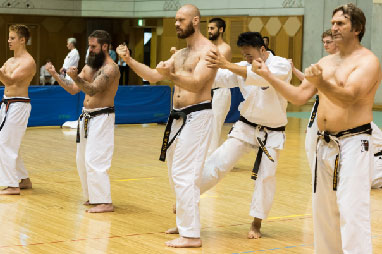
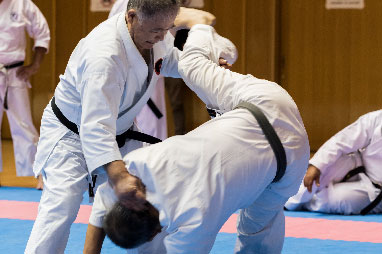
There are more than 400 Karate Dojos in Okinawa, and Karate masters you have seen only in videos exist here. Okinawan Karate is a lifetime martial arts. Some masters are even over 70 or 80 years old but still have incredible skills. You can learn Karate techniques and philosophy from those masters.
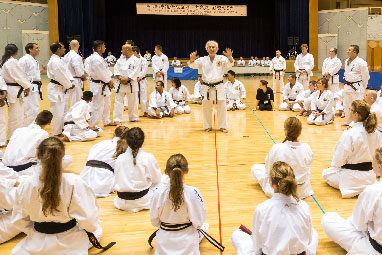
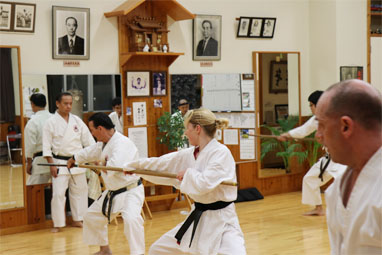
Karate is not aimed at attacking or harming your opponent; it is the contrast, it is about discipline and defense. This philosophy was created in Okinawa and it is what Karate represents. Karate is not just about strength and fighting but also the culture that loves peace and politeness. You can learn Karate in Okinawa where the root of this excellent and peaceful Karate philosophy exists.
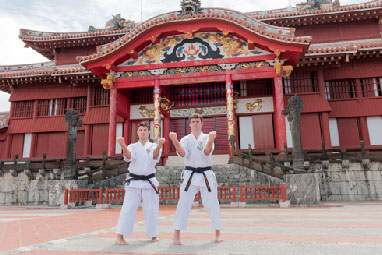
Karate Training a Famous Spots
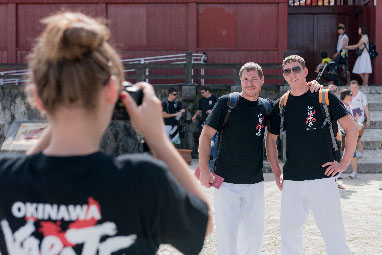
Okinawa SightseeingKarate Camps
We can arrange a dojo training session or any program based on your requests. Please click here for a list of the many different programs that we have to offer you at Ageshio Japan.
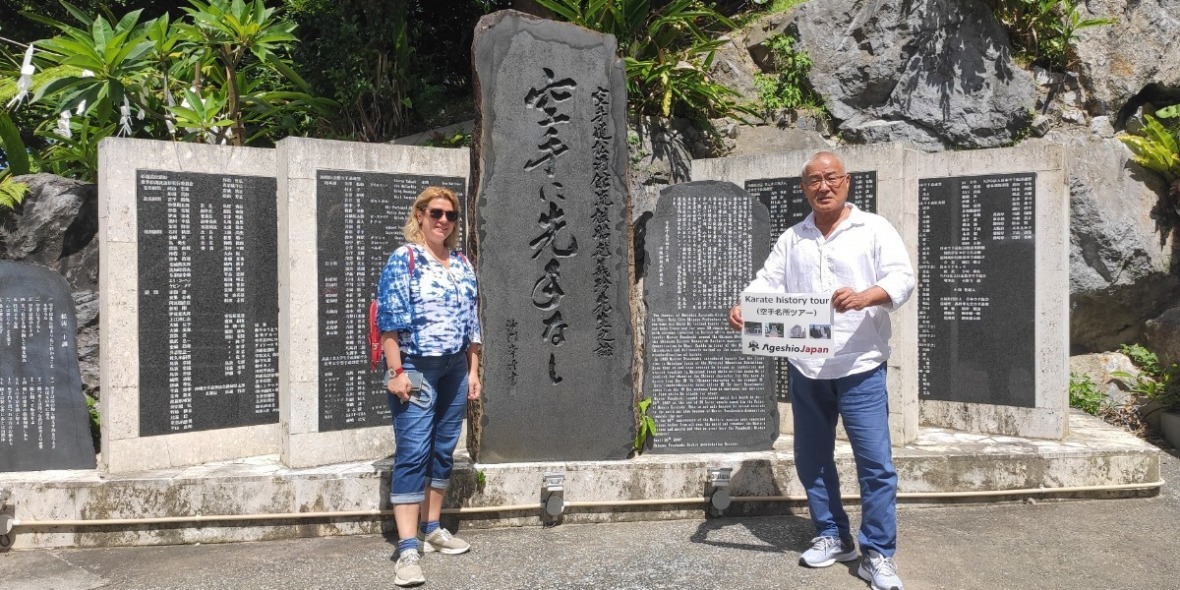
We conducted a Karate History Tour in Naha on July 12th, 2020 for Yoshiji Soeno Sensei and his wife Iuliana Soeno. Yoshiji Soeno Sensei is a Japanese karateka from the Kyokushin Kaikan (極真会館) and a retired professional welterweight kickboxer. He founded Shidōkan Karate, and is also known as The Tiger of Josai. For those of you who know the video game developer and publisher Capcom and its Street Fighter franchise, the character Ryu is said to be based on Yoshiji Soeno Sensei. It was an honor to have done the tour for them.
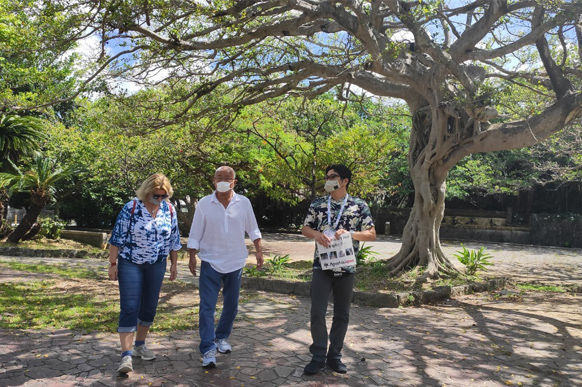
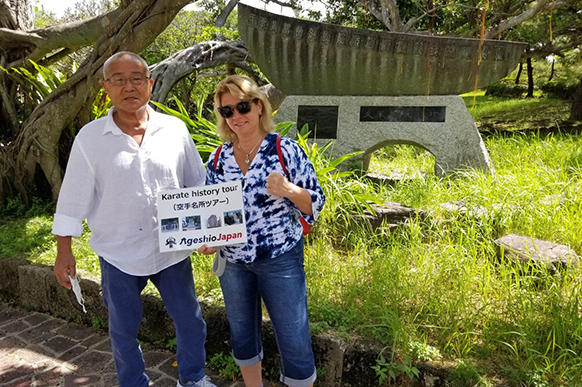
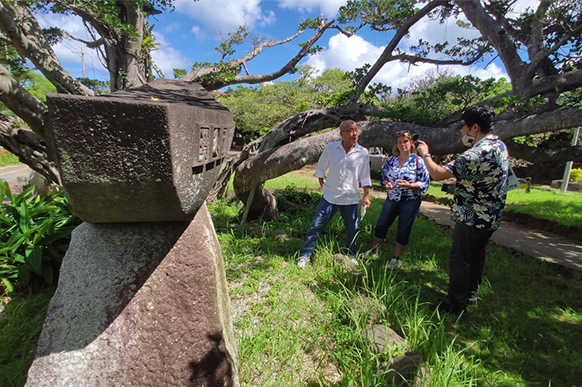
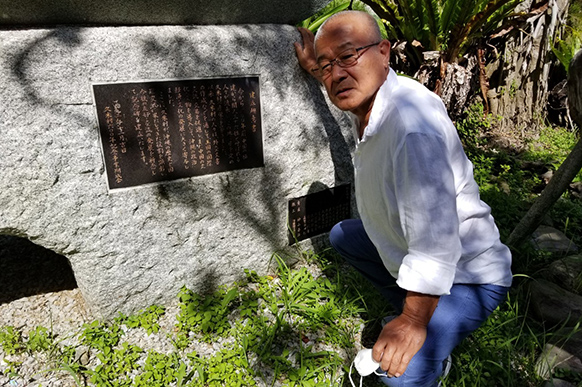
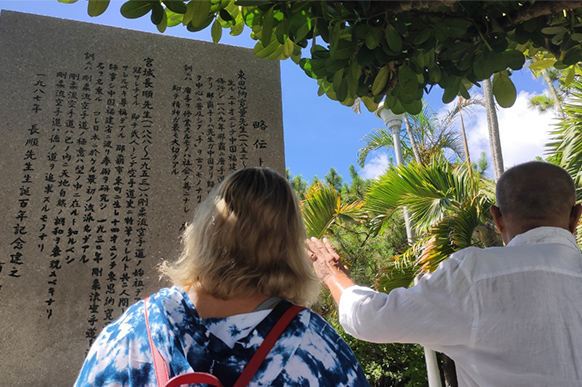
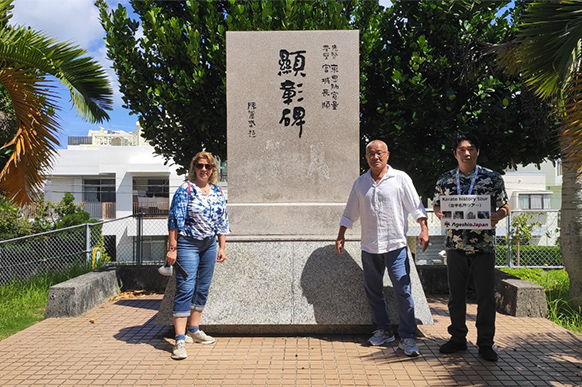
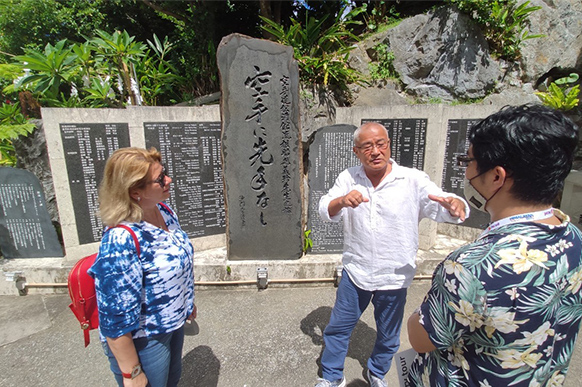
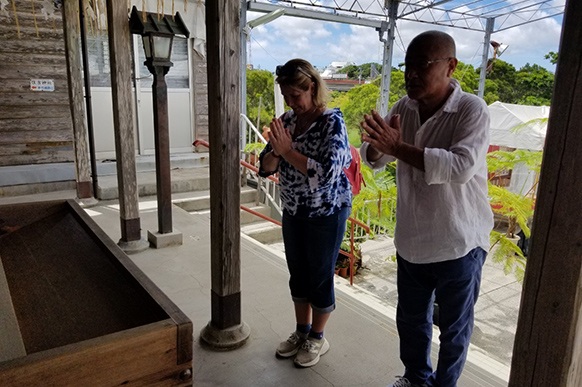
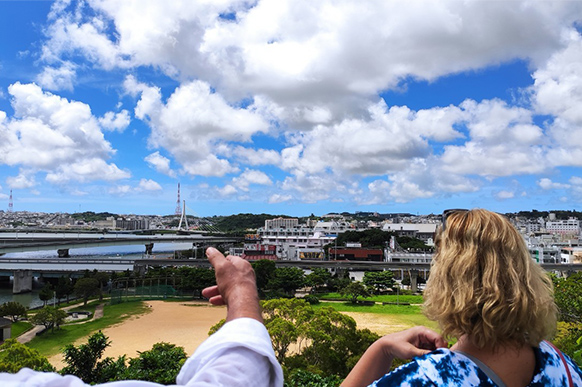
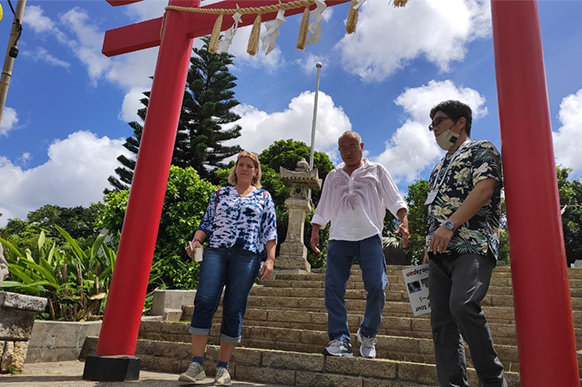
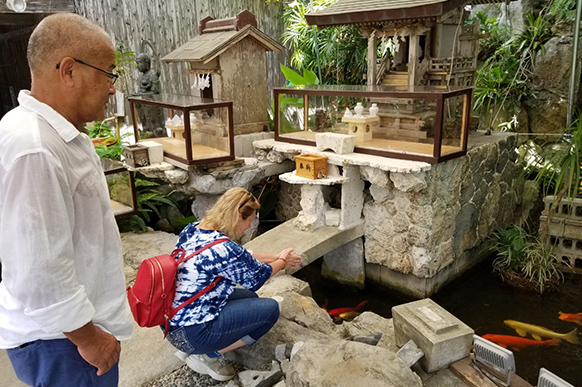
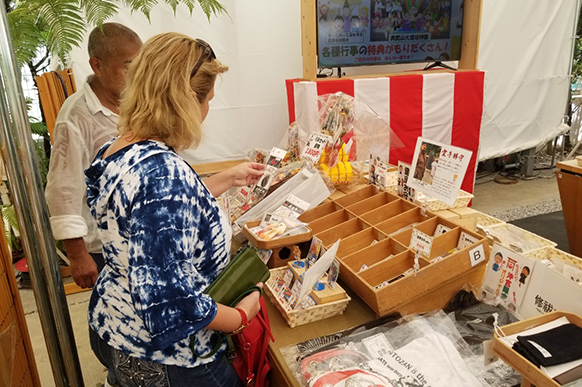
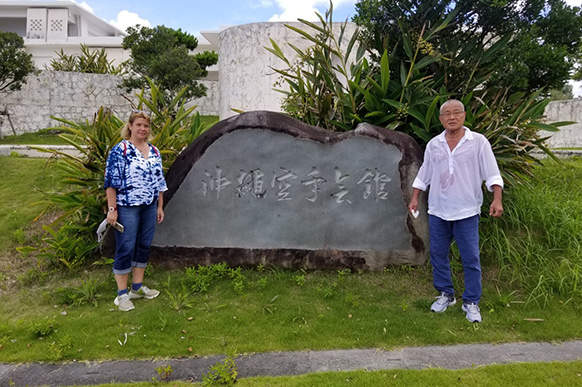
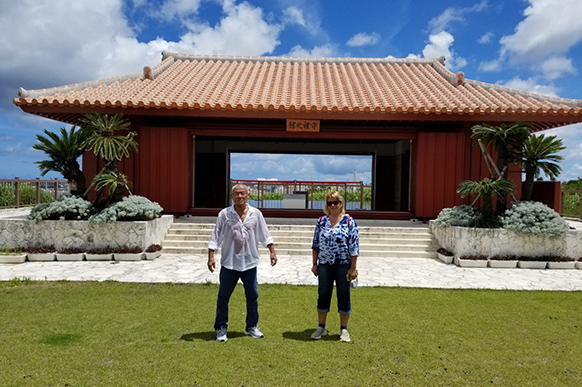
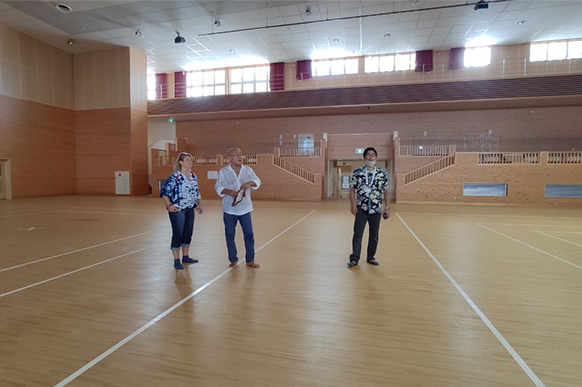
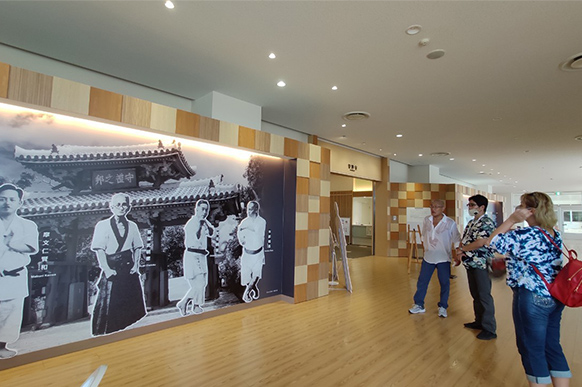
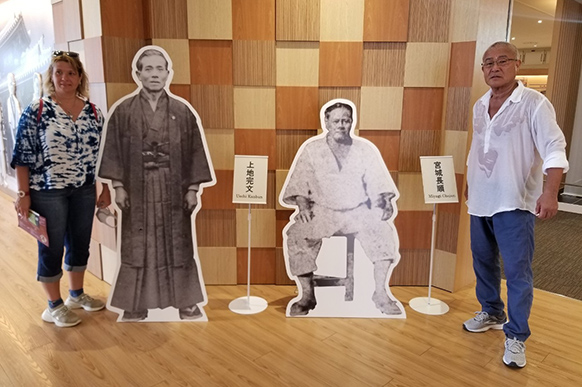
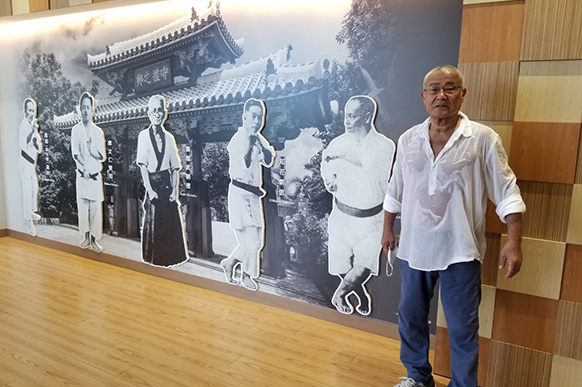
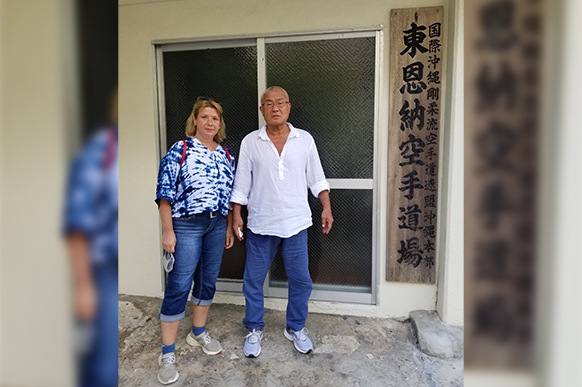
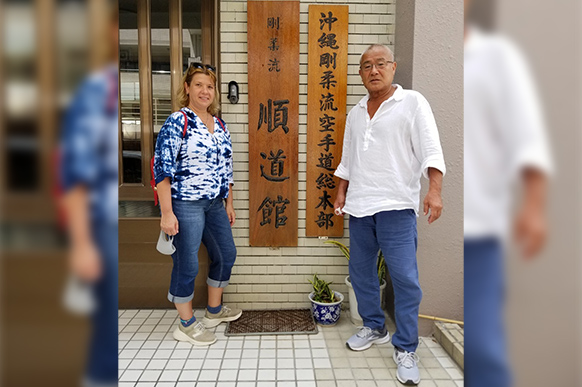
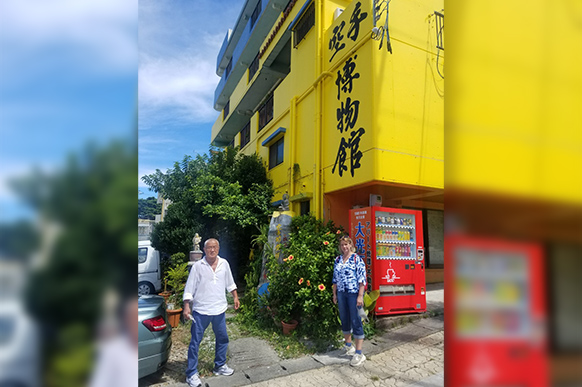
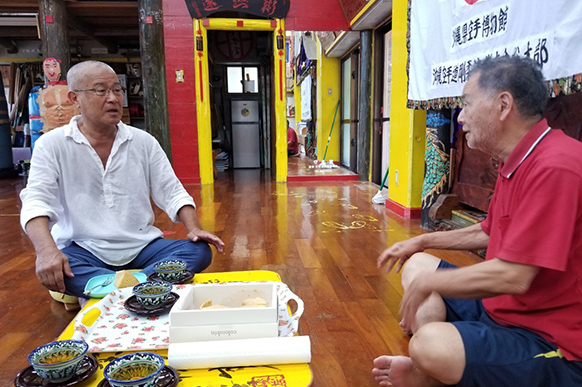
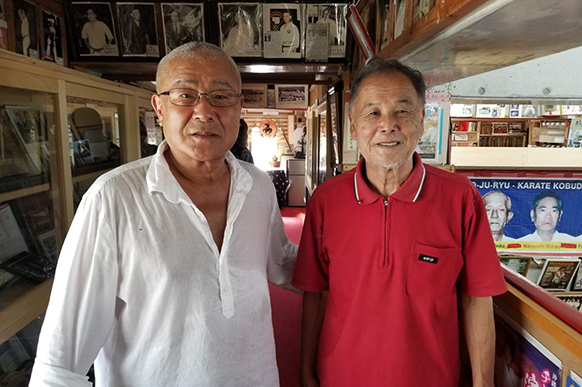
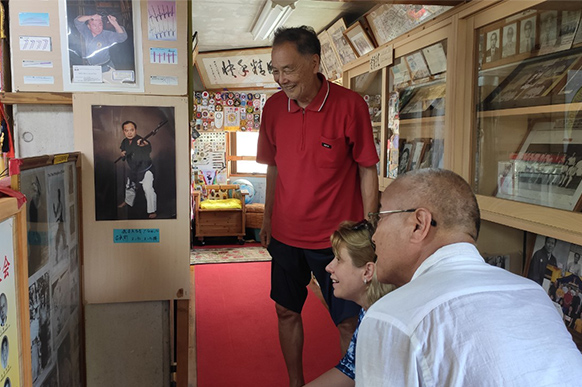
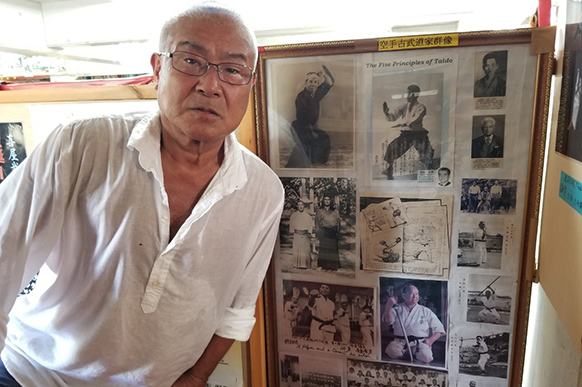
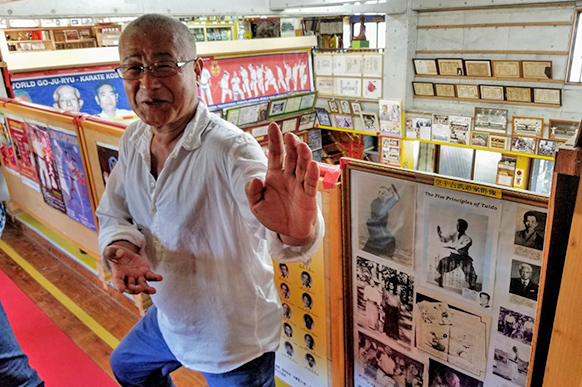
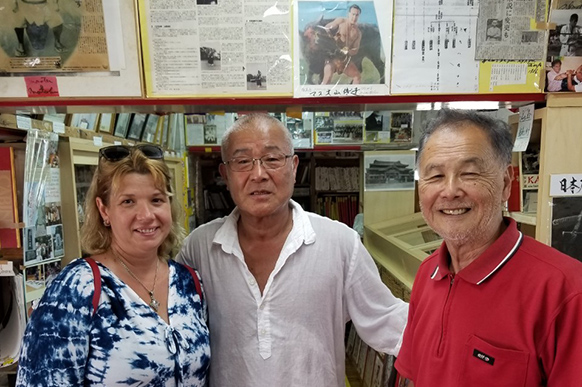
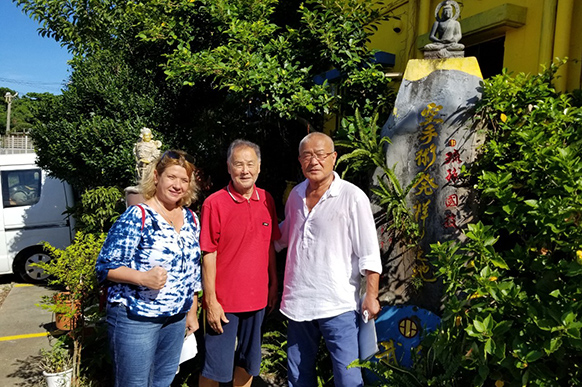
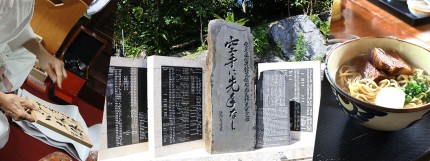
We could arrange a tour based on your requests. Please click here for more information on our Karate History Tours.

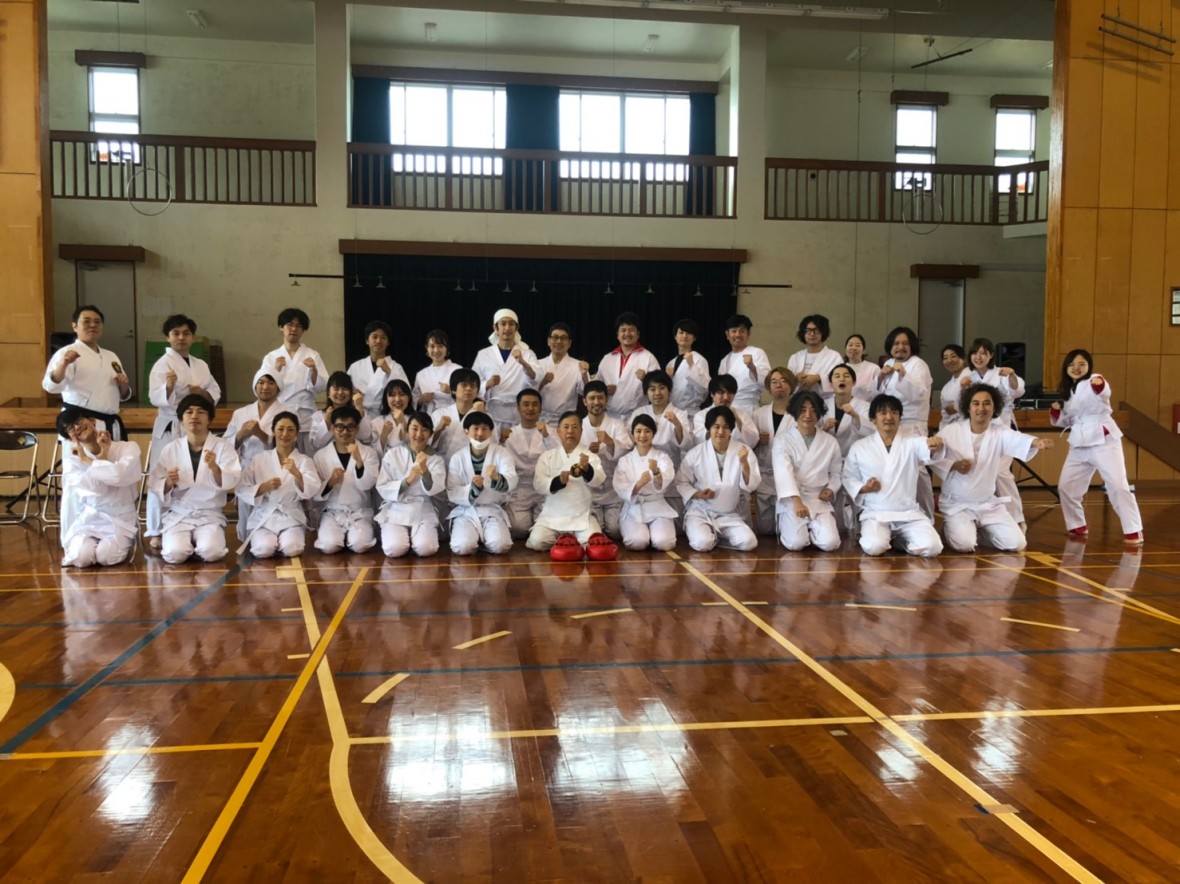
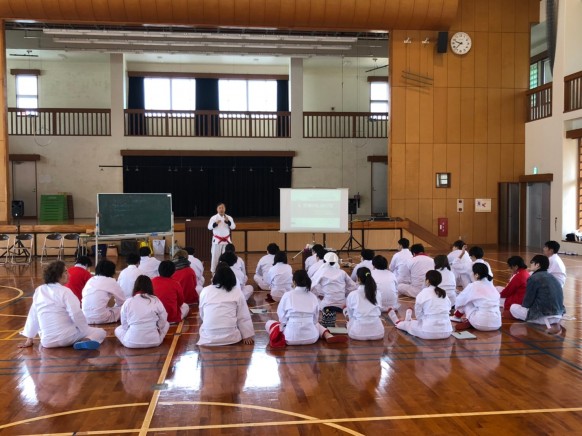
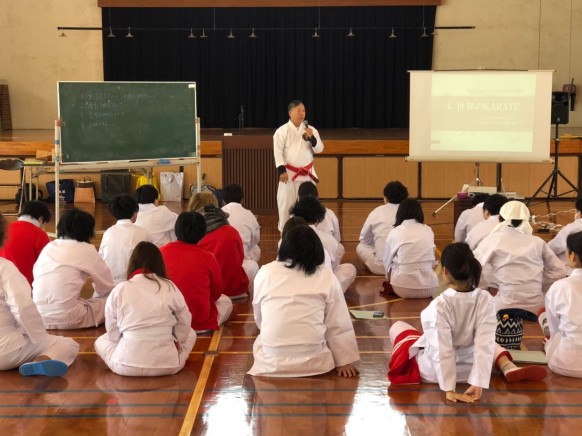
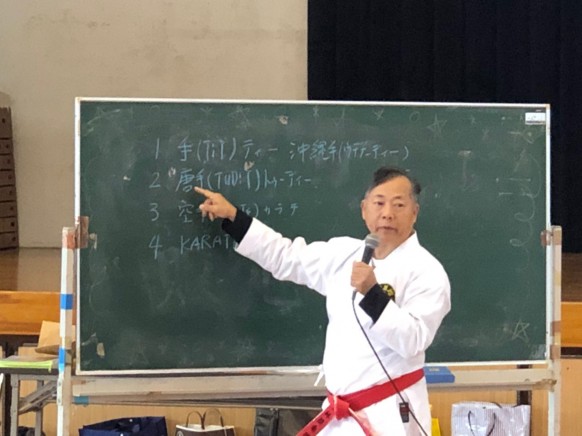
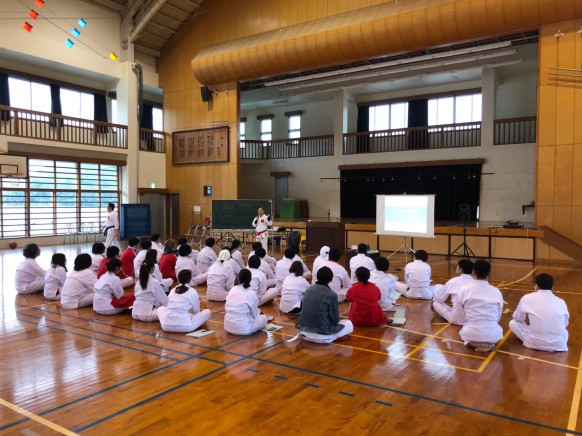
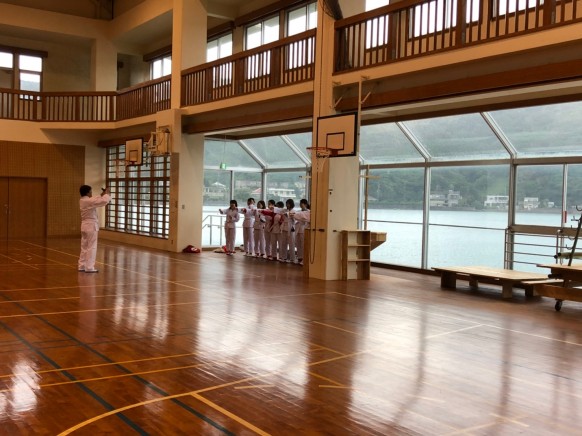
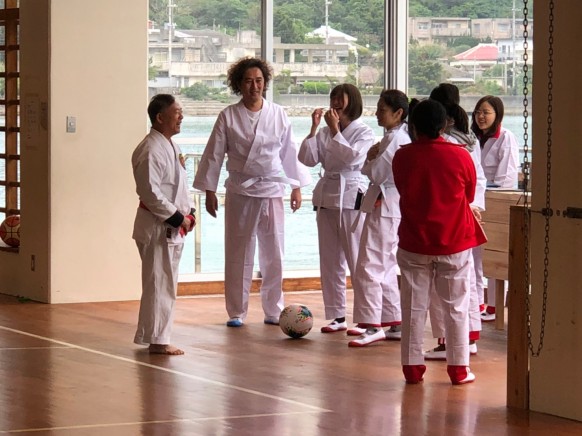
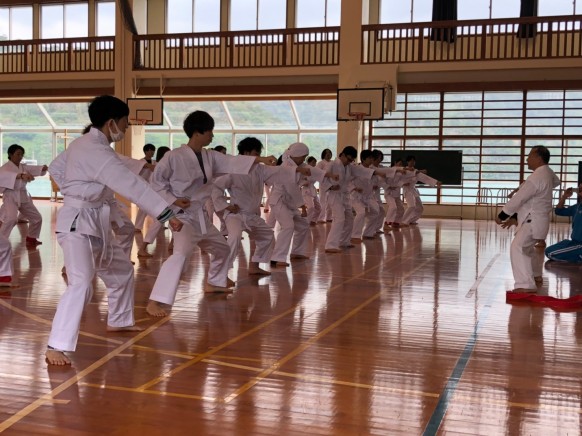
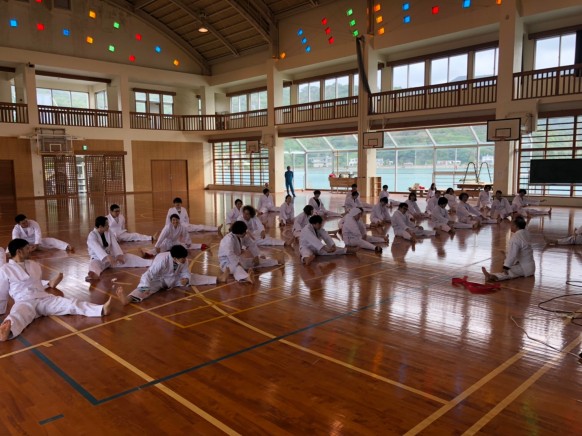
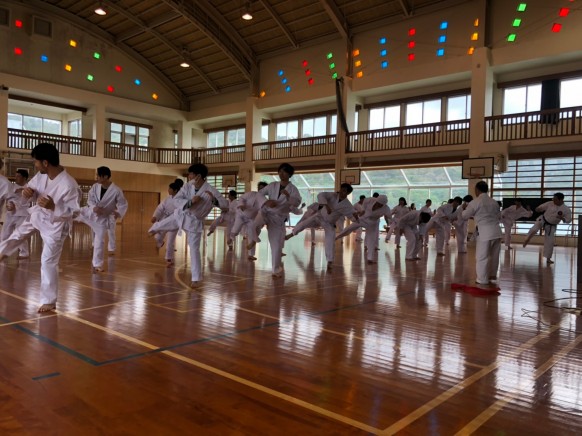
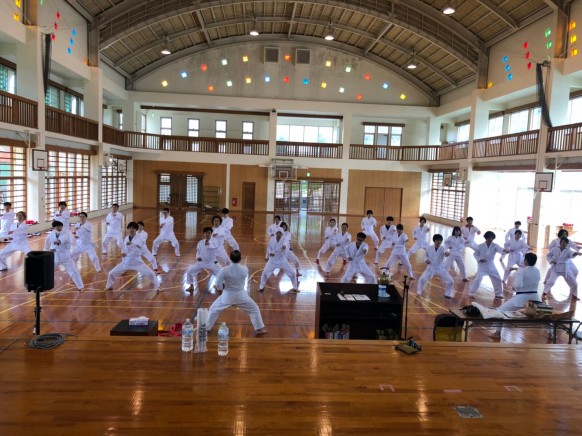
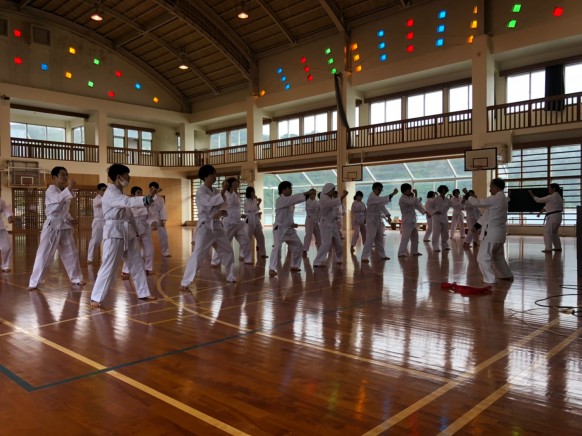
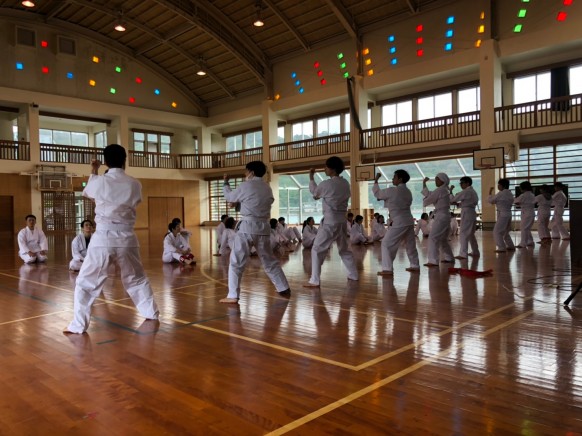
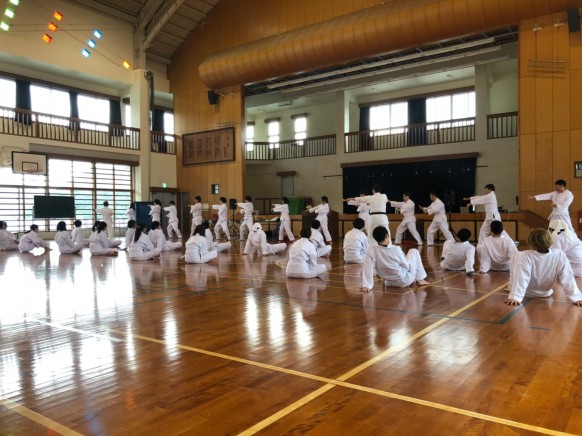
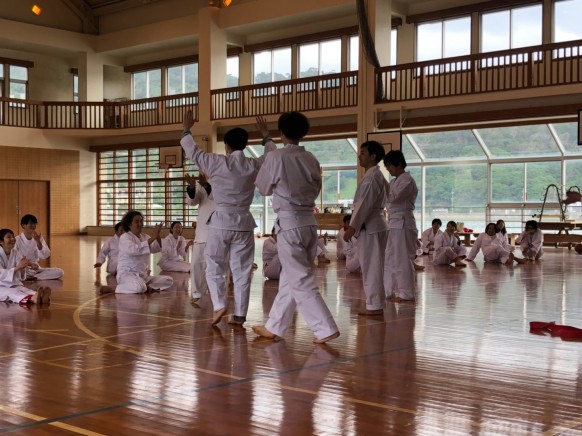
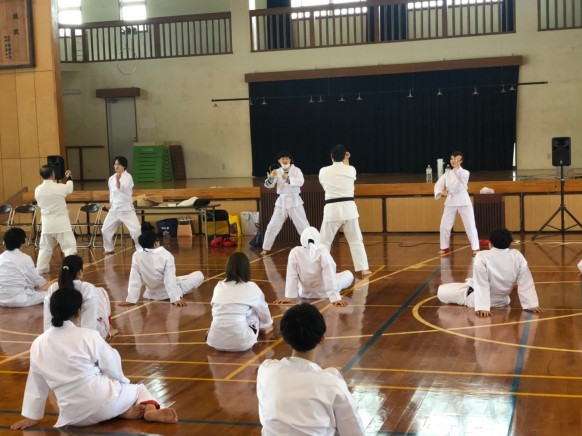
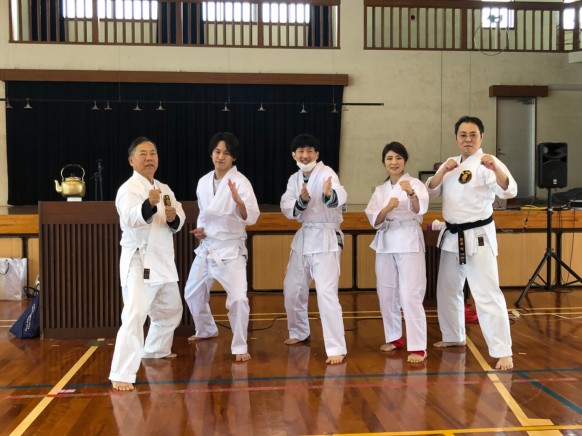
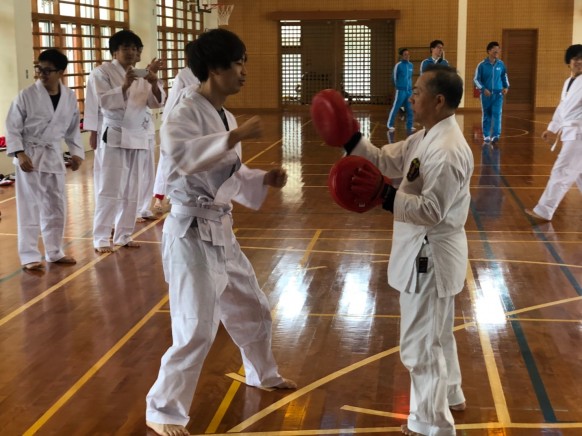
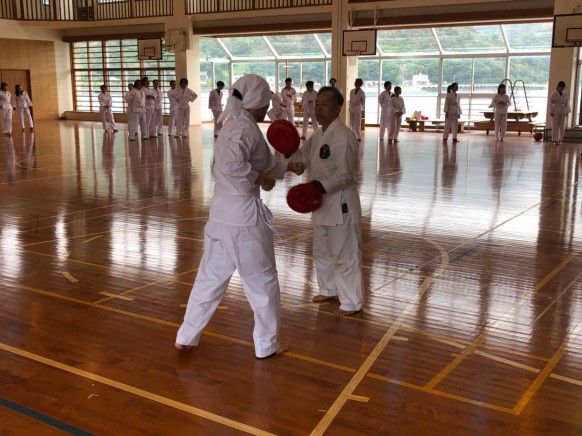
On February 9th, 37 employees of the company Hakuhodo Kettle based in Tokyo came to Okinawa to take part in an unforgettable Karate experience program. The program began with a one-hour lecture on the “History of Traditional Okinawan Karate”, followed by an hour of actual Karate training. The lecture and Karate training was conducted by 10th Dan Shorin-ryu Koei Nohara Sensei, director of the Ryukyukan here in Okinawa. Everyone who participated in the program did so with a very positive attitude, making the 2-hour program a great success.


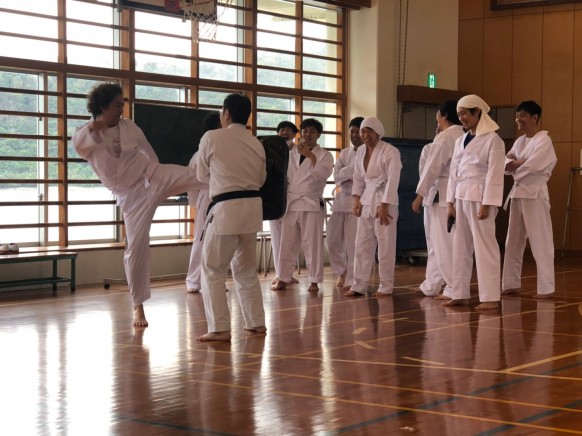
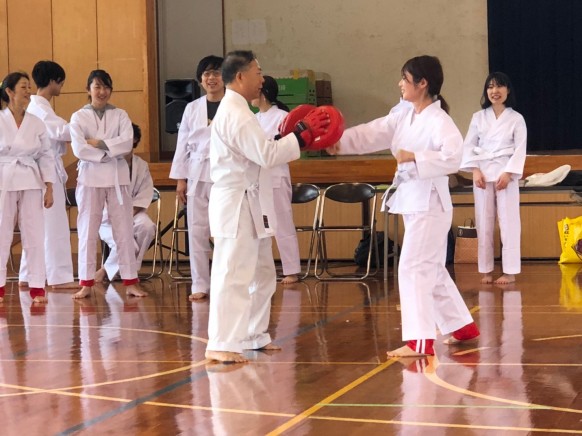
https://youtu.be/OGerw4Nn33shttps://youtu.be/fifDiyLDeyU
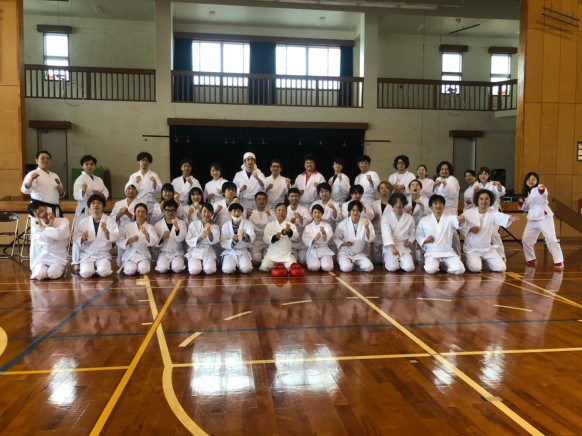
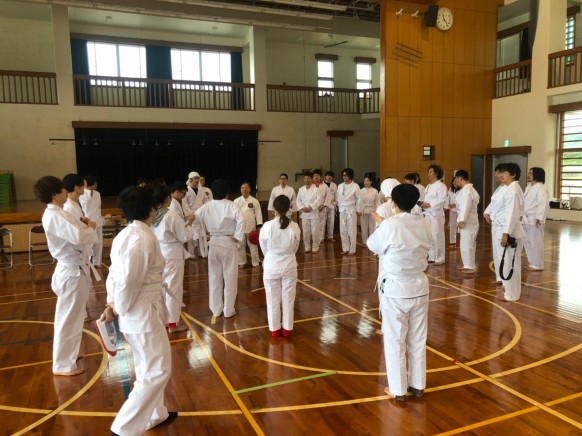
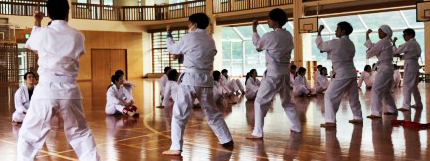
We can arrange a program for you. Please click here for more information on our Karate Group Trial Lesson Program.
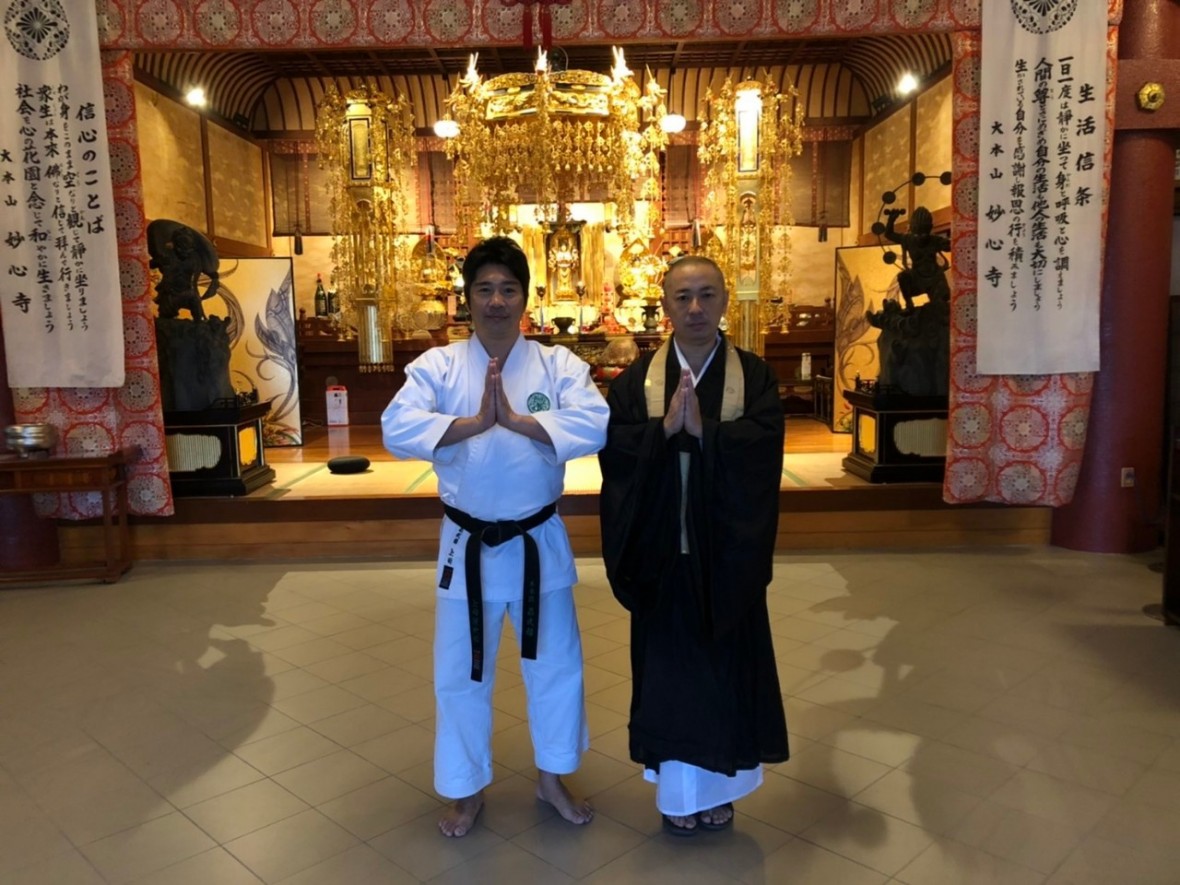
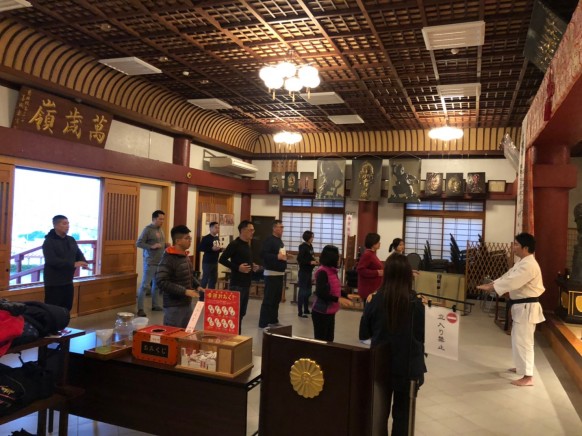
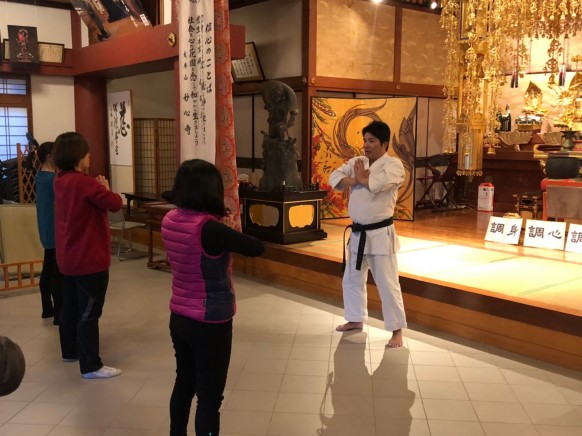
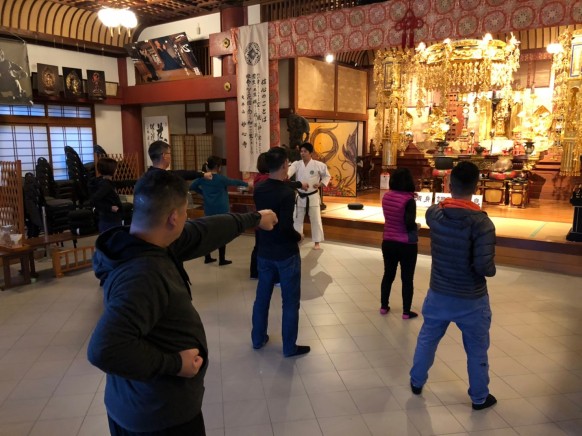
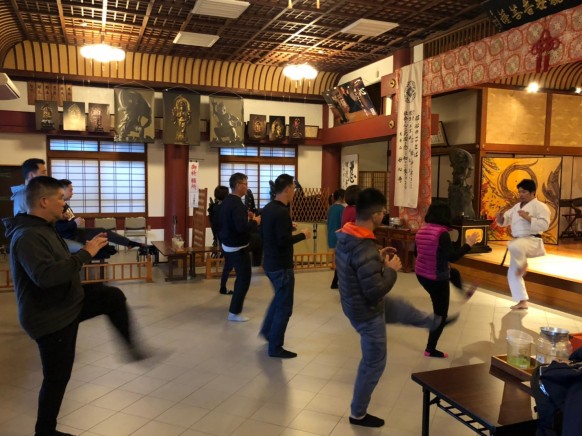
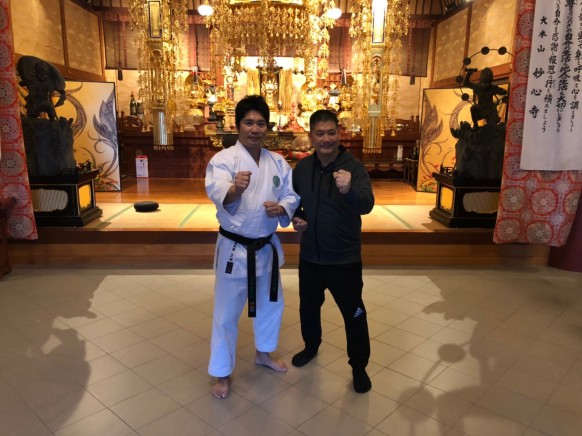
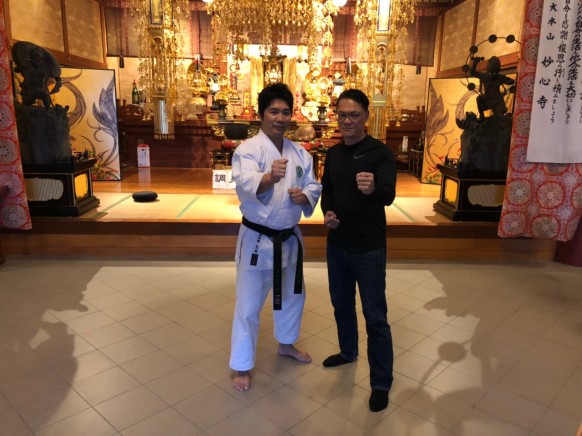
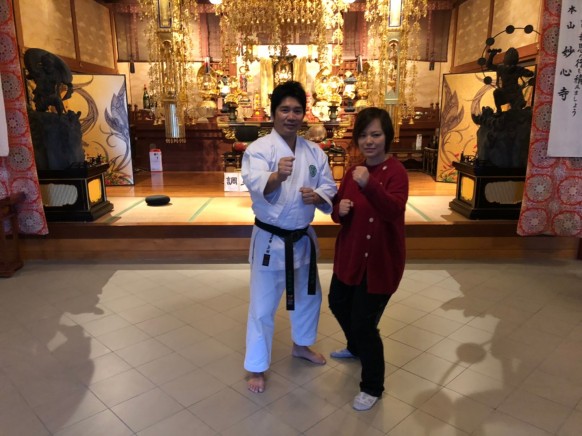
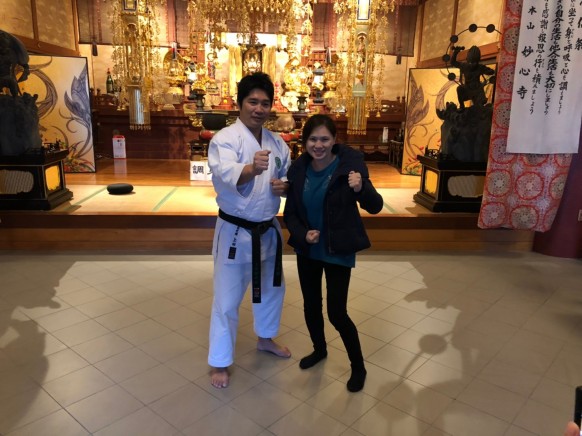
The Okinawa Tourism Convention Bureau (OCVB) introduced us to a group of 10 people from the Hong Kong Educational Trip FAM Tour, and today the group participated in our “Zen + Karate” program at the Shuri Kannondo Temple.
The program was restricted to an hour from 6:30am to 7:30am because of their flight schedule. After enjoying the Zen and Karate, the group then enjoyed taking many photos. They were able to have a unique cultural experience, an experience unlike any we have offered to other School Educational trips to Okinawa in the past. We will continue to offer karate experiences in various ways to everyone, Karate pratitioner or not, visiting Okinawa.
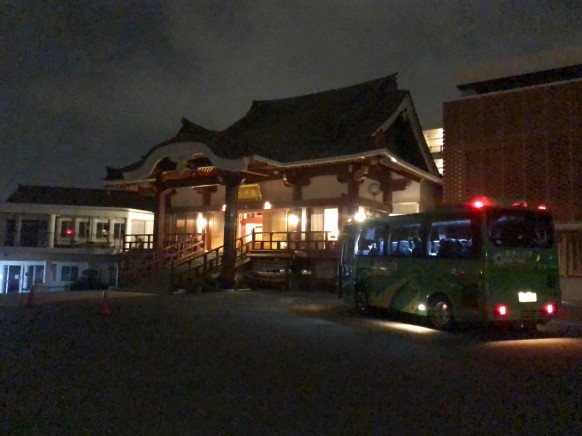
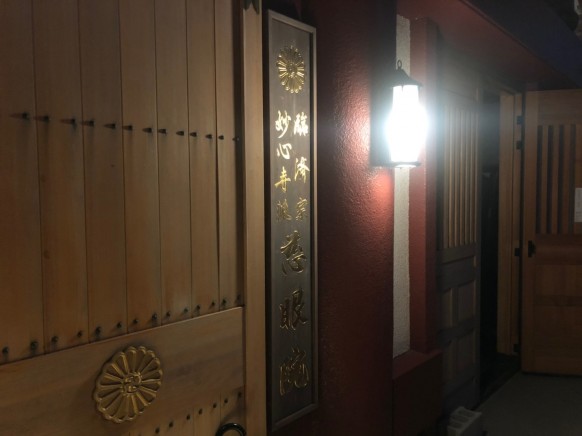
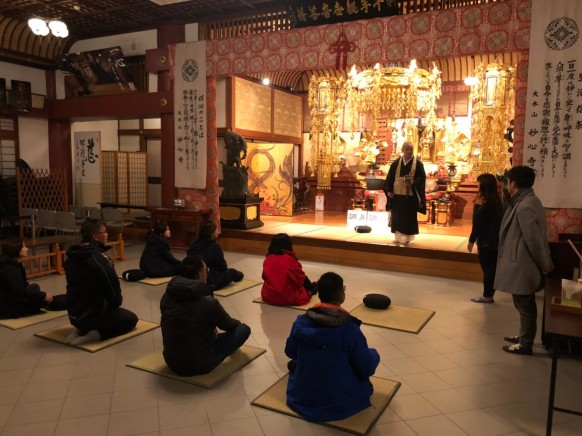
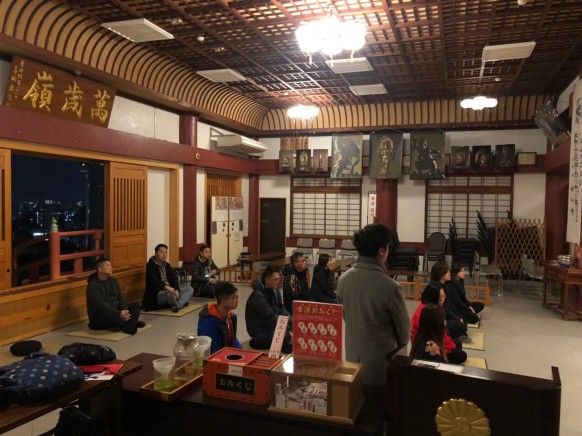
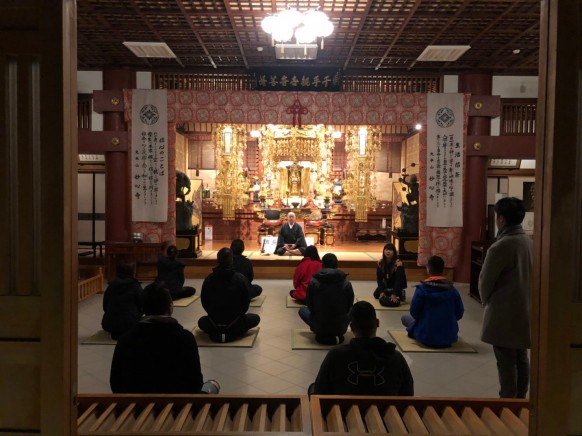
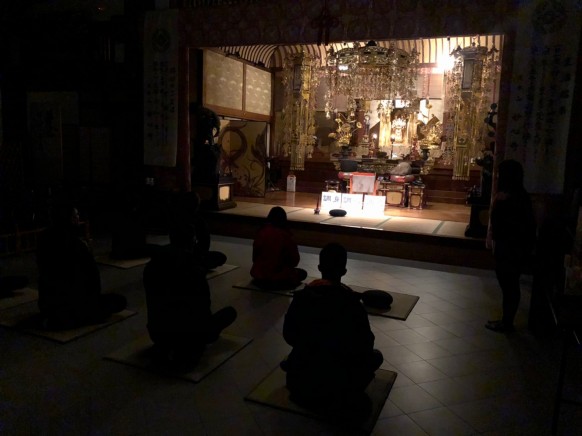
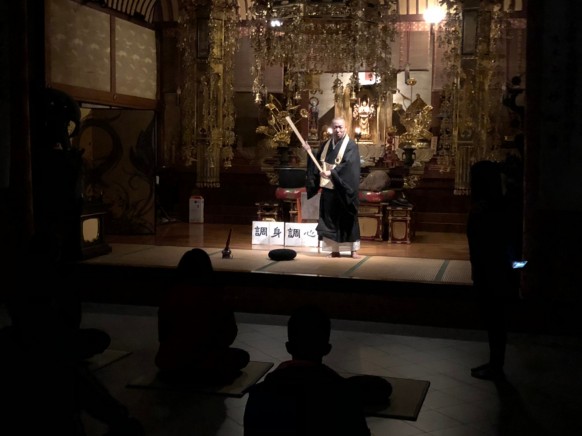
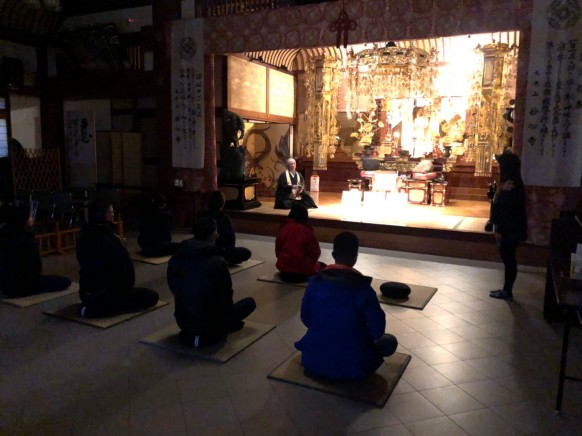
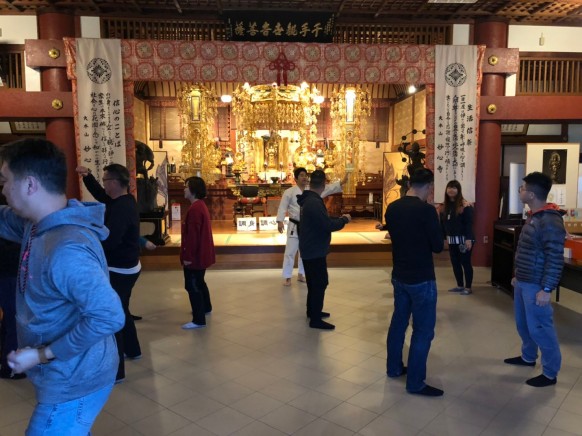
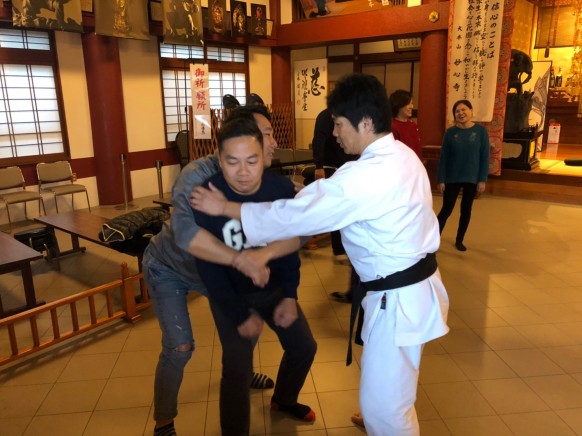
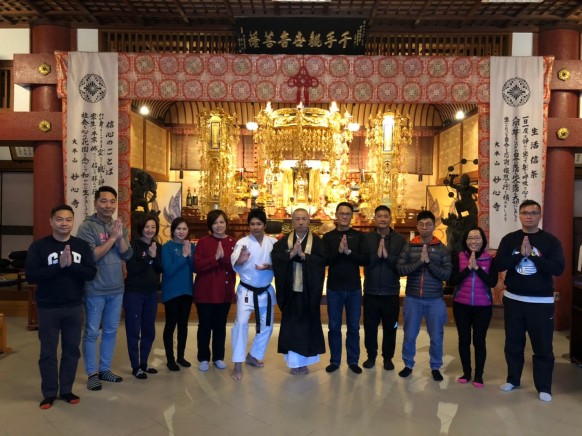
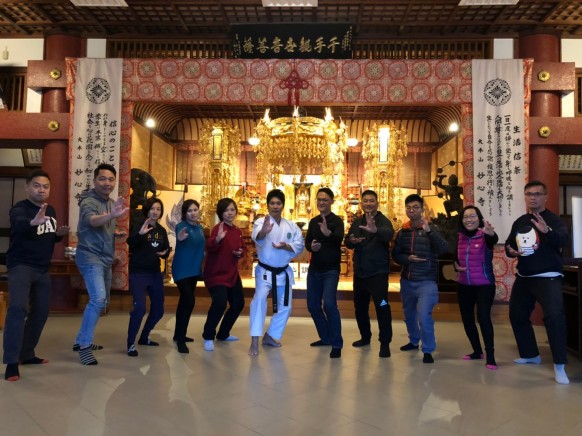
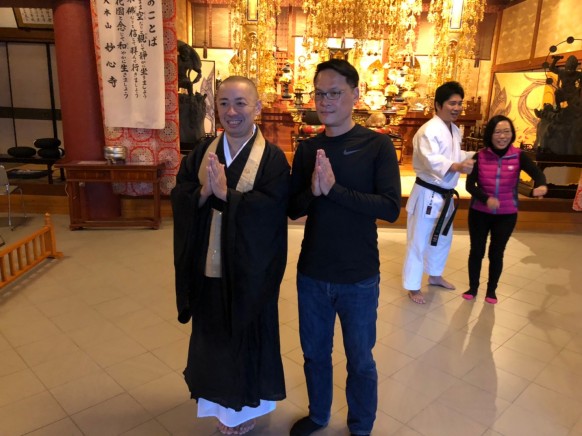
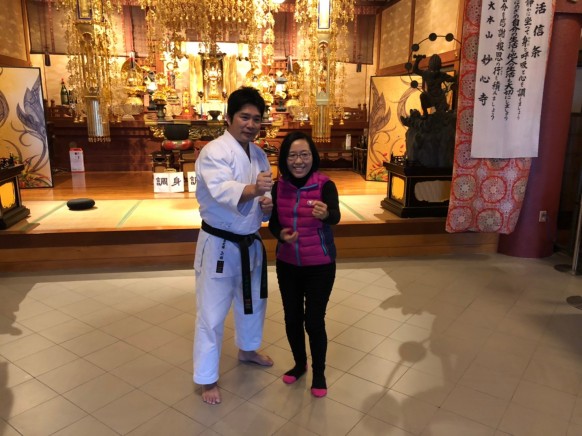
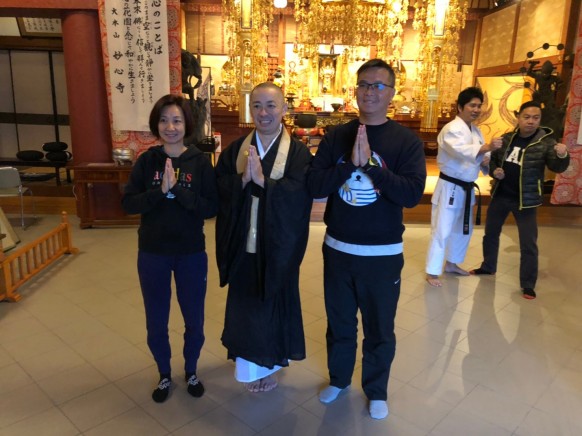
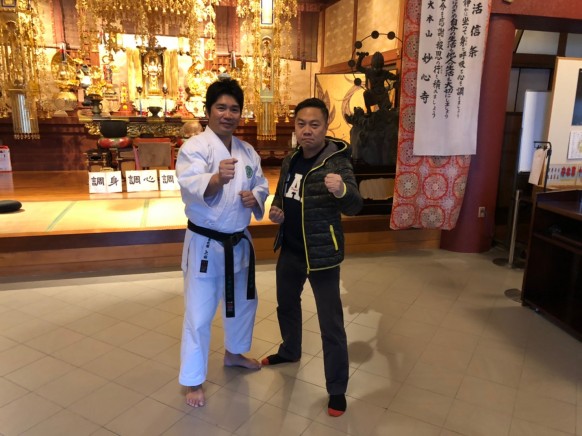
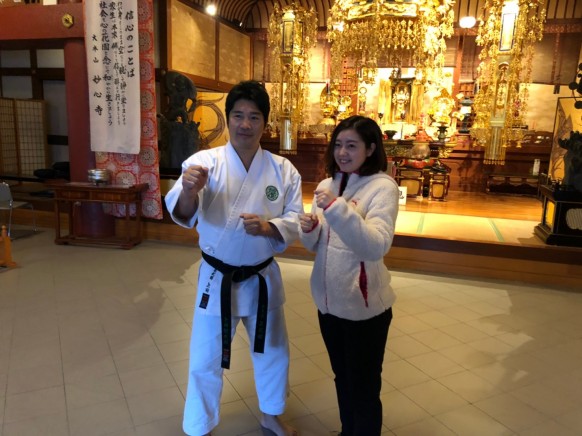
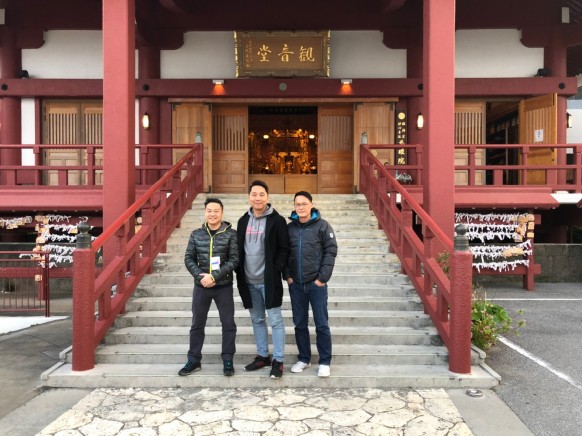
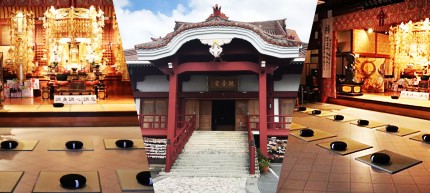
We could arrange a tour based on your requests. Please click here for more information on our Zen program.
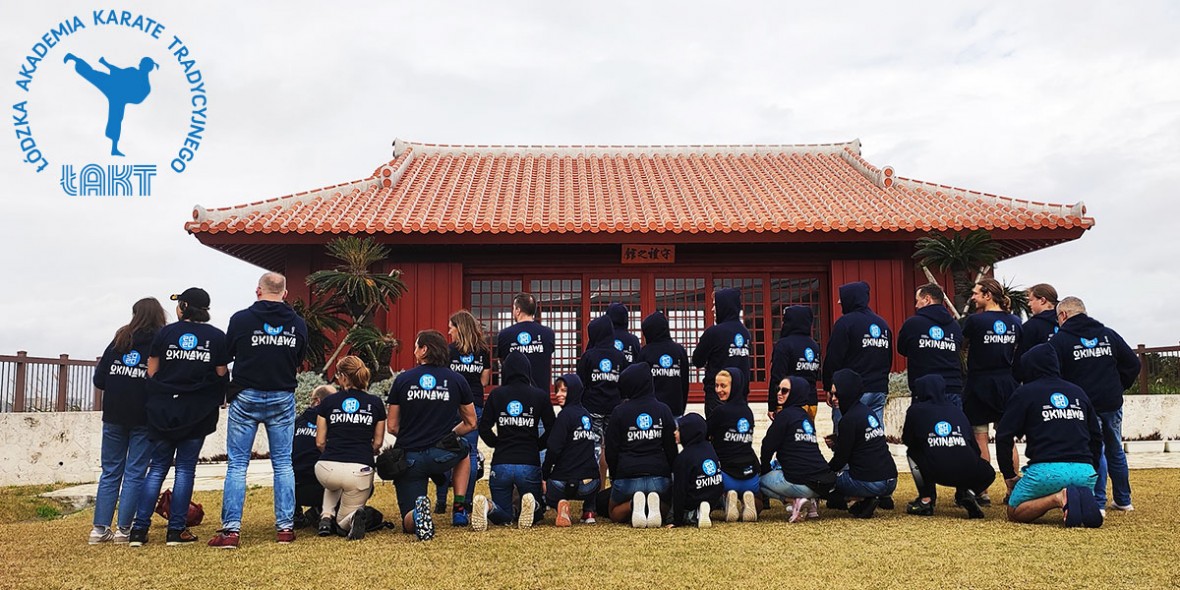
Karate practitioners from Łódzka Akademia Karate Tradycyjnego located in Łódź, Poland came to Okinawa in January 2020 and stayed for 11 days. We had arranged a Karate History Tour, Zen, 3 days of intense dojo training, and a few other programs. For the dojo training, we had arranged for the group to train with a different Grand Master for each day of their training.
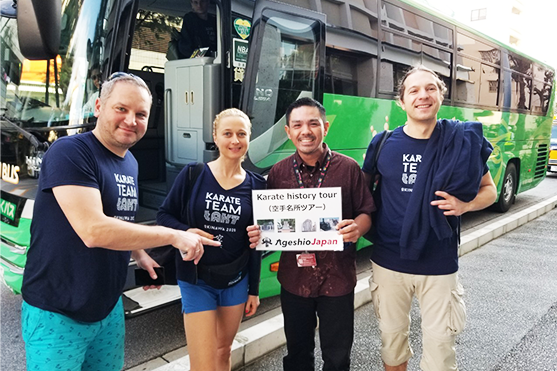
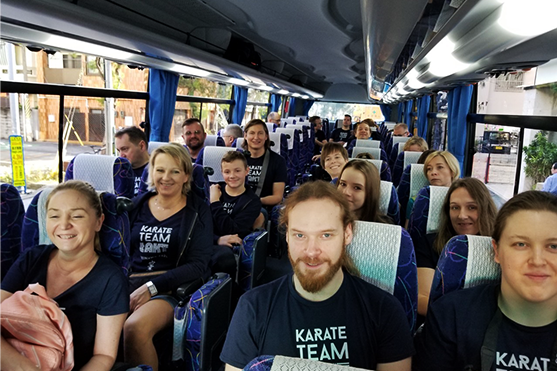
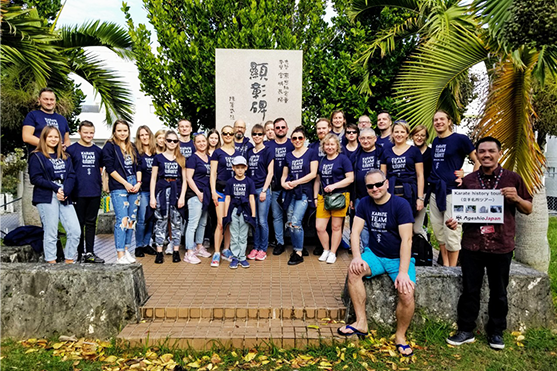
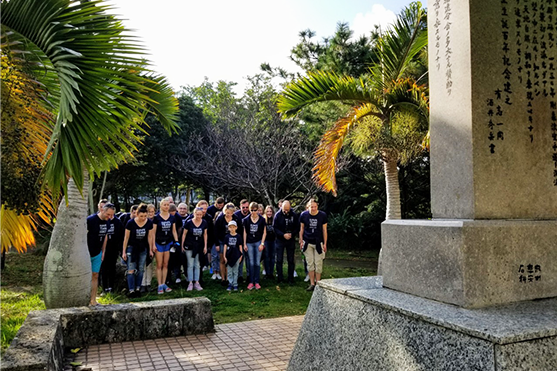
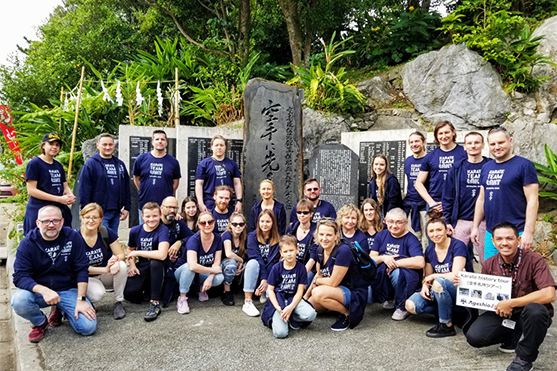
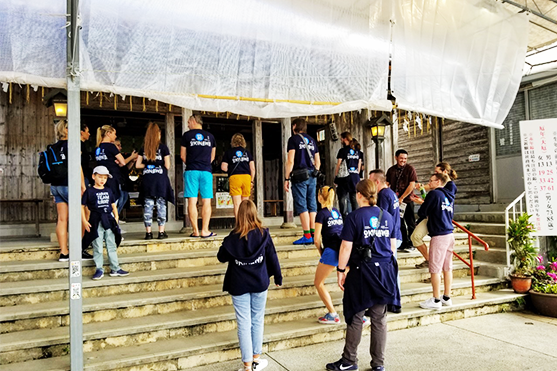
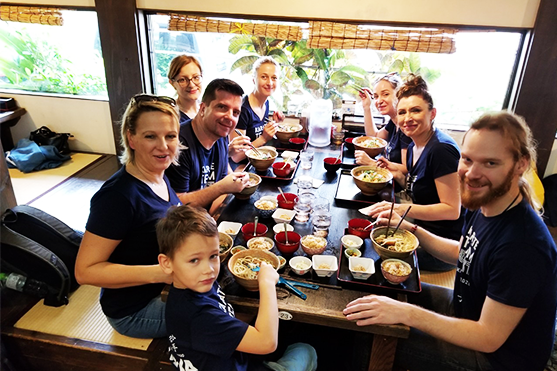
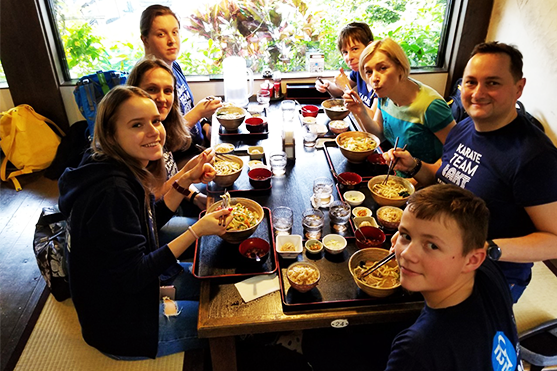
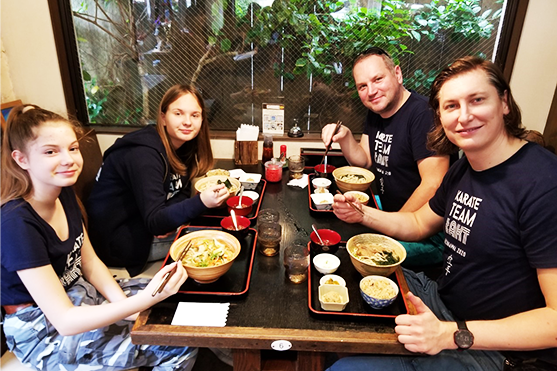
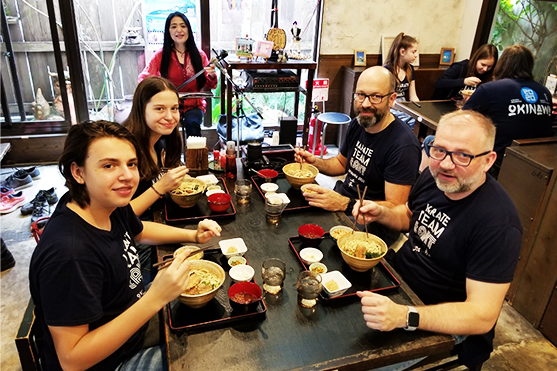
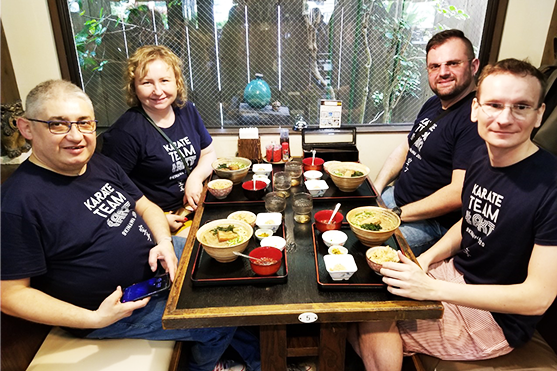
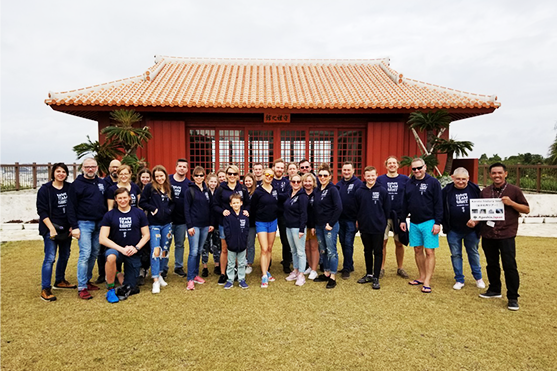
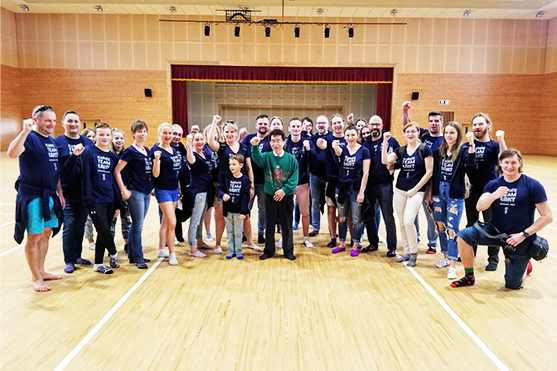
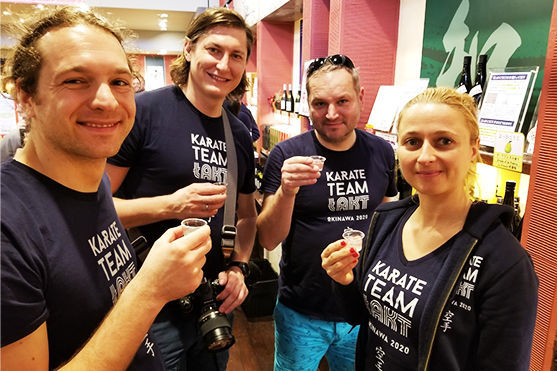
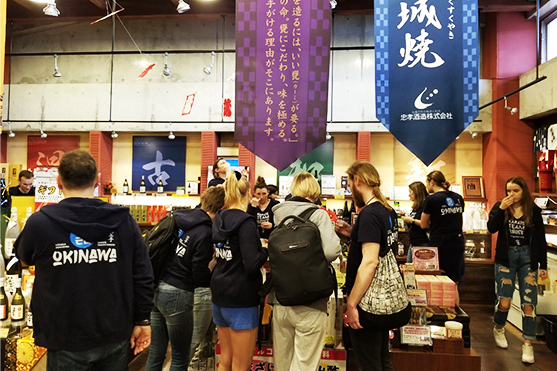
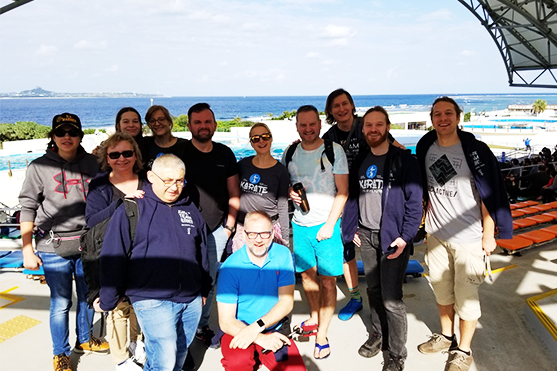
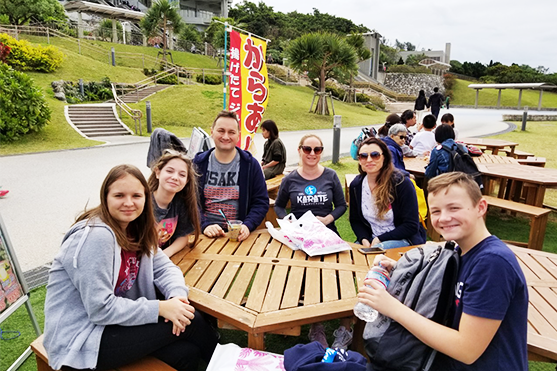
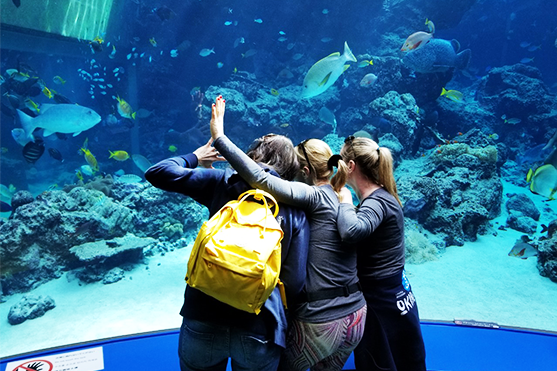
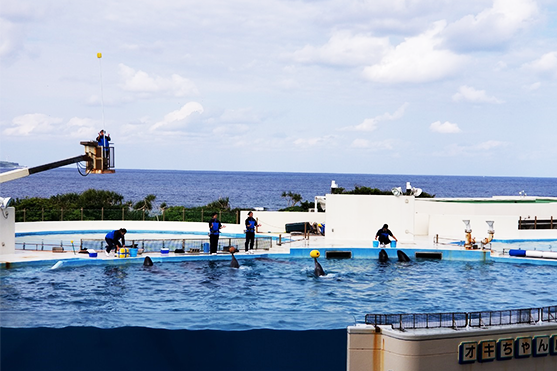
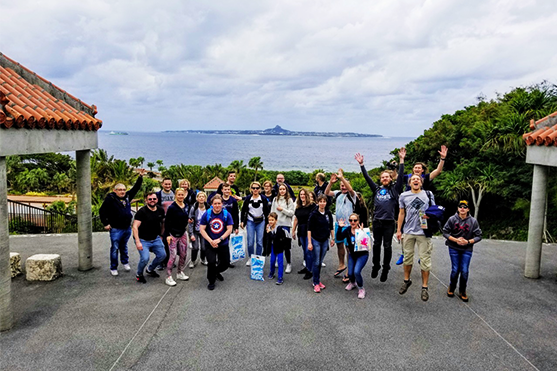
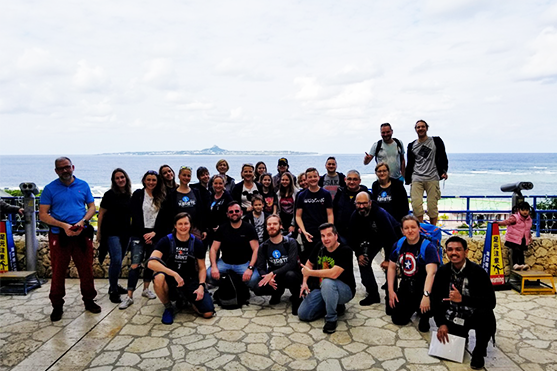
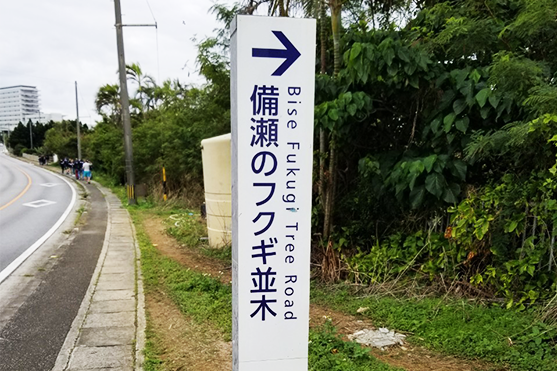
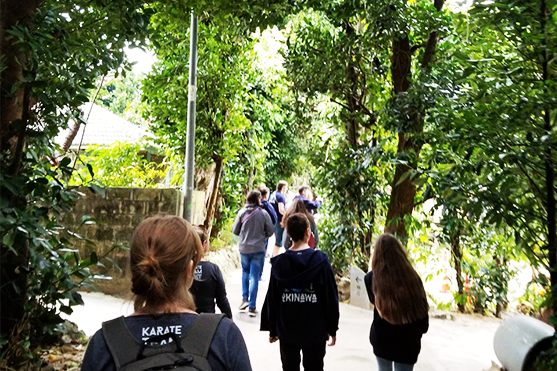
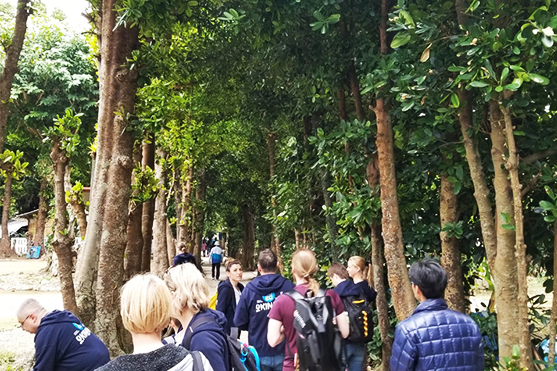
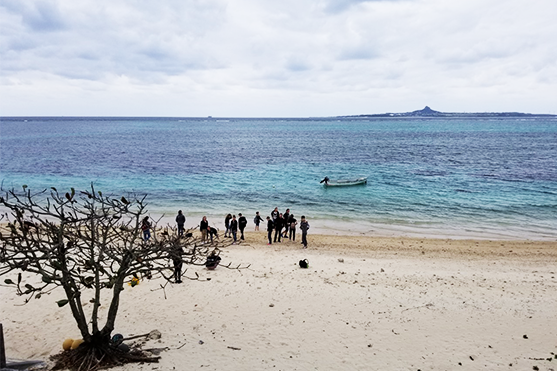
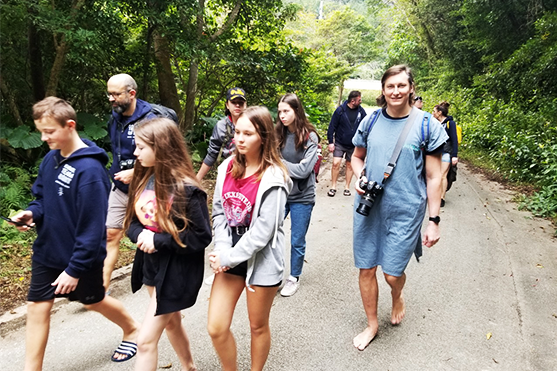
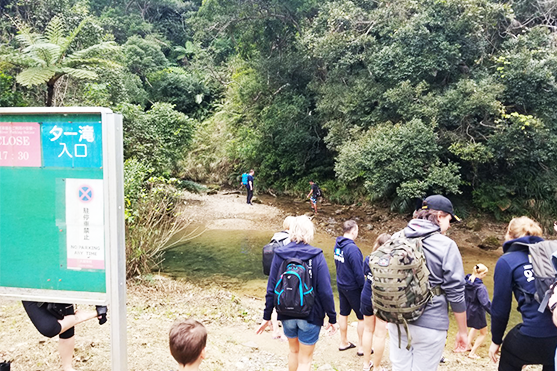
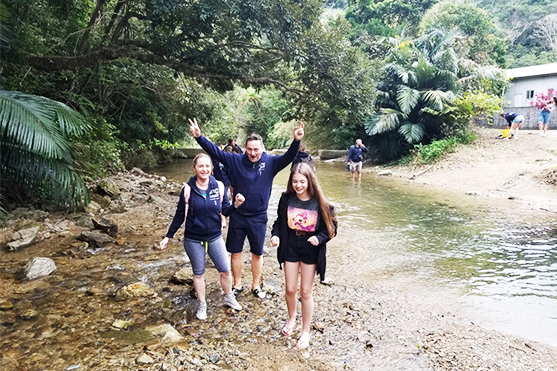
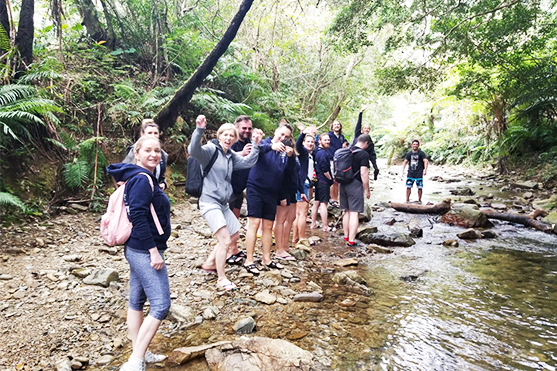
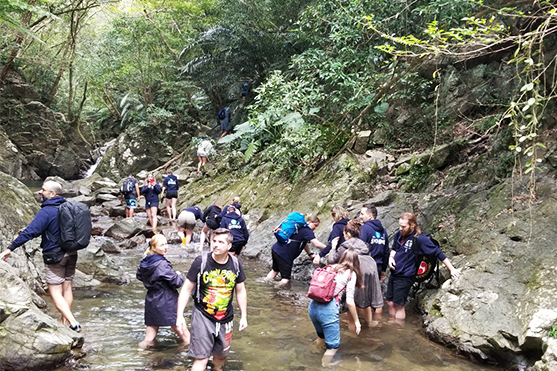
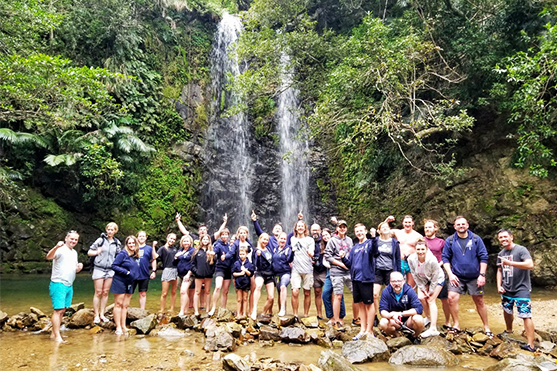
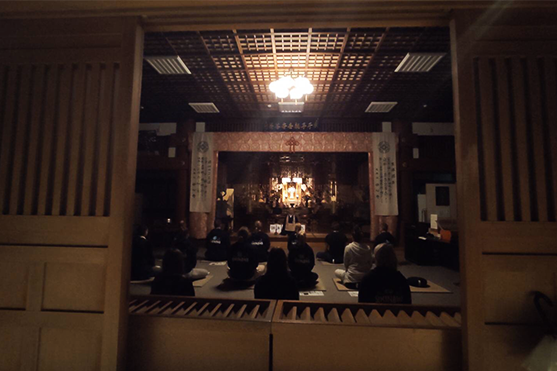
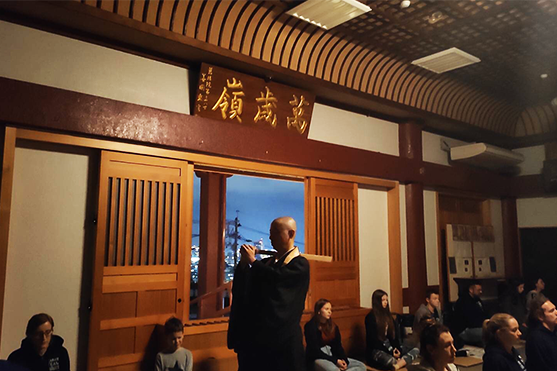
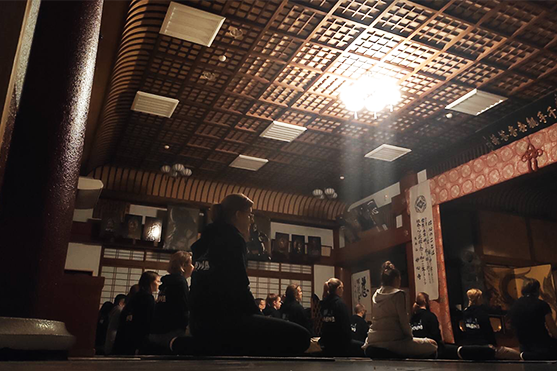
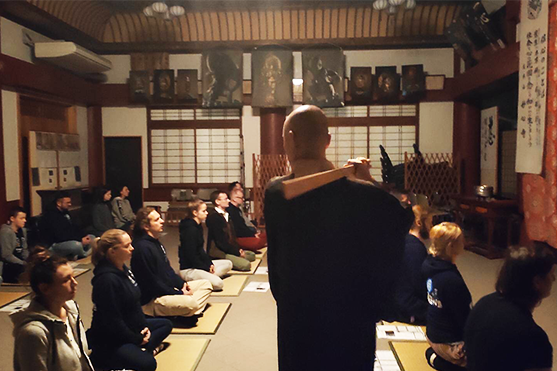
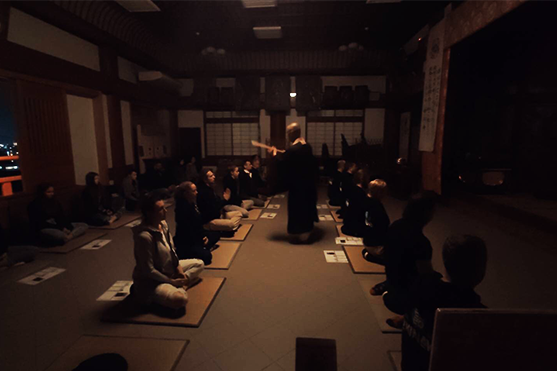
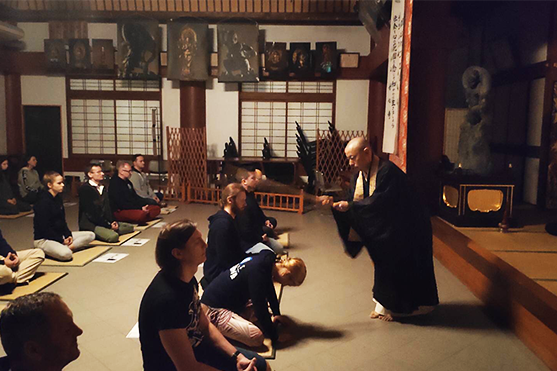
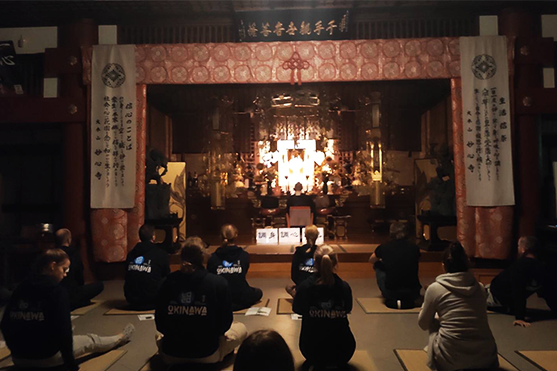
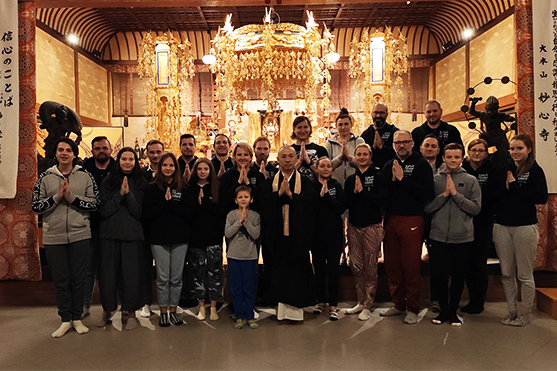
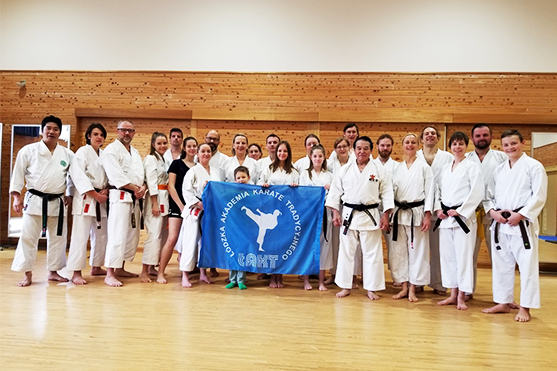
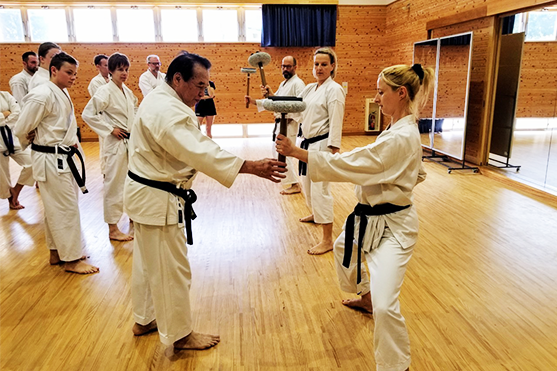
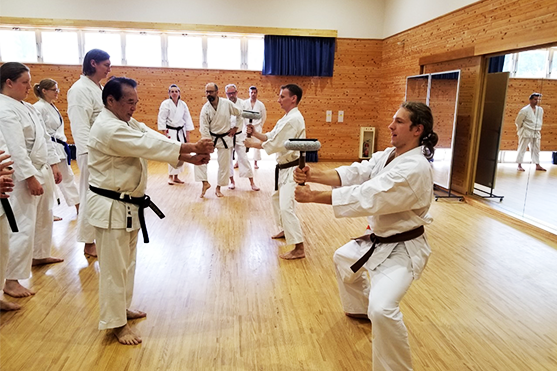
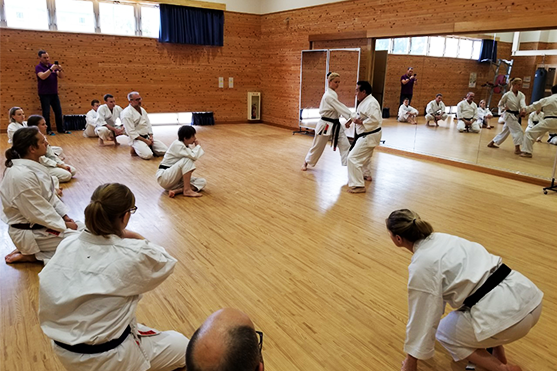
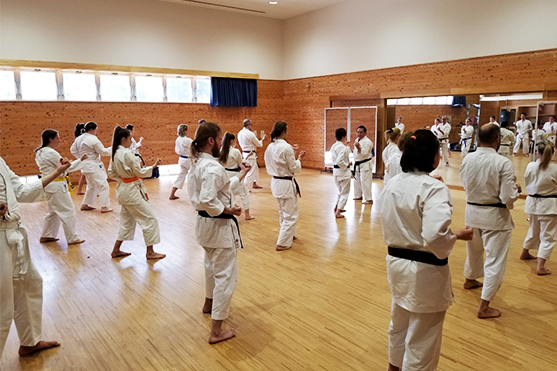
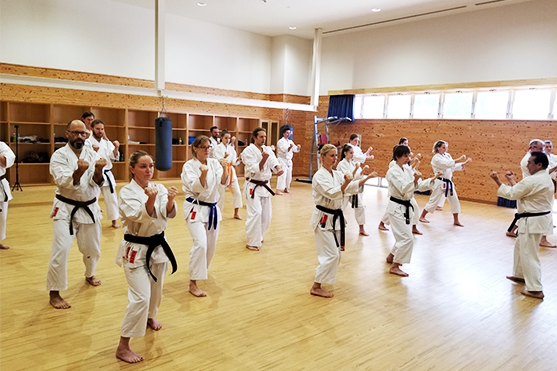
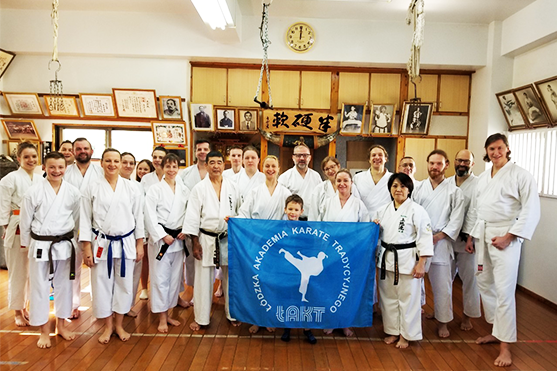
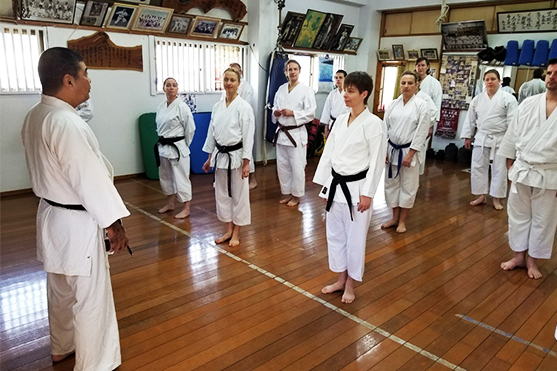
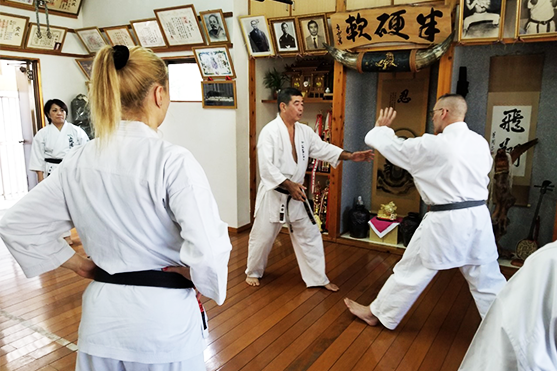
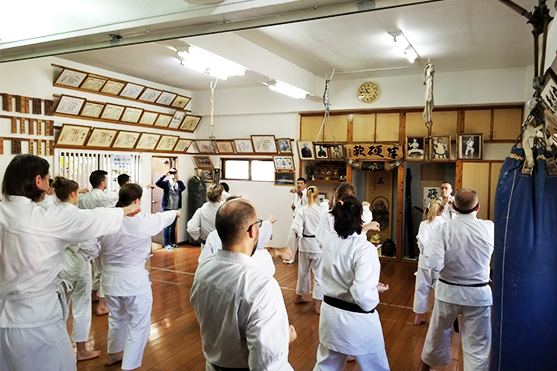
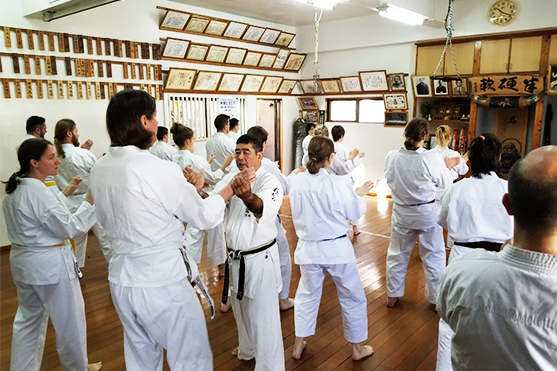
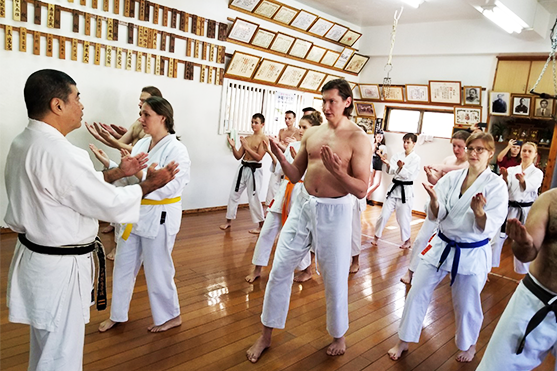
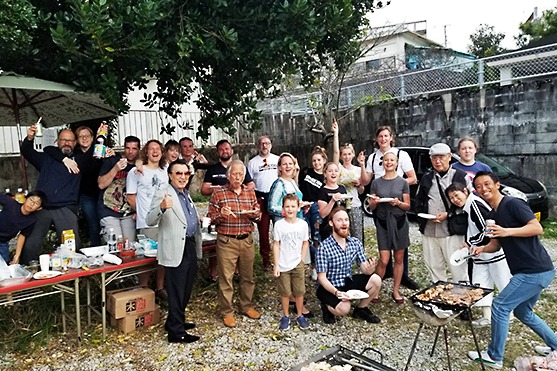
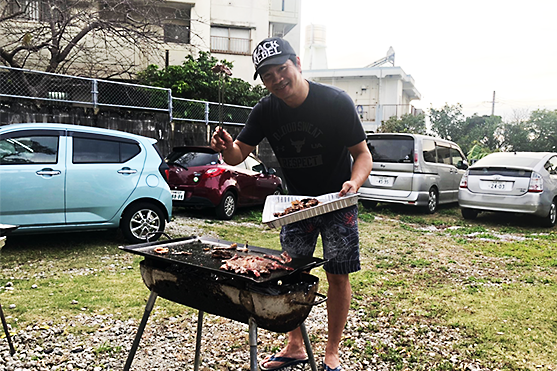
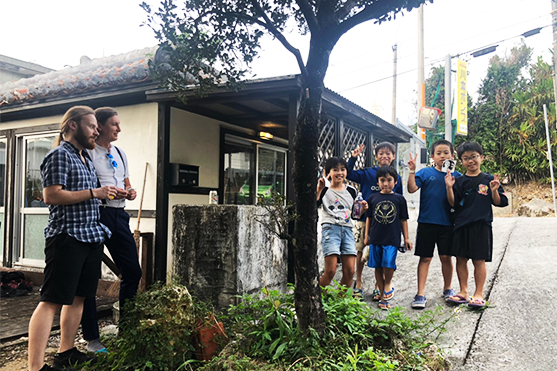
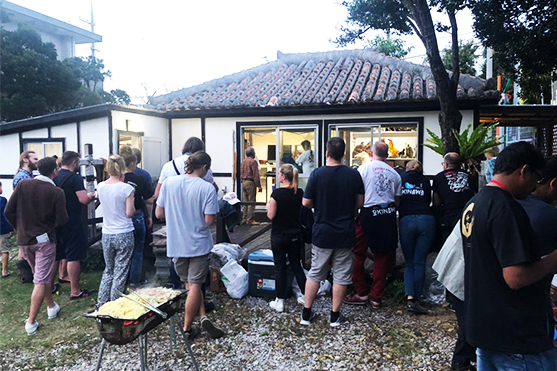
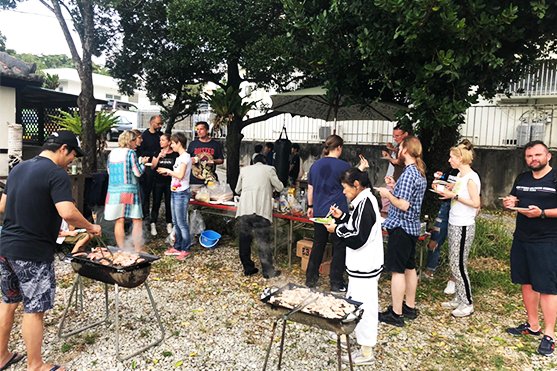
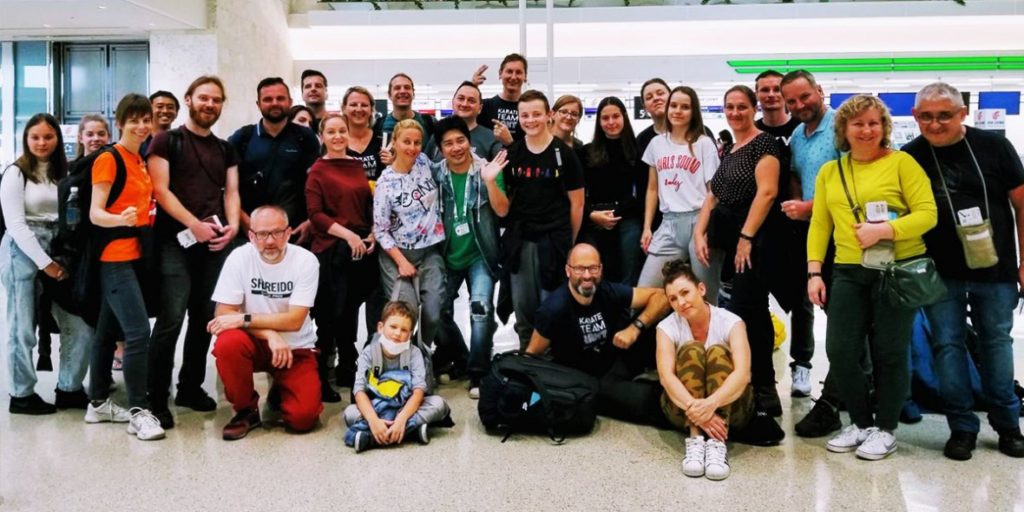
It was wonderful meeting all of you. We hope to see everyone again someday. To know more about Łódzka Akademia Karate Tradycyjnego (ŁAKT), please click here.