



Come and Visit Okinawa’s Churaumi Aquarium

There are many things to do on Okinawa, but I haven’t quite got around to doing most of them even though I’ve been on Okinawa for about 5 years now. One thing for sure that I have done is go to the Okinawa Churaumi Aquarium. I’ve actually been there several times, even before I was living in Okinawa.

When you enter the building of the aquarium, you are first greeted at the door by staff who ask if you want your picture taken with a whale shark in the background. The whale shark is fake of course. Then after purchasing your tickets, it’s time to begin the tour of the aquarium. At the start there is a touch pool that contains starfish and more.

After that it’s fish, fish, different underwater creatures, fish, and more fish. Yes, that’s right, we are at an aquarium.

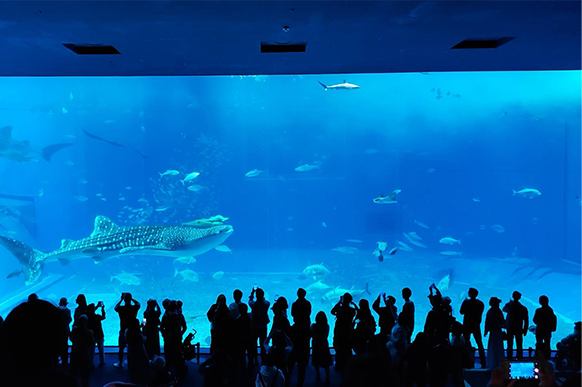
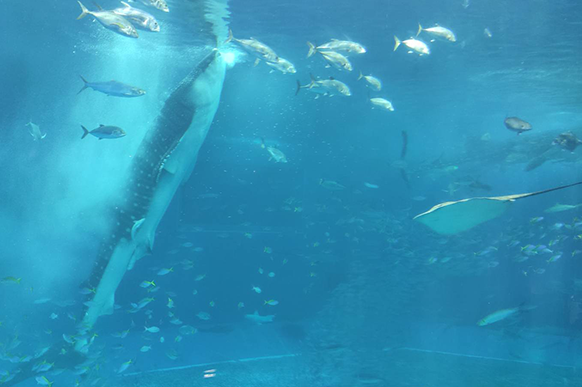
I think the main attraction of the aquarium is what’s called the “Kuroshio Sea Tank”. It is a gigantic tank containing about 70 different species including manta rays and 3 huge whale sharks. If you are lucky enough, you can have you picture taken with all 3 whale sharks in the background. There is also an observation course above the water.

If you get hungry during your walk, there is the Cafe “Ocean Blue” that serves light meals, snacks, and drinks.

The entire park is called the Okinawa Expo Park. The aquarium is located indoors of course and before leaving the building there is a section called the Main Rest House. There you get to see a lot of underwater fossils. There is also the jaws of a shark which is big enough to have you fit in and have your picture taken which I’ve had done a few times.


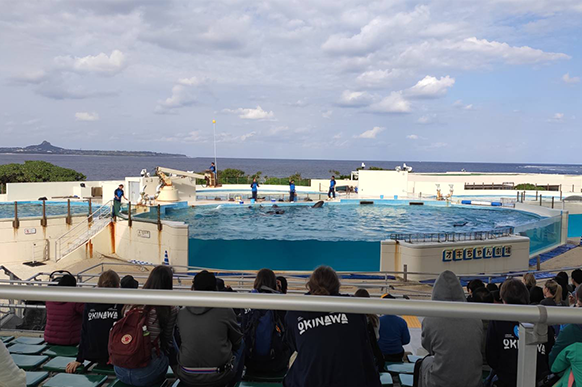
When you step outside you have a few things to check out; Emerald Beach, the Manatee Pool, Sea Turtle Pool, Dolphin Lagoon, the Okichan Theather where they have the dolphin show, and Kids Adventure Land where kids (and adults) can play.

There is actually a lot to do at the park besides the aquarium, and I don’t think most people take advantage of the other things the park has to offer. You can spend an a good few hours at the park. For more information on the park, you can check out their website here.

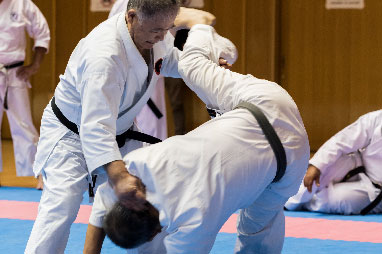
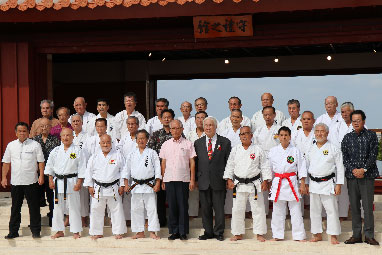
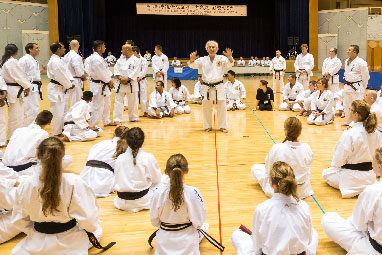
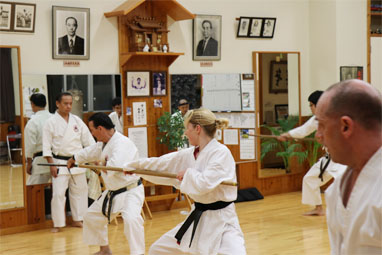
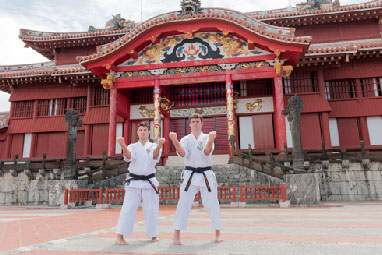
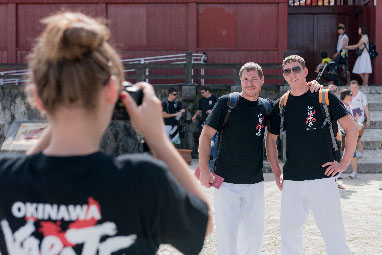
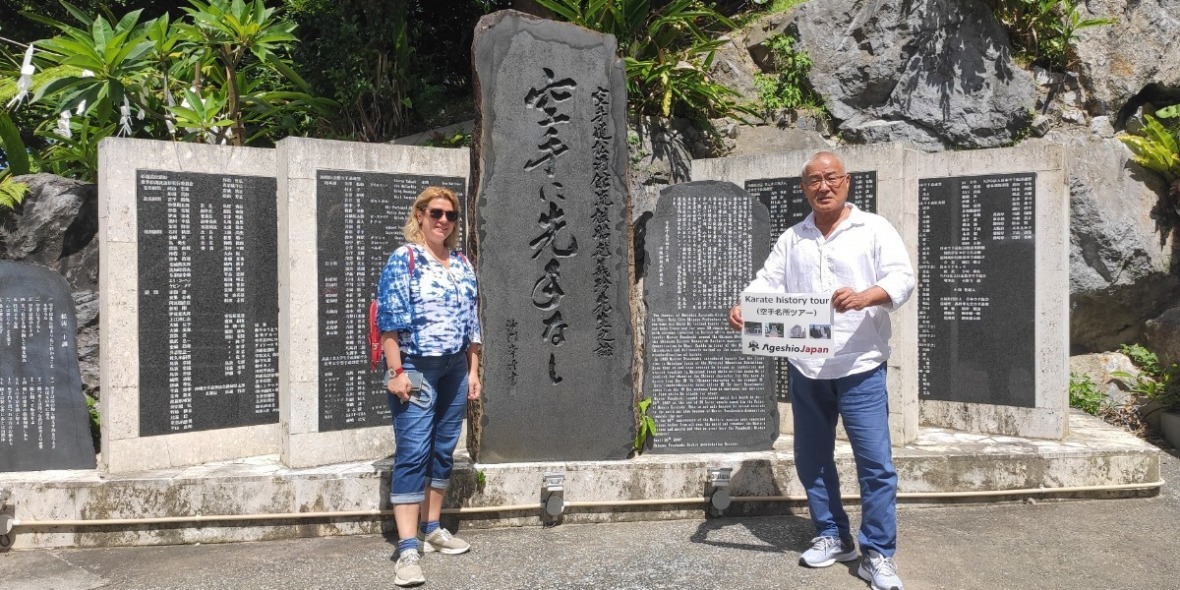
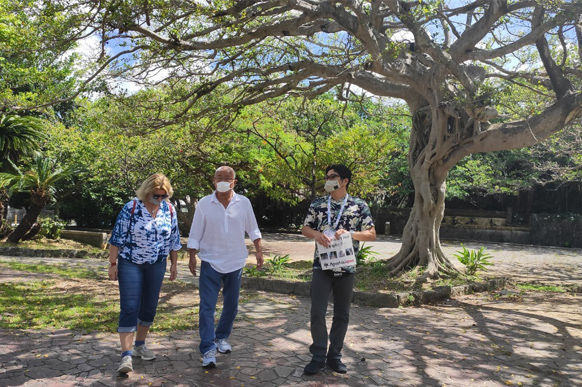
Though we don’t have the program listed on our website, we have done “Churaumi Aquarium Tour” tours. The most recent one we did was in January of this year for a group from Poland. We also arranged dojo training sessions, a Karate History Tour, and a few other programs for them during their stay in Okinawa. You can have a look at photos from their stay here.

If you are interested in visiting the Okinawa Expo Park on your first or next visit to Okinawa, let us know and we will see what we can arrange for you.


And if you thinking about maybe having some dojo training while in Okinawa, have a look here for more of the programs we have to offer.

Thank you for reading. Until the next blog, continue to stay safe and well.

Ootoya – authentic, homestyle Japanese dishes

Now if there is thing that you must do when you come to Okinawa is to have authentic, homestyle Japanese dishes. I am not an expert gourmet but I know good food when I have it. Ootoya Gohan Dokoro OOTOYA, or just Ootoya for short, is a chain restaurant which I am happy to say is a restaurant with food that will satisfy almost everyones’ tastebuds.

On the menu there are tons of food to choose from, some that are grilled or boiled. I find the food to be not only healthy, but also very well presented.

There are around 17 Ootoya restaurants in Okinawa, and over 200 in the rest of Japan. Tokyo alone has 198 restaurants. Most of ones in Okinawa are located in the southern part in places like Naha or Ginowan.

Though I don’t go there too often as I used to, whenever I am craving some authentic Japanese food, Ootya is always at the top of the list. The next time you are in Okinawa, or even in Japan, be sure to stop by Ootoya Gohan Dokoro OOTOYA.

Lift Your Yoga Workouts With Tweaks Technology

Hello there everyone. We would like to share an article with you which was written by a ZENthusiast named, “Sheila Johnson”. It is on the ever-so popular spiritual and physical discipline yoga.

Enjoy reading.

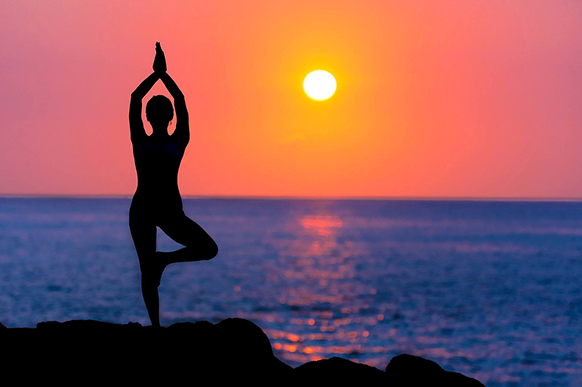
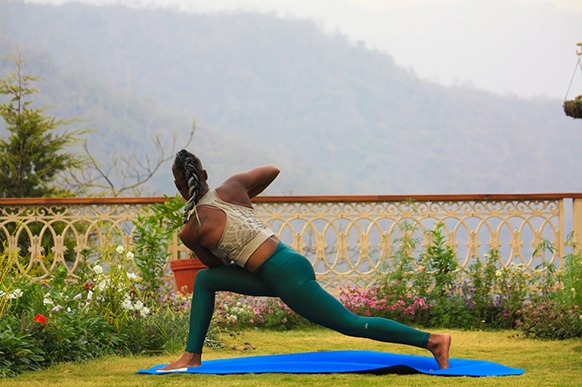
Is your yoga regimen feeling a little stale? If you’ve been practicing yoga for a while now, it might be time to consider upping your game. There are plenty of ways to do just that, and it all starts with you.

Do a Self-Check

Maybe the reason yoga seems pretty same-old-thing is because it is. Of course, leaving your comfort zone and trying new things can challenge your confidence. After all, you’re probably pretty comfortable with how you’re doing right now. Why risk failing at something new and more difficult?

The answer to that lies in knowing that failure is okay, and in fact, it can lead to growth. It’s been said many times that the only way to really fail is not to try. What’s more, Self explains that doing something new is healthy. Not only does it stretch your body, it stretches your mind. Even if things don’t go smoothly, trying, doing your best, and moving forward will give you a confidence boost. So give yourself the gift of trying something new and challenging!

Yoga Props and Accessories to Try

If you’re going to up your yoga game, you’re going to need some more equipment. After all, you’ve probably done everything you can with your current yoga gear. Besides, there’s something inspirational about using new gear. It practically begs you to try out new movements with it!

A knee pad provides extra cushioning that aging or damaged joints need. It alleviates painful pressure on your weight-bearing joints so that you can practice more comfortably. It’s also handy for practicing outdoors, so you can enjoy a more versatile routine.

Ready to aim higher in a literal manner? Yoga Journal notes standing on sturdy yoga blocks can make your balance poses more challenging and even exhilarating!

A stability or balance ball allows you to add variety to your practice and improve your balance while doing it. Using one regularly will also improve your core stability and posture while increasing your strength and flexibility. Sitting on a ball engages multiple muscles in a way that static sitting in a chair can never match. Heck, you can even tote it to the TV and snag a workout while bingeing your favorite shows.

A portable suspension device allows you to challenge yourself with those sometimes scary advanced poses. Secured within a sling, harness or hammock, you can concentrate on proper alignment and balance without worrying about falling. Working in a suspension harness is also great for improving your flexibility and strengthening your core.

Add Technology to Your Yoga Routine

Adding a great yoga practice app like Yoga Studio or Pocket Yoga to your phone will let you practice whenever, and wherever, you find yourself with a few minutes to spare. There are also apps to inspire and encourage you. You can even set weekly or monthly yoga goals on your smartphone and use it to keep track of your progress toward them!
If your current phone plan just isn’t able to support your growth, consider a fresh option like a prepaid plan. In these plans, you get to pick the plan, users, and phone that matches up best with your needs, and can even upgrade to a new device if you want.

Putting It All Together

Gather your new yoga gear, put on some great music, pull up today’s lesson on your favorite yoga app, and start practicing. Your body and mind will both thank you for your efforts on their behalf! They’ll also thank you for the deep relaxation after a challenging workout. And wasn’t that the whole idea of yoga in the first place?


Remember that we have a Zen program. Please click here for more information on our Zen program.

We hope you learned a few new things you can try the next time you do yoga. I sure have. Thank you so much, Sheila Johnson.

Have a nice workout everyone.

Keibin-eki Kariyushi-ichi – An Okinawan Farmers Market

Hello there everyone. I hope you are doing well and eating healthy. Speaking of which, yesterday I had an errand to run, and on my way home I decided to stop by the local farmers market for some vegetables. Though I could have just gone to the supermarket, there was something I wanted that is rarely sold at supermarkets, or at least supermarkets in my area.

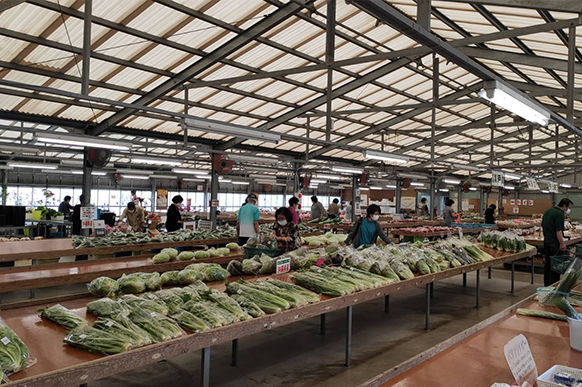
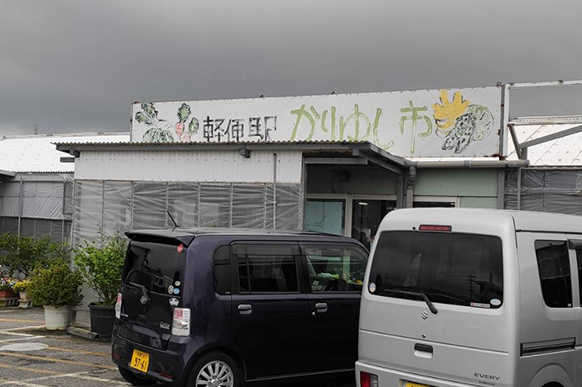
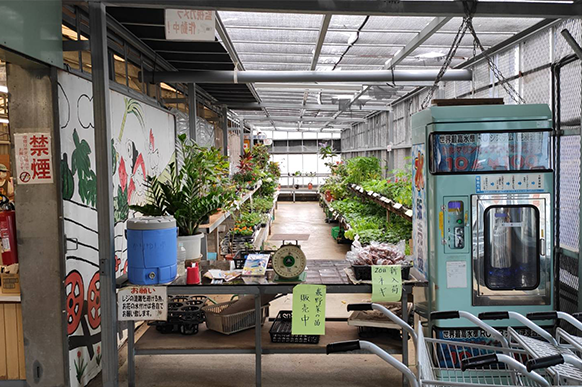
This is a photo of the farmer’s market a couple of kilometers from where I live. It’s called, “Keibin-eki Kariyushi-ichi” but the locals call it Kariyushi for short. The market is located in Nanjo City which is about a 30-minute drive from the Naha area.

The most common farmers markets however are the JA Farmers Markets, usually with the name of the village somewhere in the name. JA stands for Japan Agricultural. The markets are nice but are usually too crowded.

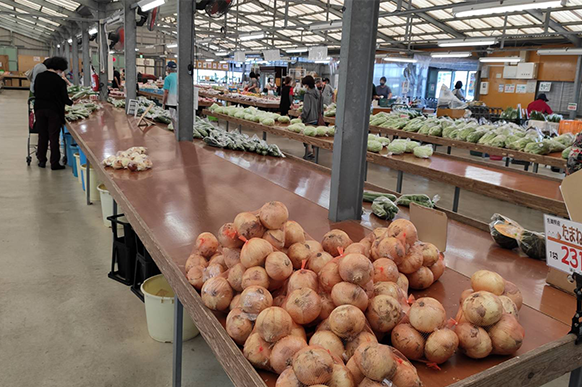
The Keibin-eki Kariyushi-ichi carry everything from fruits and vegetables to baked goods, eggs, and dairy products.

They also carry some locally prepared foods like tempura, miso paste, and fruit jam as a complement to the agricultural products they sell.

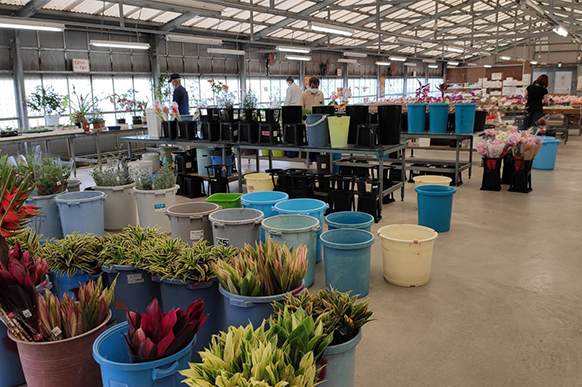
In one section of the market they sell flowers and plants. They usually have nicely arranged flowers to fit the occasion such as Mother’s Day or Valentine’s Day. During the first week of the new year, my family and I go to the market to get New Year’s flowers.

In another section of Kariyushi they sell potted vegetables, herbs and plants. I’ve bought a few before and they are reasonably priced. You’ll notice on the right side of the picture above that there is a machine. Water is sold. If you have the right bottle, you can get 10 liters of water for 100 yen.

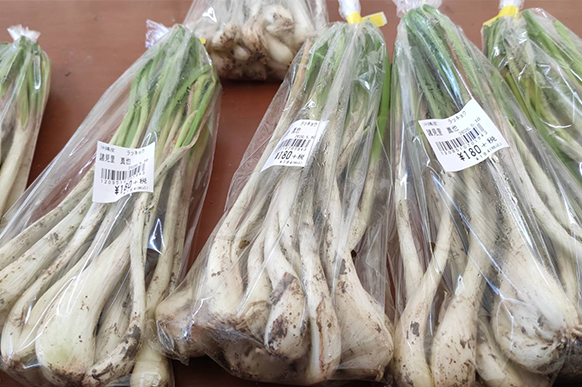
This is what I wanted. It’s called “Shima Rakkyo”, directly translating to “Island Shallot”. It can be prepared in different ways like deep fried as tempura, but we like to pickle the shima rakkyo. First we wash the shima rakkyo, and then cut off the leaves. Then we place the shima rakkyo in a ziploc, adding some salk and making sure each shima rakkyo is completely covered in salt. If you are in a hurry to eat it, then you could leave it in the fridge for about 30 minutes before preparing it for eating. We like to leave it in the fridge for at least a day. When it’s ready, we place the shima rakkyo in a small serving bowl and sprinkle bonito flakes onto the shima rakkyo, and then voilà.

You can have this as a snack or as an appetizer. It goes well with beer or awamori.

Sorry, I was too hungry at the time that I didn’t take any photos of the finished product.


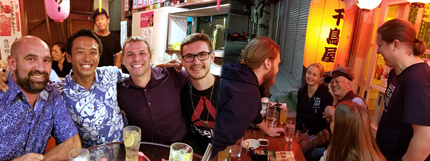
Since it would be difficult for anyone travelling to Okinawa to prepare pickled shima rakkyo, we could take you on our Sakaemachi Market Bar Hopping Tour where you would be able to try not only pickled shima rakkyo but also experience the local night life. Please click here for more information.

Please be sure to add a farmers market visit to your Okinawa itinerary.

Have a nice day everyone.

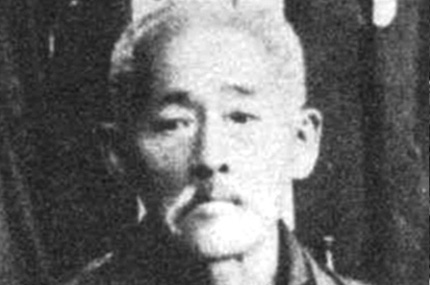
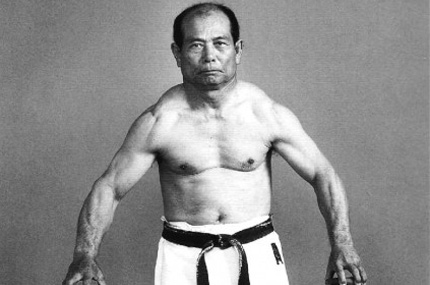
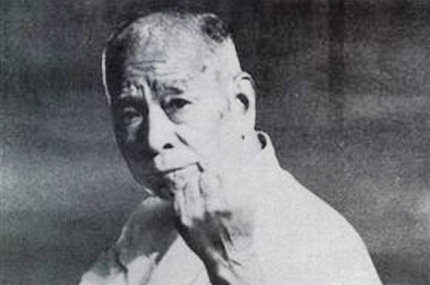
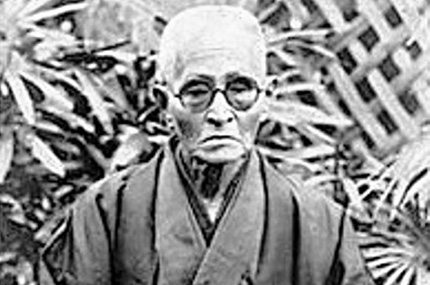
Okinawan Karate Pioneers


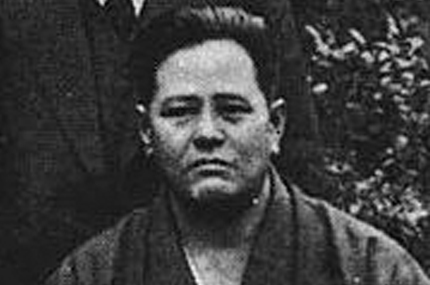
Chojyun Miyagi

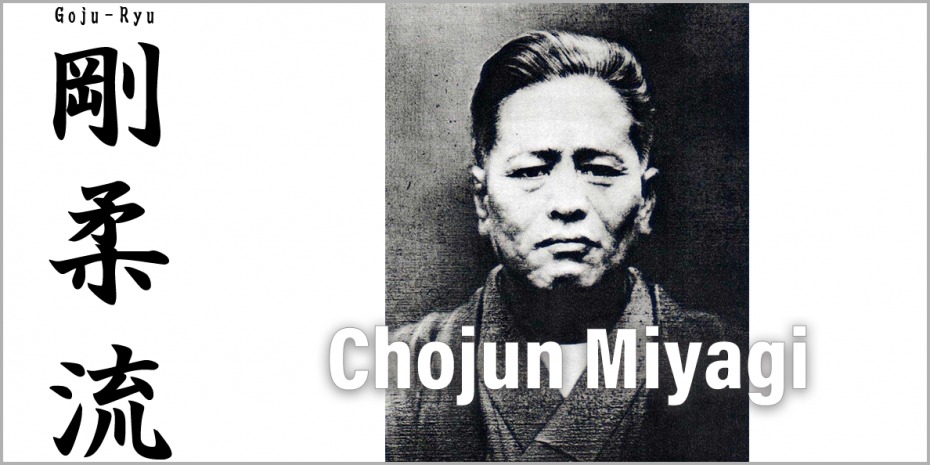
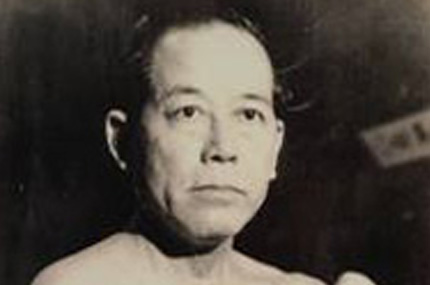
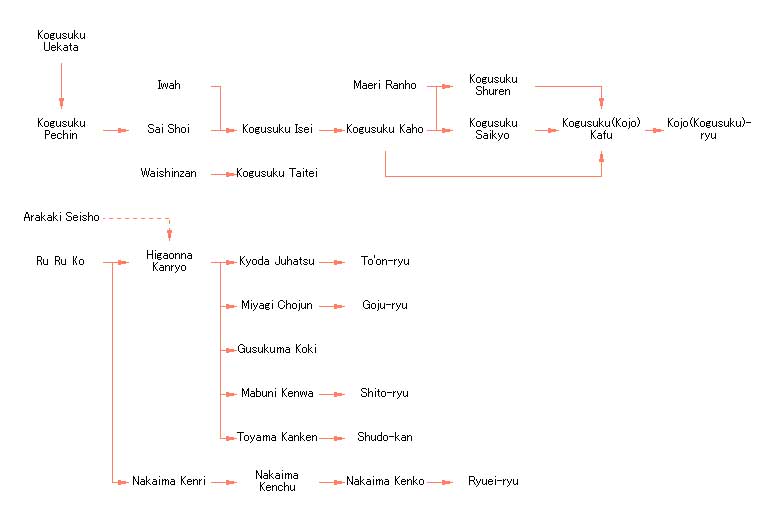
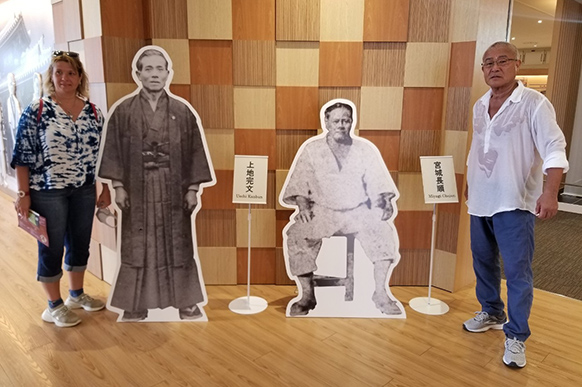
Chojun Miyagi (宮城 長順) is the founder of Goju-ryu(剛柔流) Karate. He was Okinawan martial artist who founded the school of karate by blending Okinawan and Chinese influences. He studied under the Naha-te master Kanryo Higaonna. After Kanryo Higaonna’s death, Chojun Miyagi learned some local Chinese martial arts in China. He traveled to Fujian and Shanghai to train and research southern Chinese Boxing.

Kanryo Higaonna
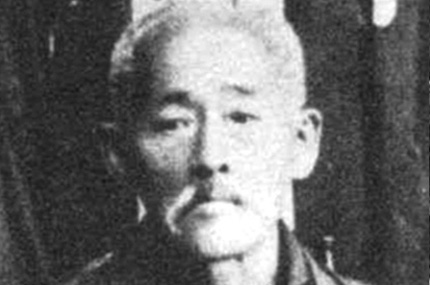
Kanryo Higaonna(東恩納 寛量) also known as the Ryukyuan martial artist who founded a fighting style known at the time as Naha-te. He went to study martial arts in China Fuzhou from 1876 to 1888. He returned to Okinawa with those skills. His student, Chojun Miyagi, would later found Goju-ryu Karate(剛柔流). Several of Kanryo’s students went on to become influential masters of what came to be called karate, He has the greatest influence on masters who include Chojun Miyagi, Kenwa Mabuni, Kyoda Shigehatsu, Koki Shiroma, Higa Seiko, Tsuyoshi Chitose and Gusukuma Shinpan.

Kenwa Mabuni
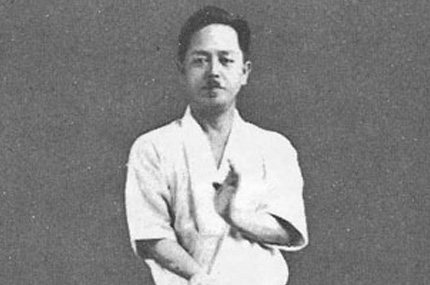
Kenwa Mabuni(摩文仁 賢和) was the founder of Shito-ryu(糸東流). He was one of the first karateka to teach karate on mainland Japan, and was credited for developing this style. Born in Shuri on Okinawa in 1889, he studied and reserched both Shuri-te(首里手) and Naha-te (那覇手) , and began his training in the art of Shuri-Te at the age of 13 under Anko Itosu (糸州 安恒) . After that, he began to learn Naha-Te under Kanryo Higaonna(東恩納 寛量). Mabuni derived the name for Shito-ryu(糸東流) from the first Kanji character in their names, “Shi (糸)” from Ito(su) and “To (東)” from Higashi(onna). Kenwa Mabuni passed away on May 23, 1952.

Anko Itosu
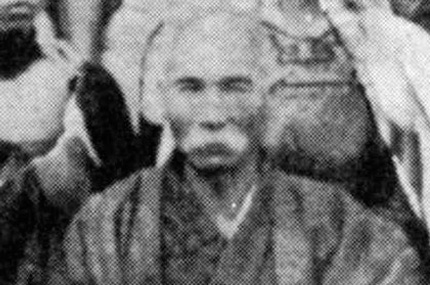
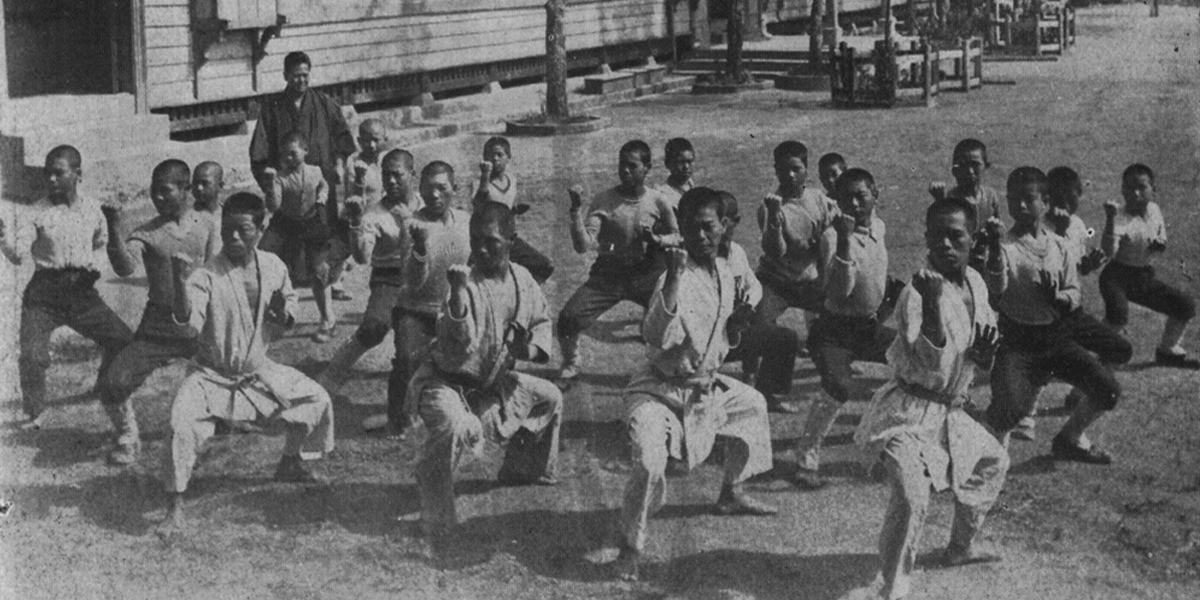
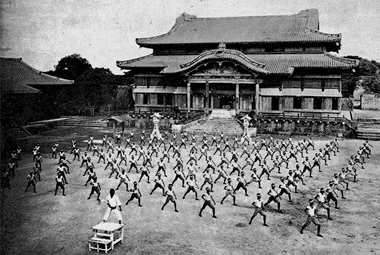
Anko Itosu (糸州 安恒) is considered by many the father of modern karate. He was born in Ishimine, Shuri in 1831. He was a master of Karate that was active in the Ryukyu Kingdom period through the Meiji Period. He made karate accepted as part of the regular physical education curriculum in the school system, and is also known as the first person to start the “modernization” of Karate. He passed away in 1915.

Anko Itosu
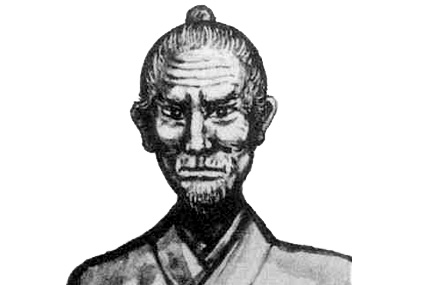
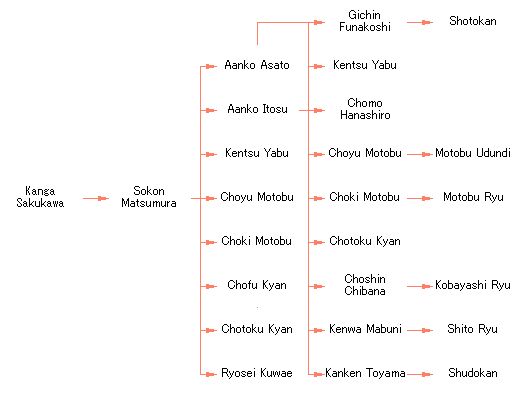
Sokon Matsumura (松村 宗棍) was given the title “Bushi” meaning “warrior” by the Okinawan king in recognition of his abilities and accomplishments in martial arts. Matsumura served as a close advisor and bodyguard to three Ryukyuan kings. This position enabled him to travel widely to places such as Fuchou, Satsuma and the Fukien Shaolin Temple where he studied several forms of Chinese boxing and other fighting styles. His martial arts have been the base of many karate styles, for example, Shorin-ryu, Shotokan, and Shito-ryu. Ultimately, all modern styles of karate that evolved from the Shuri-te lineage can be traced back to the teachings of Bushi Matsumura.

Gichin Funakoshi
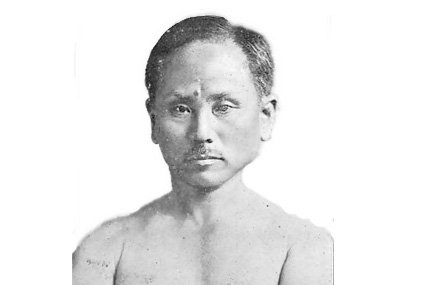
Gichin Funakoshi (船越 義珍) is known as the founder of Shotokan Karate (松涛館), the most widely known style of karate, and is attributed as being the “father of modern karate”. Following the teachings of Anko Itosu and Anko Asato, he went to Tokyo to introduce the Okinawan martial art. He was one of the Okinawan karate masters who introduced karate to mainland Japan in 1922. He taught karate at various Japanese universities and became the honorary head of the Japan Karate Association upon its establishment in 1949. Funakoshi’s famous words “Karate Ni Sente Nashi (there is no first attack in Karate)”.

Choshin Chibana
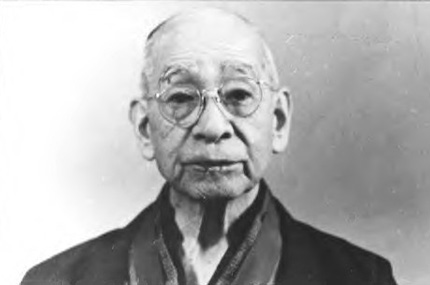
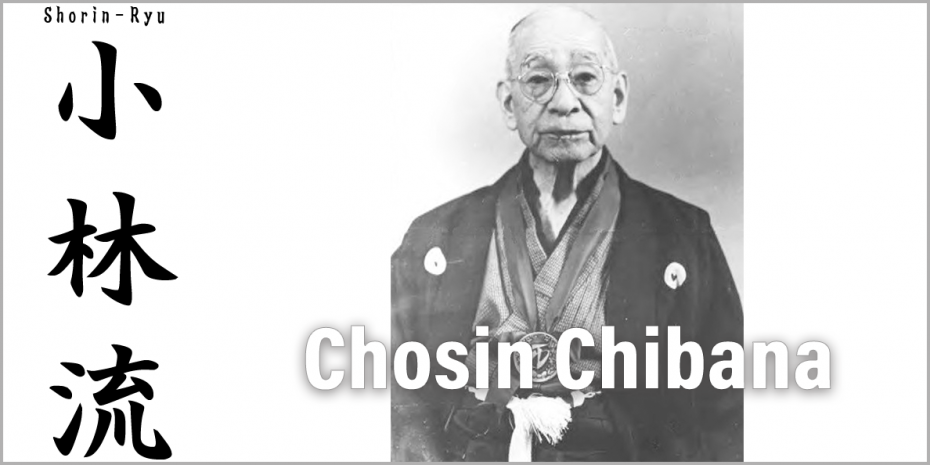
Choshin Chibana (知花 朝信) was an Okinawan martial artist who developed Shorin-ryu (小林流), a karate based on what he had learned from Anko Itosu. In 1928, Chibana Choshin was born on June 5th, 1885 in Shuri. Choshin began his study of martial arts when he was 15 years old. He was the first to establish a Japanese ryu-ha name for an Okinawan Karate style. He taught Karate at the Shuri Police Academy. In 1956, he became the President of the Okinawa Karate Federation. Chibana had received the title of Hanshi (High Master) from the Dai Nippon Butokukai. In 1960, he received the First Sports Award for his overall accomplishments in the study and practice of traditional Okinawan Karate-do.

Chotoku Kyan
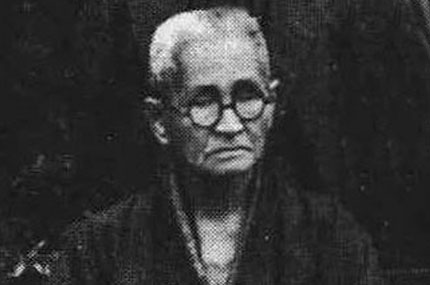
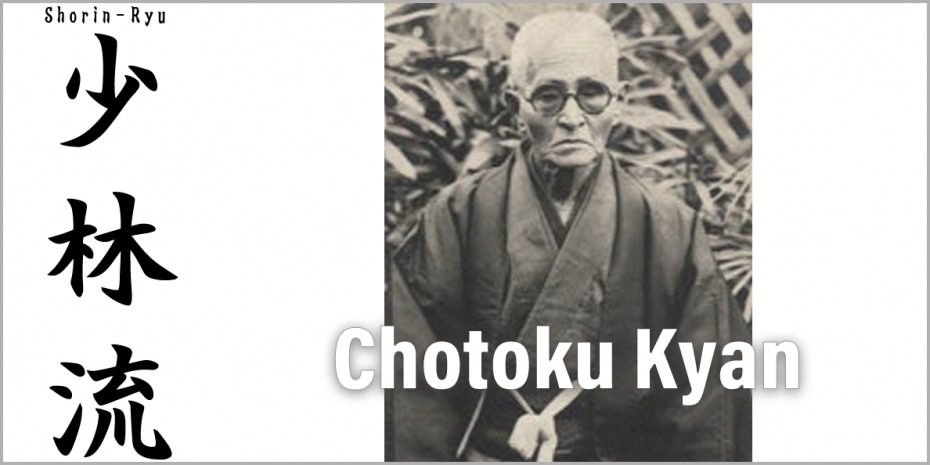
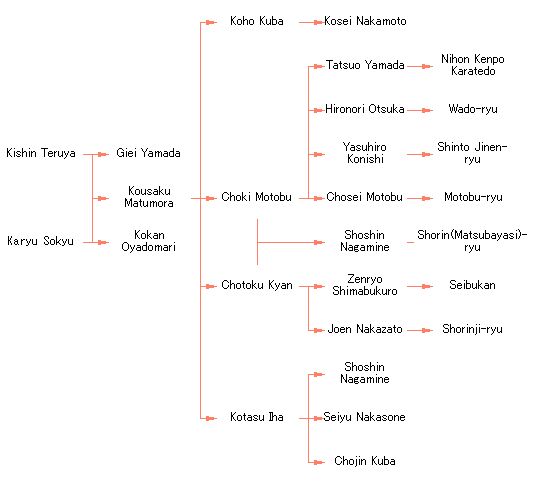
Chotoku Kyan (喜屋武 朝徳) was an Okinawan Karate master who was famous for both his Karate skills and his colorful personal life. He had a large influence on the styles of Karate that would become Shorin-ryu (少林流). From the age of 16, Chotoku studied under Matsumura Sokon for two years. He moved to Tokyo and stayed there for 9 years. After returning to Okinawa, he began studying Tomari-te under Kosaku Matsumora from the Tomari village. While at 30 years of age, he was considered a master of the Karate styles known as Shuri-te and Tomari-te. Kyan was also was responsible for having Karate introduced into the curriculum of the Okinawa Prefectural Agricultural School where he taught.

Shoshin Nagamine
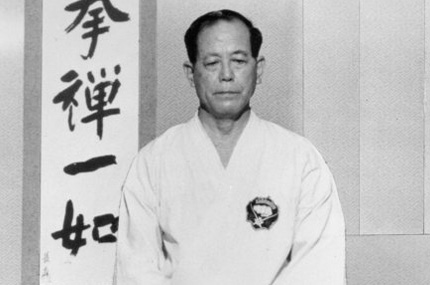
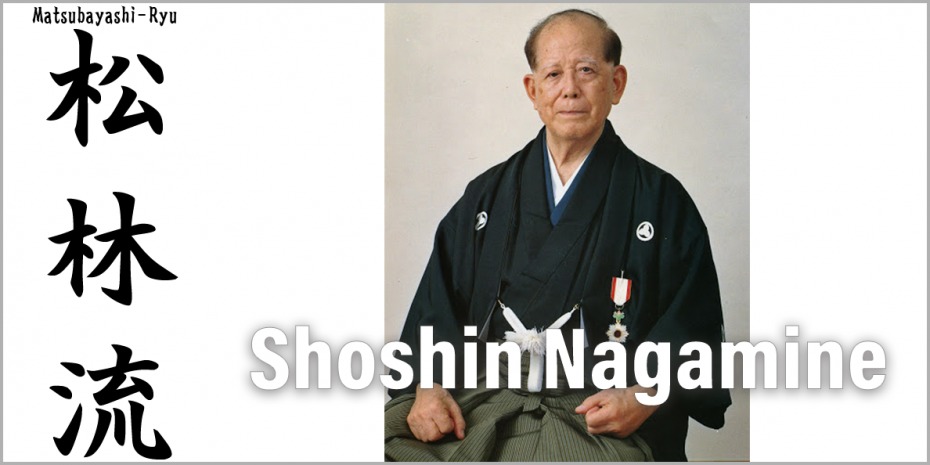
Shoshin Nagamine (長嶺 将真) was a Japanese author from Okinawa as well as a soldier, police officer, and Karate master. He was the founder of the style of Karate Matsubayashi-ryu. Nagamine was born in Naha in 1907. He was born in Tomari, Okinawa. After graduation in March 1928, he began to study martial arts, moving to Shuri and training under Zenryo Shimabukuro (島袋善良) and Ankichi Arakaki. He became the first vice chairman of the Okinawa Karatedo Federation and served as chairman of the Fourth Phase Federation for eight years from 1961 to 1969. In 1977, He organized the World Matsubayashi-ryu (松林) Karatedo Federation.

Kanbun Uechi
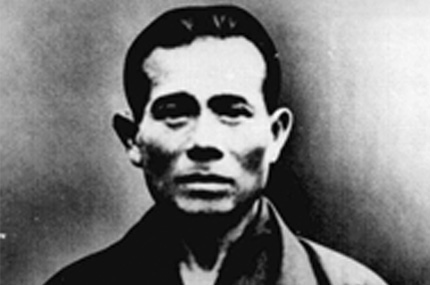
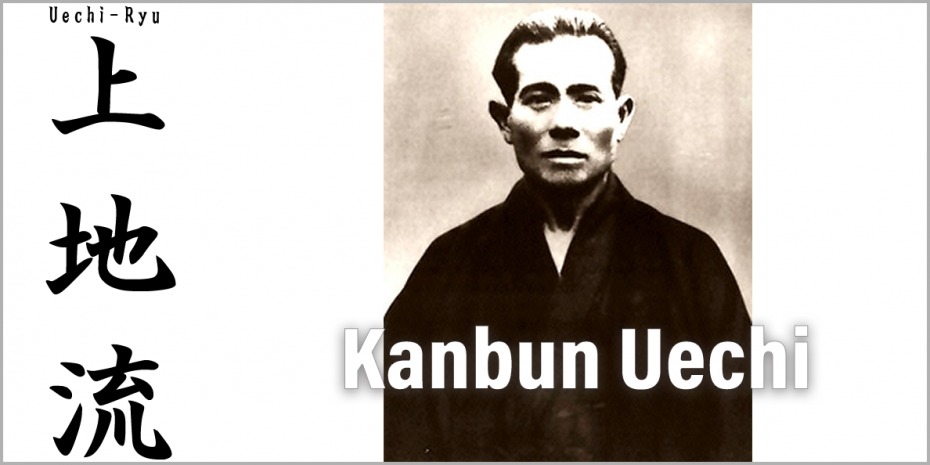
Kanbun Uechi (上地 完文) was the founder of Uechi-ryu, one of the famous Karate styles of Okinawan Karate. Uechi was born in the town of Motobu in northern Okinawa. Uechi took up the study of the Kung Fu system called “Pangai-noon”, under a Chinese master named Shushiwa. Uechi received a certificate of mastery in 1904, and he opened his own dojo in Nansoye, China. After returning to Okinawa, the style he taught was renamed to “Uechi-ryu” Karate in 1940. Uechi-ryu is one of the major styles of Okinawan Karate, and it spread throughout his homeland.

Kosaku Matsumora
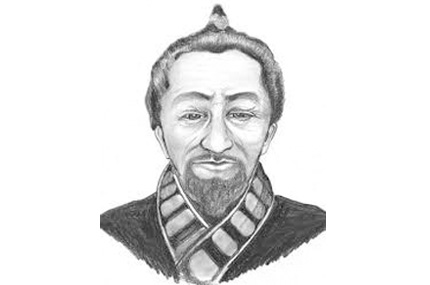
Kosaku Matsumora (松茂良 興作) was a Ryukyu Karate master. He was born in Tomari. He studied and trained Karate in Tomari under Uku Karyu. Matsumora had a very strong sense of justice and he once used his skills to defeat a Satsuma warrior who was terrorizing the citizens of Tomari. Matsumora’s students Choki Motobu and Chotoku Kyan went on to influence next generations.

Information​


To learn more about the history of Okinawan Karate, please join us on our Karate History Tour, a tour you can experience only in Okinawa. Please click here for more information on our Karate History Tours.
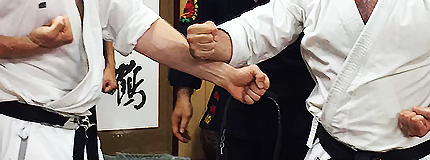

We can arrange a dojo training session or any program based on your requests. Please click here for a list of the many different programs that we have to offer you at Ageshio Japan.



Styles of Okinawan Karate

okinawan-karate-001-slide
okinawan-karate-002-slide
okinawan-karate-003-slide
okinawan-karate-004-slide
okinawan-karate-005-slide


Okinawan martial arts refers to martial arts, such as karate, tegumi and Okinawan kobudō, which originated among the indigenous people of Okinawa. Due to its central location, Okinawa was influenced by various cultures with a long history of trade and cultural exchange, including Japan, China and Southeast Asia, that greatly influenced the development of martial arts on Okinawa.

We would like to introduce you to five main styles: Goju-ryu, Uechi-ryu, Shorin-ryu (小林流&少林流), and Matsubayashi-ryu. Below you will find a short introduction to each style.

Goju-ryu

Goju-ryu (剛柔流) is one of the main traditional style of Okinawan Karate, featuring a combination of hard and soft techniques. Kanryo Higaonna (1853-1915) was known as the highest authority of Naha Te. He and his successor Chojun Miyagi (1888-1953) made several basics. Go means hard, refers to closed hand techniques or straight linear attacks, Ju means soft, refers to open hand techniques and circular movements. Goju-ryu incorporates both circular and linear movements into its basic method, combining hard striking attacks such as kicks and close hand punches with softer open hand circular techniques for attacking, blocking, and controlling the opponent, including locks, grappling, takedowns, and throws. Breathing method is also very important.

Please click here for a list of Goju-ryu dojos we offer training at.

Uechi-ryu

Uechi-ryu (上地流) is a traditional style of Okinawan karate. Uechi-ryu means “Style of Uechi”. Originally called Pangai-noon, which translates to English as “half-hard, half-soft”, the style was renamed Uechi-ryu after the founder of the style, Kanbun Uechi (1877-1948). Uechi-ryu’s connection with Chinese Shorin-ken means the former shares a similar foundation with Naha-Te despite their separate development. Therefore Uechi-ryu is also heavily influenced by the kung fu from Fujian province. Uechi-ryu training styles are focused only on Sanchin training and body conditioning.

Please click here for a list of Goju-ryu dojos we offer training at.

Shorin(小林)-ryu

Shorin (小林) -ryu is one of the major modern Okinawa styles of Karate and one of the oldest style. It was named by Choshin Chibana (1885-1969) in 1933, but the system itself is much older. Chosin Chibana was a top student of the great master of Shuri-te, Anko Itosu (1831-1915). The characters Shorin (小林), meaning “small” and “forest” respectively and pronounced “shorin” in Japanese, are also used in the Chinese and Japanese words for Shaolin Kung Fu. Shorin-ryu adjusts elements of the traditional fighting styles of Shuri-Te. Shorin-ryu karate is the swift, fast techniques based on the strategy of evasion and in the same time attacking to sensitive spots of the body with hits.

Please click here for a list of Shorin-ryu dojos we offer training at.

Shorin(小林)-ryu

Shorin (少林) -ryu is one of the major Okinawan Karate styles. Chotoku Kyan had a large influence on the styles of Karate that would become Shorin-ryu (少林流). He taught Zenryo Shimabukuro, who studied under Chotoku Kyan for over 10 years. In 1962 Zenryo Shimabukuro built his own Dojo and named it Seibukan, spreading the Okinawan Karate style of Shorin-ryu.

Please click here for a list of Shorin-ryu dojos we offer training at.

Matsubayashi(松林)-Ryu

Matsubayashi-ryu (松林流), is a style of Okinawan karate founded by Shoshin Nagamine (1907-1997). Nagamine named his style in honor of the two most important masters that his teachings were influenced by Sokon Matsumura of Shuri-te and Kosaku Matsumora of Tomari-te. He chose to name the school using the first kanji characters from both master’s names Matsu (松) and the style is pronounced in Japanese “Matsubayashi” (松林). Matsubayashi-ryu is one of the main styles of Karate on Okinawa.

Please click here for a list of Shorin-ryu dojos we offer training at.

Information


We can arrange a dojo training session or any program based on your requests. Please click here for a list of the many different programs that we have to offer you at Ageshio Japan.


Okinawan Karate History


The empty hand of self-defense of the Ryukyu Kingdom was transmitted from China. Seminal martial arts via the Silk Road into China, found their way to Ryukyu. In 1429, the three kingdoms on Okinawa unified to form the Ryukyu Kingdom. When the Ryukyu King came into power in 1477, traning of martial arts was forbidden. Tō-te and Ryukyu Kobudo continued to be taught in secret. The ban training of martial arts continued in 1609 after Okinawa was invaded by the Satsuma Domain of Japan. The ban contributed to the development of Kobudō which uses common household and farming implements as weaponry. The Okinawans combined Chinese martial arts with the existing local variants to form Tō-te (唐手 Tuudii), also sometimes called Okinawa-Te (沖縄手 Uchinaa-dii).

By the 18th century, different types of Te had developed in three different villages–Shuri, Naha and Tomari in different forms. The styles were named Shuri-TeNaha-Te, and Tomari-Te. Well into the 20th century, the martial arts of Okinawa were generally referred to as te and tii (手) in Japanese and Okinawan for “hand”. Te often varied from one town to another, so to distinguish among the various types of te, the word was often prefaced with its area of origin; for example, Naha-TeShuri-Te, or Tomari-TeShuri-TeNaha-Te and Tomari-Te belong to a family of martial arts that were collectively. All these are Karate. Karate (Okinawa-Te) was taught systematically in Japan after the Taisho Era (after 1926).


Different Types of Te

Shuri-Te

Shuri-Te

Shuri-Te (首里手) is a type of martial art indigenous to the area around Shuri before World War 2. Shuri was the old capital city of the Ryukyu Kingdom.

Masters of Shuri-Te

Masters of Shuri-Te

Matsumura Sokon

Itosu Ankō

Asato Anko

Funakoshi Gichin

Motobu Choki

Chibana Choshin

Mabuni Kenwa

Kyan Chotoku

and more.

Naha-Te

Naha-Te

Naha-Te (那覇手) is a type of martial art indigenous to the area around Naha before World War 2. Naha was the old commercial city of the Ryukyu Kingdom and is now the capital city of Okinawa Prefecture.

Masters of Naha-Te

Masters of Naha-Te

Arakaki Seisho

Higaonna Kanryo

Miyagi Chojun

Mabuni Kenwa

Uechi Kanbun

and more.

Tomari-Te

Tomari-Te

Tomari-Te (泊手) refers to a tradition of martial arts originating from the village of Tomari. It is based on an underground empty-handed fighting style native to Okinawa. Tomari-te developed through the influence of Chinese diplomats and other personages skilled.

Masters of Tomari-Te

Masters of Tomari-Te

Motobu Choki

Matsumora Kosaku

Kyan Chotoku

and more.


Information


To learn more about the history of Okinawan Karate, please join us on our Karate History Tour, a tour you can experience only in Okinawa. Please click here for more information on our Karate History Tours.


We can arrange a dojo training session or any program based on your requests. Please click here for a list of the many different programs that we have to offer you at Ageshio Japan.
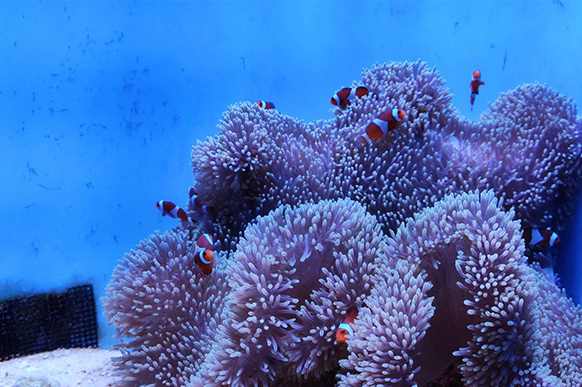


Learning Okinawan Karate

Karate was born in Okinawa, Japan


There are more than 400 Karate Dojos in Okinawa. It is a sacred place where people from all over the world come to learn Karate.

There are three exclusive elements that you can learn here.

1. You can learn the original form of Karate

Okinawan Karate is completely different from mainstream Karate. It is an original martial art form which contains many practical techniques and personality formation as its fundamentalism. It includes rigid physical and mental daily training. Karate learned in Okinawa will not only improve your physical condition but also your mental strength.


2. You can learn from Okinawan Karate masters

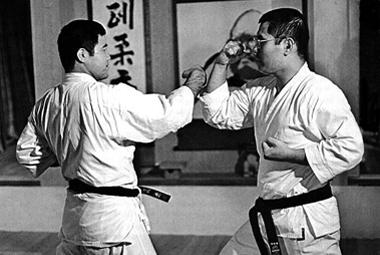
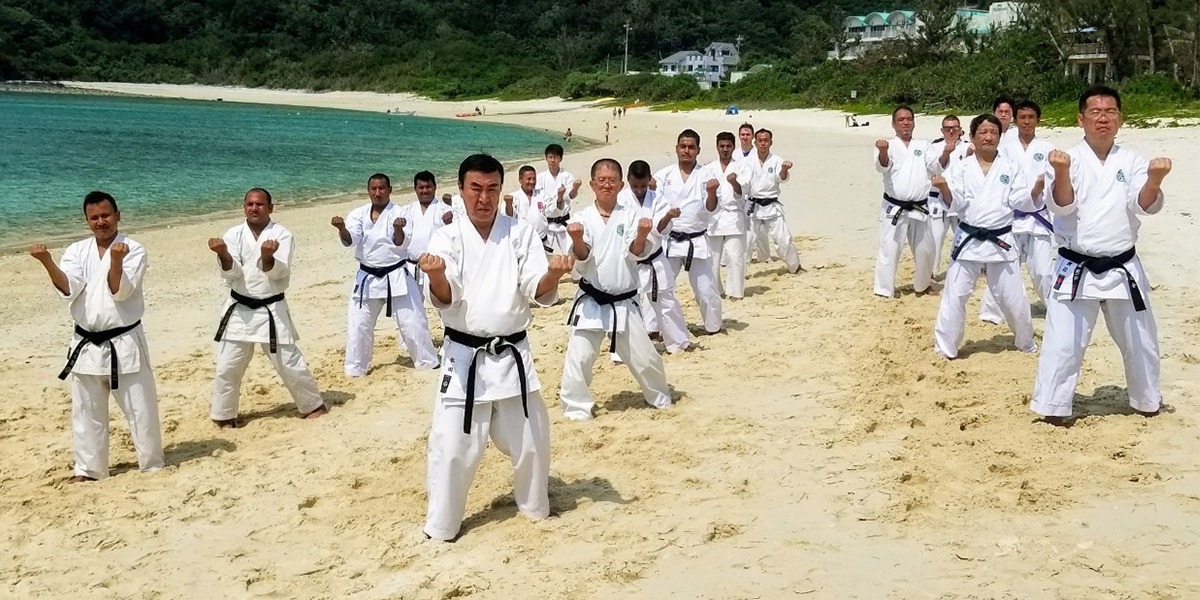
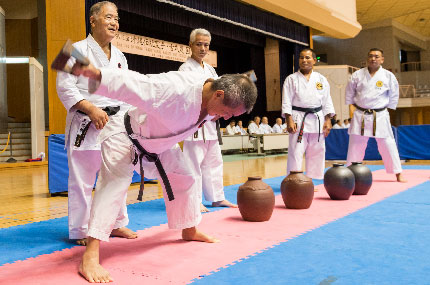
There are more than 400 Karate Dojos in Okinawa, and Karate masters you have seen only in videos exist here. Okinawan Karate is a lifetime martial arts. Some masters are even over 70 or 80 years old but still have incredible skills. You can learn Karate techniques and philosophy from those masters.

Real Okinawan Karate Masters

Karate Workshops

Karate Camps

3. You can feel the Okinawan culture that created Karate

Karate is not aimed at attacking or harming your opponent; it is the contrast, it is about discipline and defense. This philosophy was created in Okinawa and it is what Karate represents. Karate is not just about strength and fighting but also the culture that loves peace and politeness. You can learn Karate in Okinawa where the root of this excellent and peaceful Karate philosophy exists.

Karate Training a Famous Spots

Karate History Tours

Okinawa SightseeingKarate Camps

Information


We can arrange a dojo training session or any program based on your requests. Please click here for a list of the many different programs that we have to offer you at Ageshio Japan.


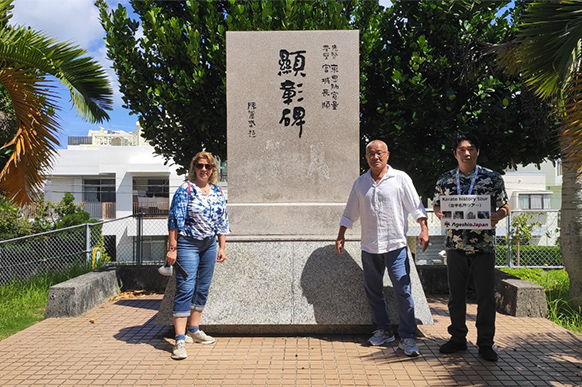
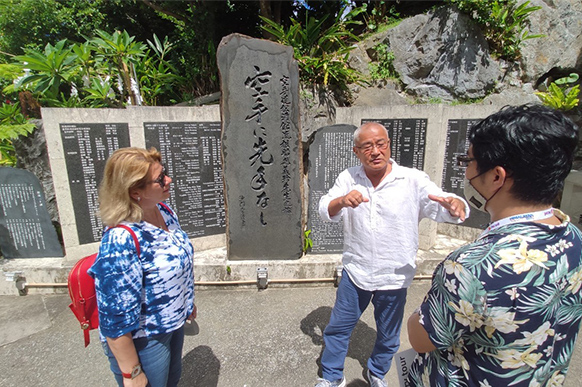
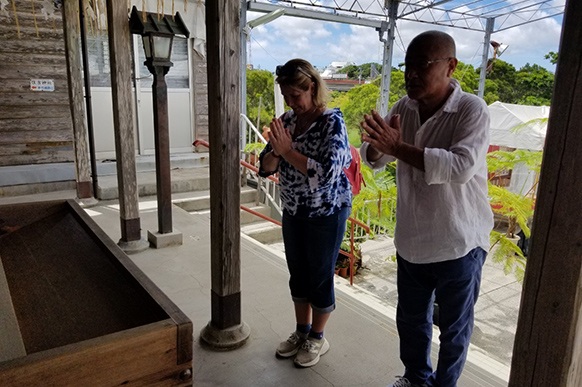
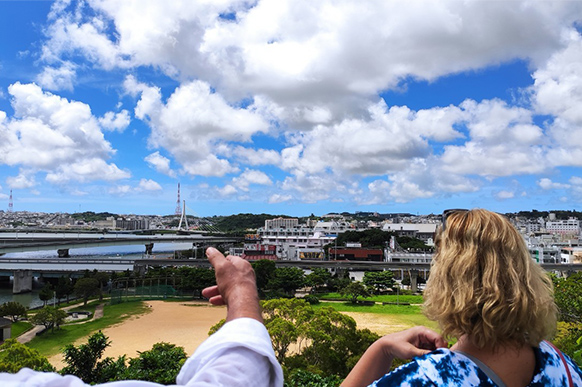
Karate History Tour on July 12th, 2020 – Shidōkan Karate

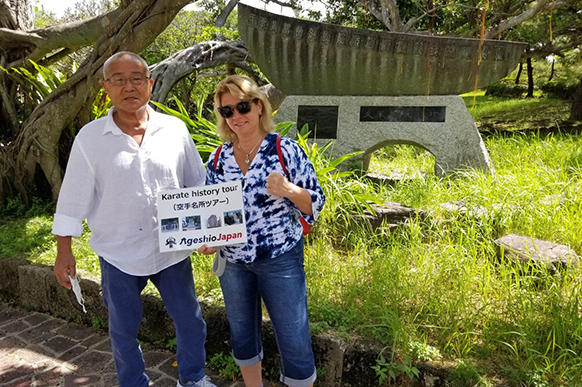
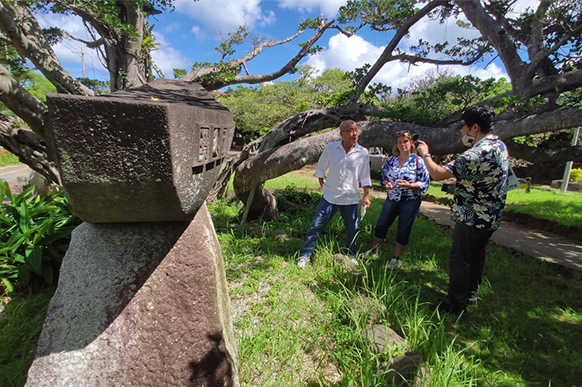
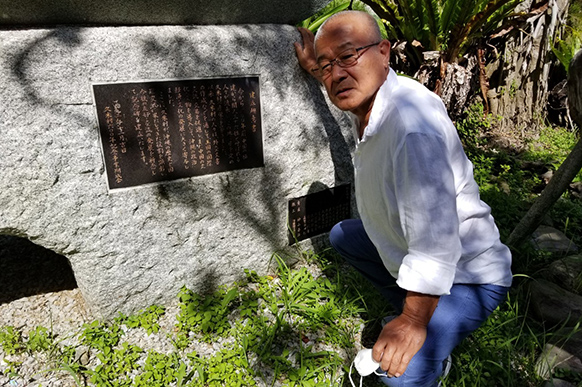
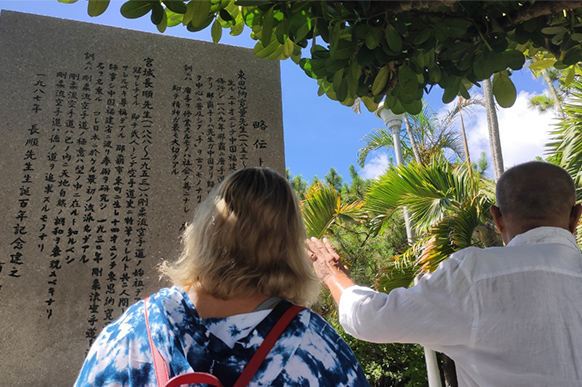
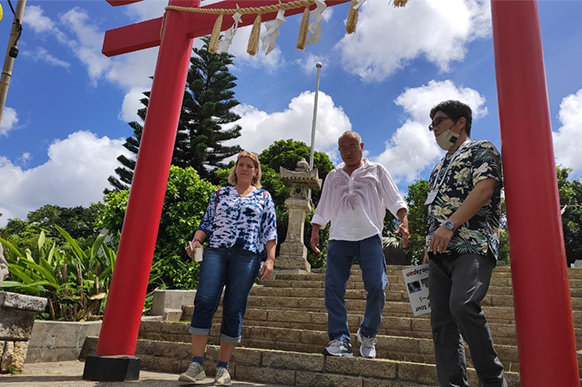
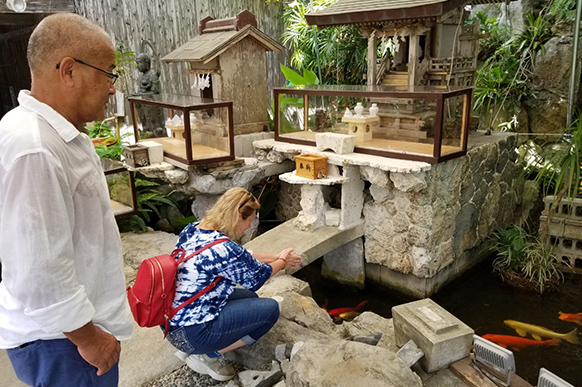
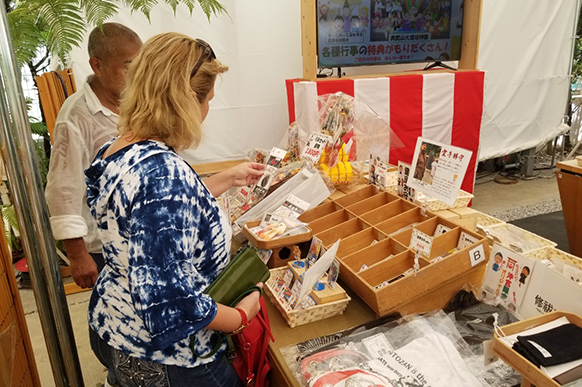
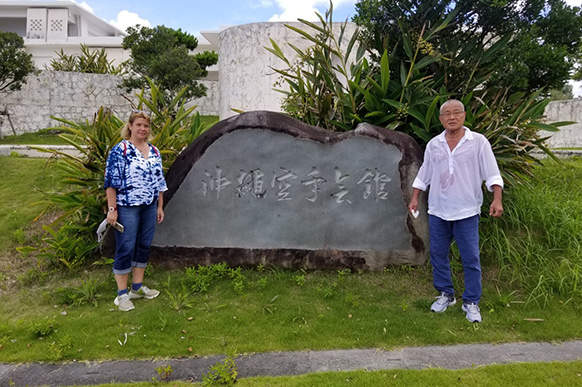
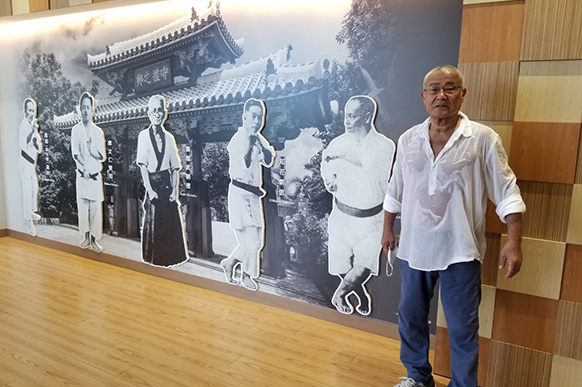
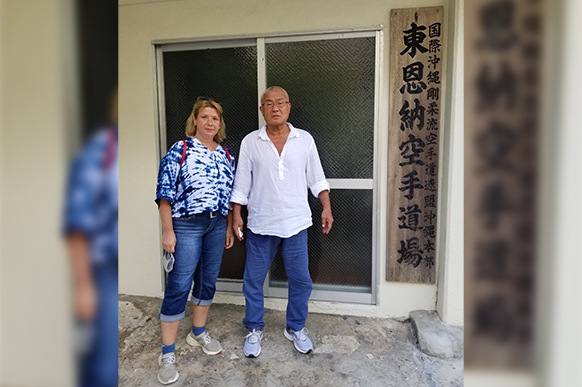
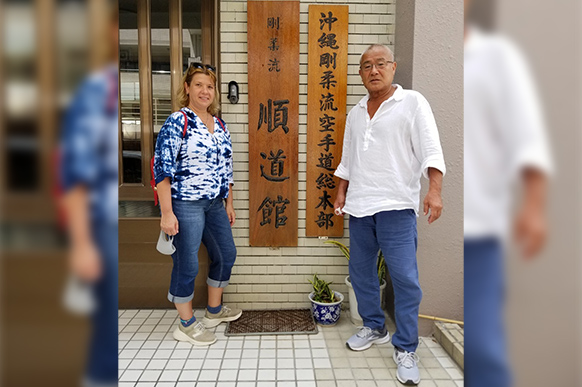
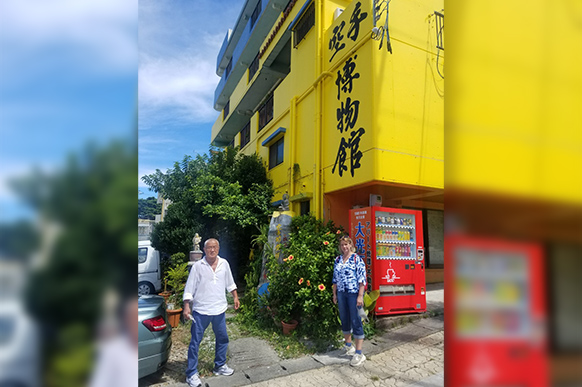
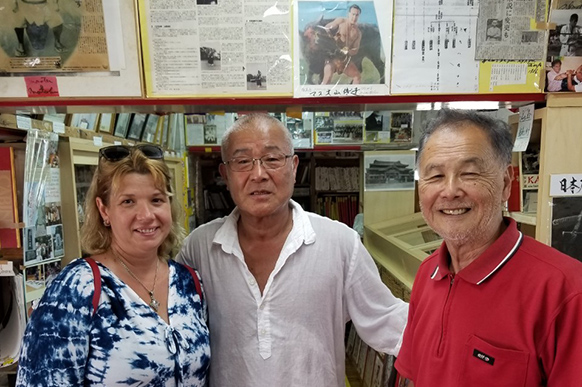
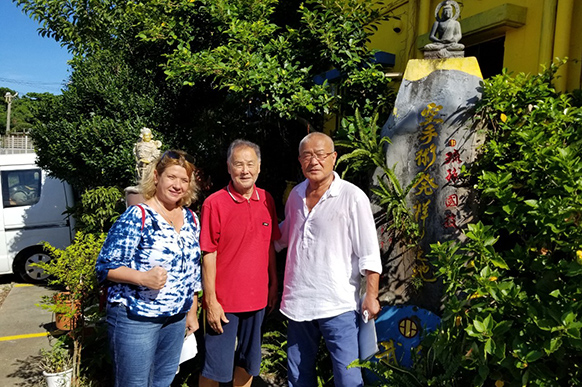
We conducted a Karate History Tour in Naha on July 12th, 2020 for Yoshiji Soeno Sensei and his wife Iuliana Soeno. Yoshiji Soeno Sensei is a Japanese karateka from the Kyokushin Kaikan (極真会館) and a retired professional welterweight kickboxer. He founded Shidōkan Karate, and is also known as The Tiger of Josai. For those of you who know the video game developer and publisher Capcom and its Street Fighter franchise, the character Ryu is said to be based on Yoshiji Soeno Sensei. It was an honor to have done the tour for them.
Matsuyama Park


Okinogu Shrine


Okinawa Karate Kaikan


Dojo Visits


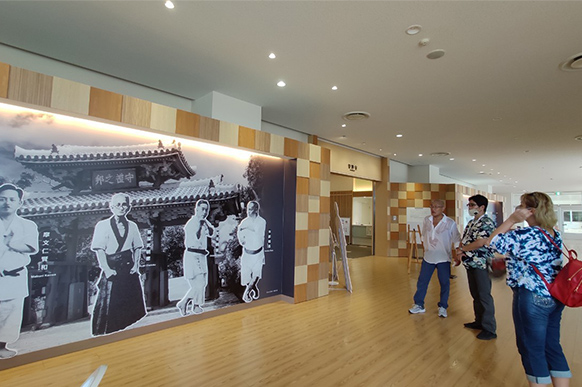
Okinawa Prefecture Karate Museum


Information

We could arrange a tour based on your requests. Please click here for more information on our Karate History Tours.


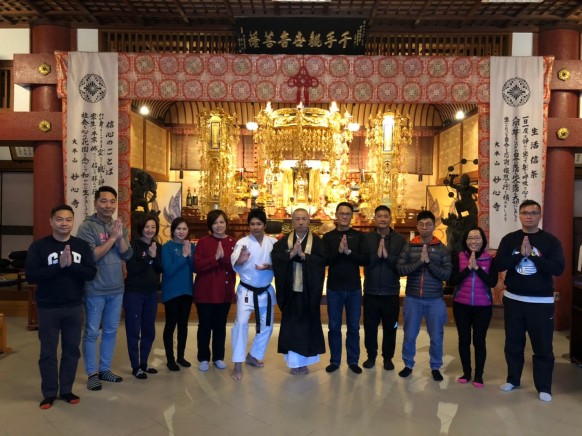
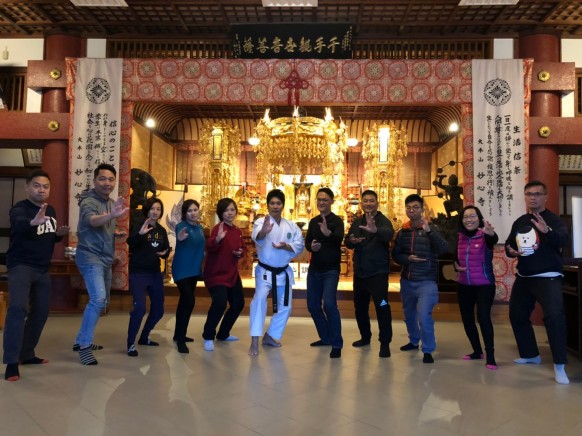
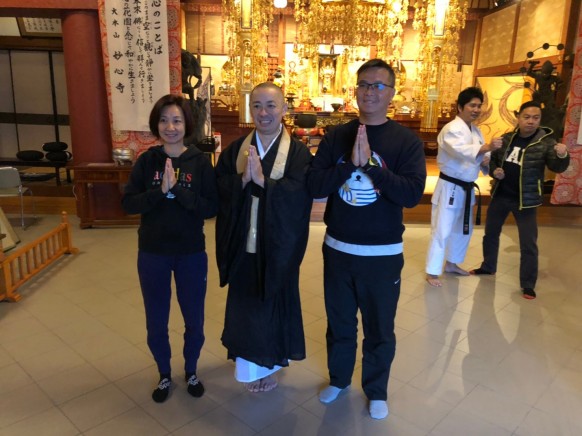
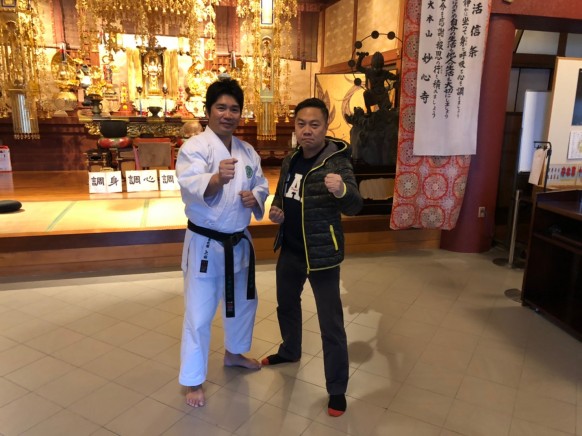
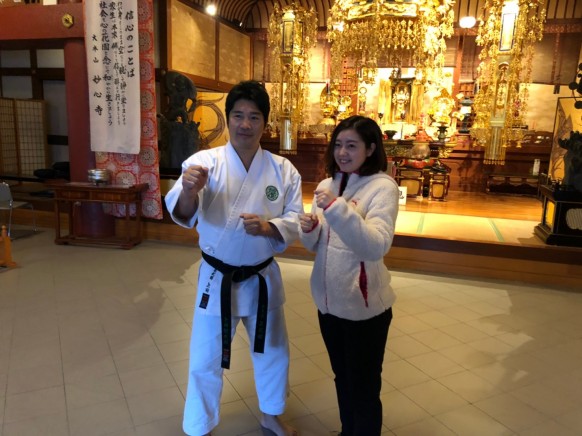
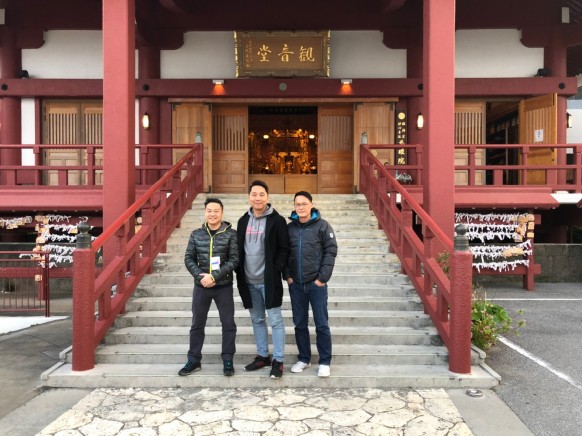
【Report】Zen + Karate Experience Program (FAM Tour for Hong Kong Educational Trip)

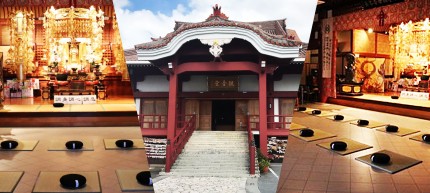
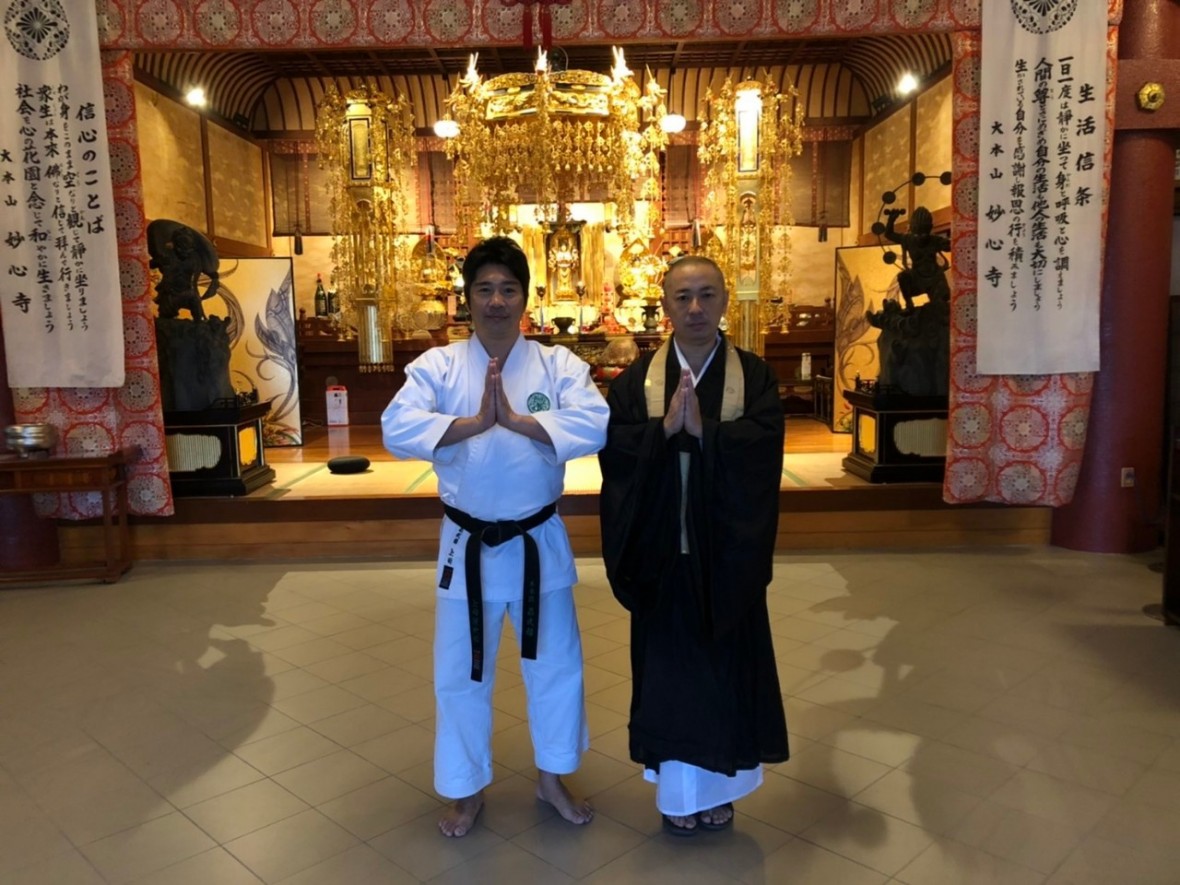
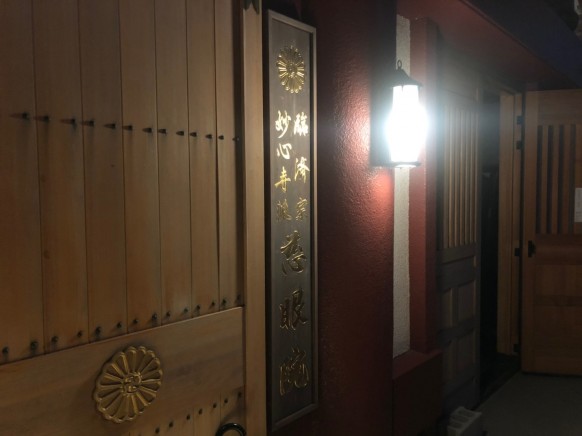
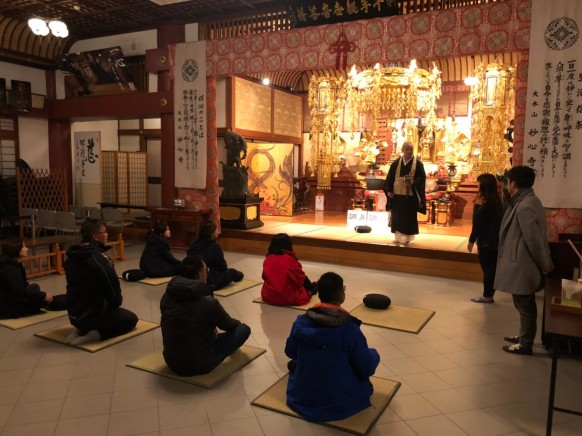
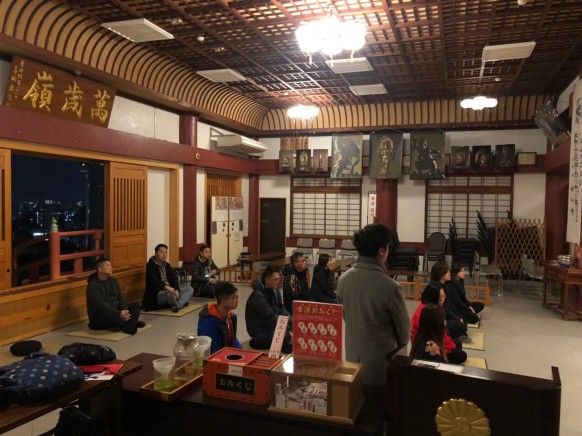
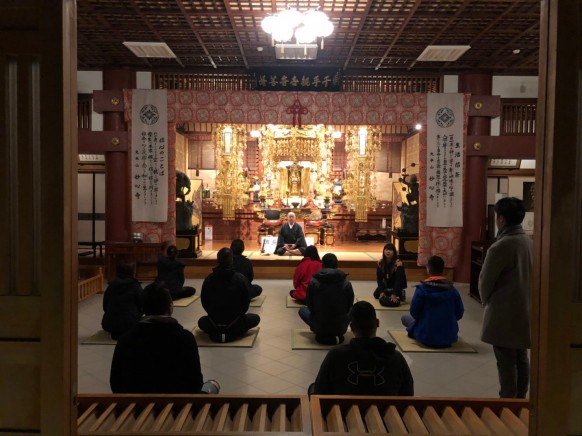
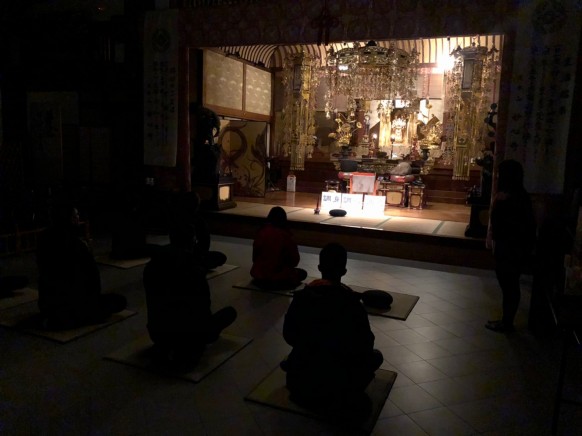
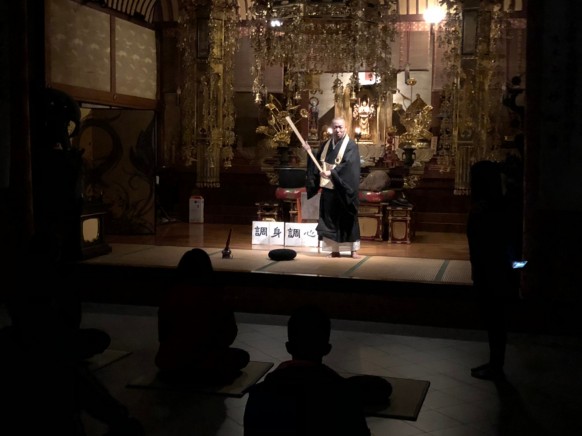
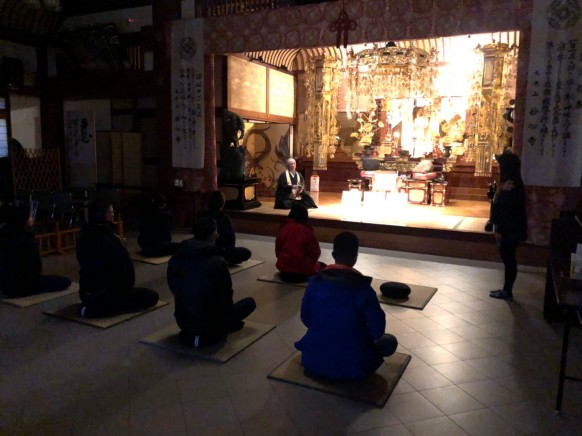
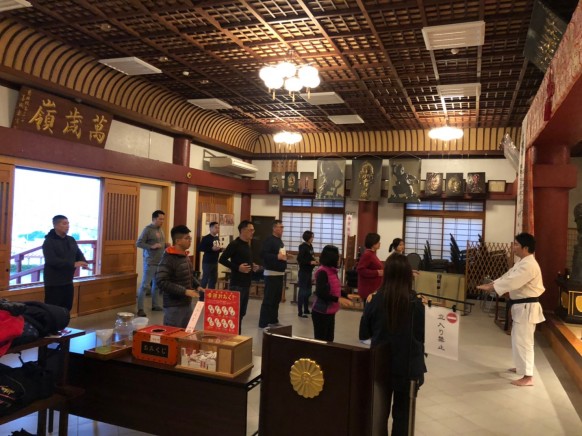
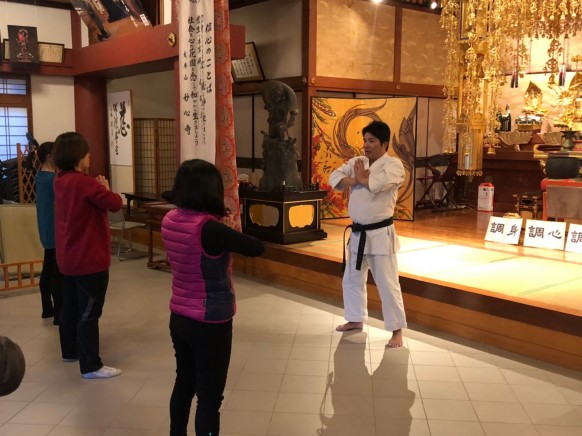
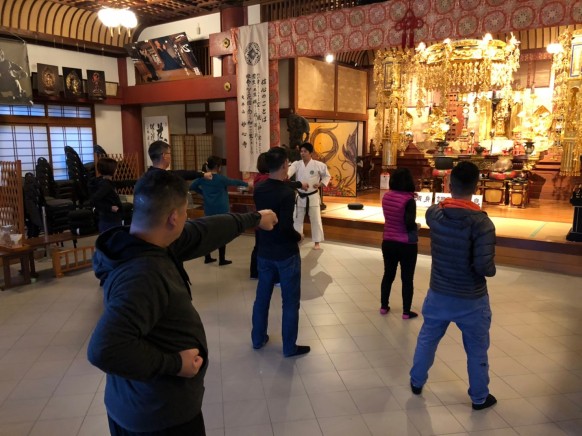
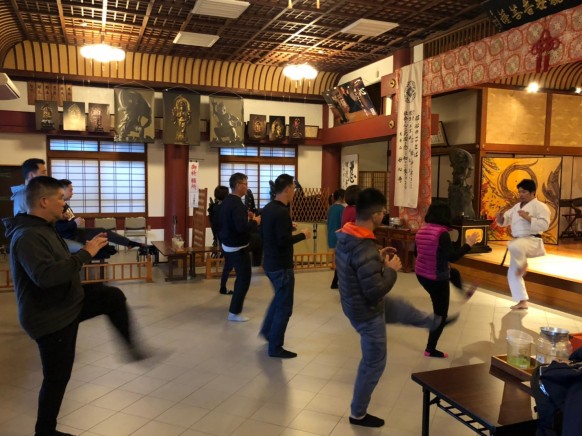
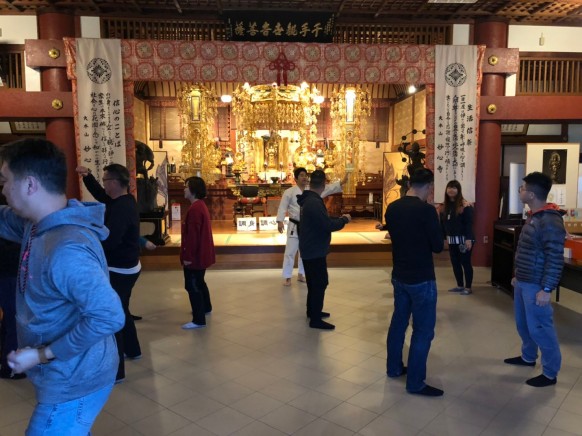
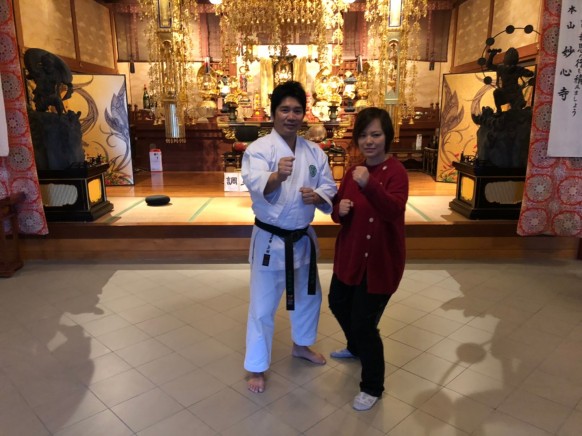
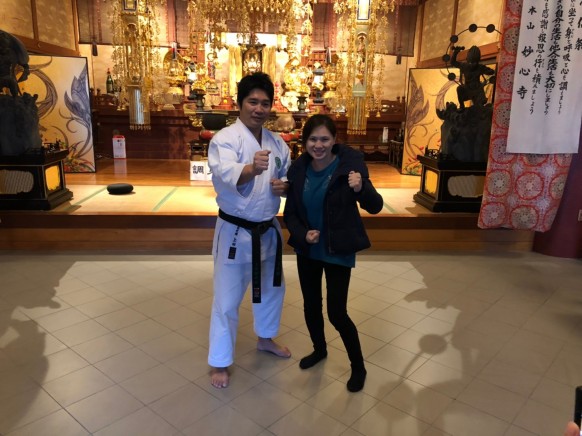
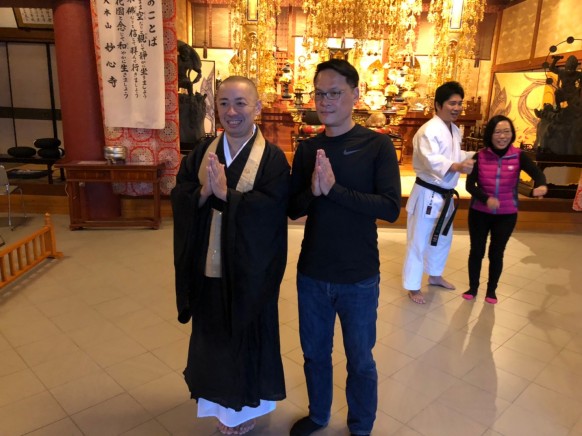
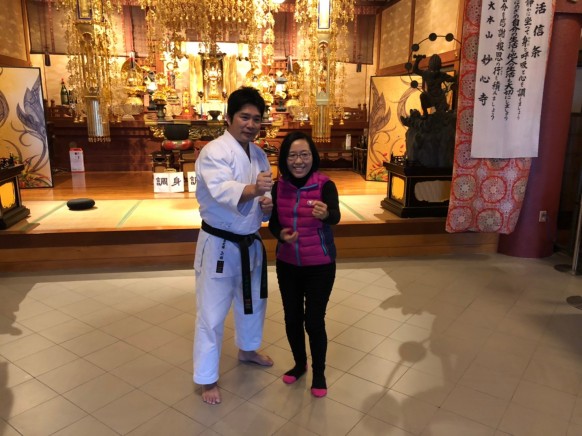
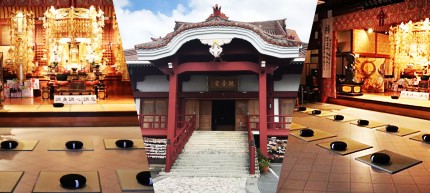
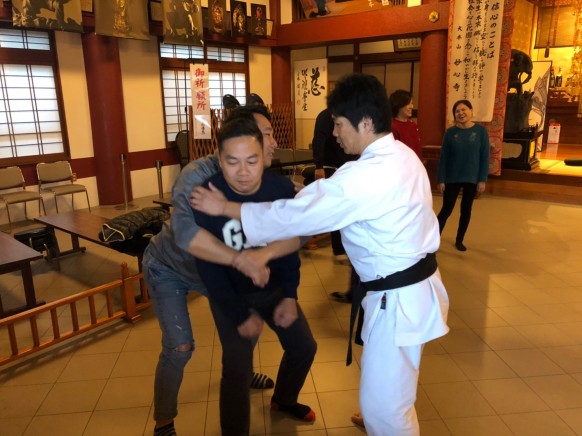
The Okinawa Tourism Convention Bureau (OCVB) introduced us to a group of 10 people from the Hong Kong Educational Trip FAM Tour, and today the group participated in our “Zen + Karate” program at the Shuri Kannondo Temple.
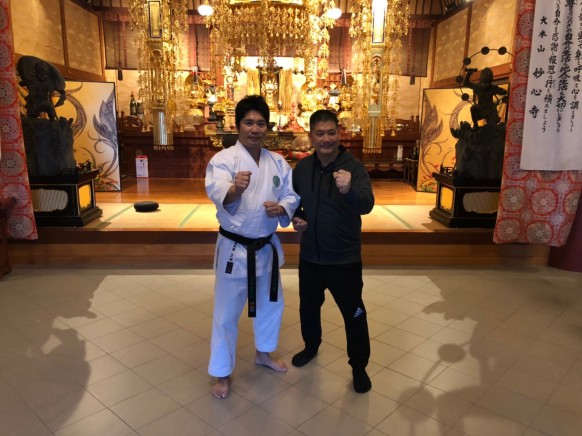
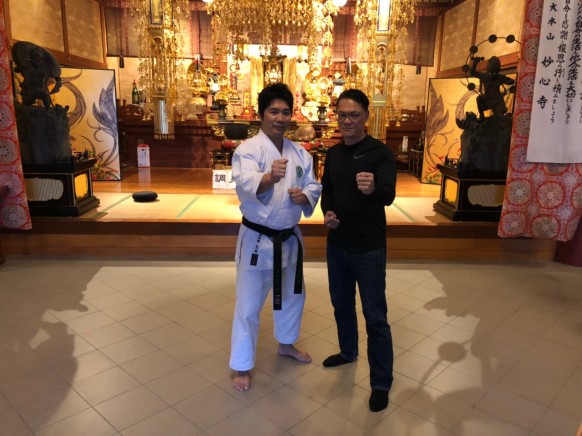
The program was restricted to an hour from 6:30am to 7:30am because of their flight schedule. After enjoying the Zen and Karate, the group then enjoyed taking many photos. They were able to have a unique cultural experience, an experience unlike any we have offered to other School Educational trips to Okinawa in the past. We will continue to offer karate experiences in various ways to everyone, Karate pratitioner or not, visiting Okinawa.

Place:Shuri Kannondo Temple


Part1: ZEN(Seated meditation)


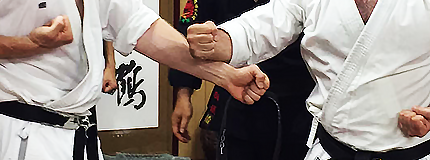
Part2:KARATE


PHOTO TIME


Information

We could arrange a tour based on your requests. Please click here for more information on our Zen program.